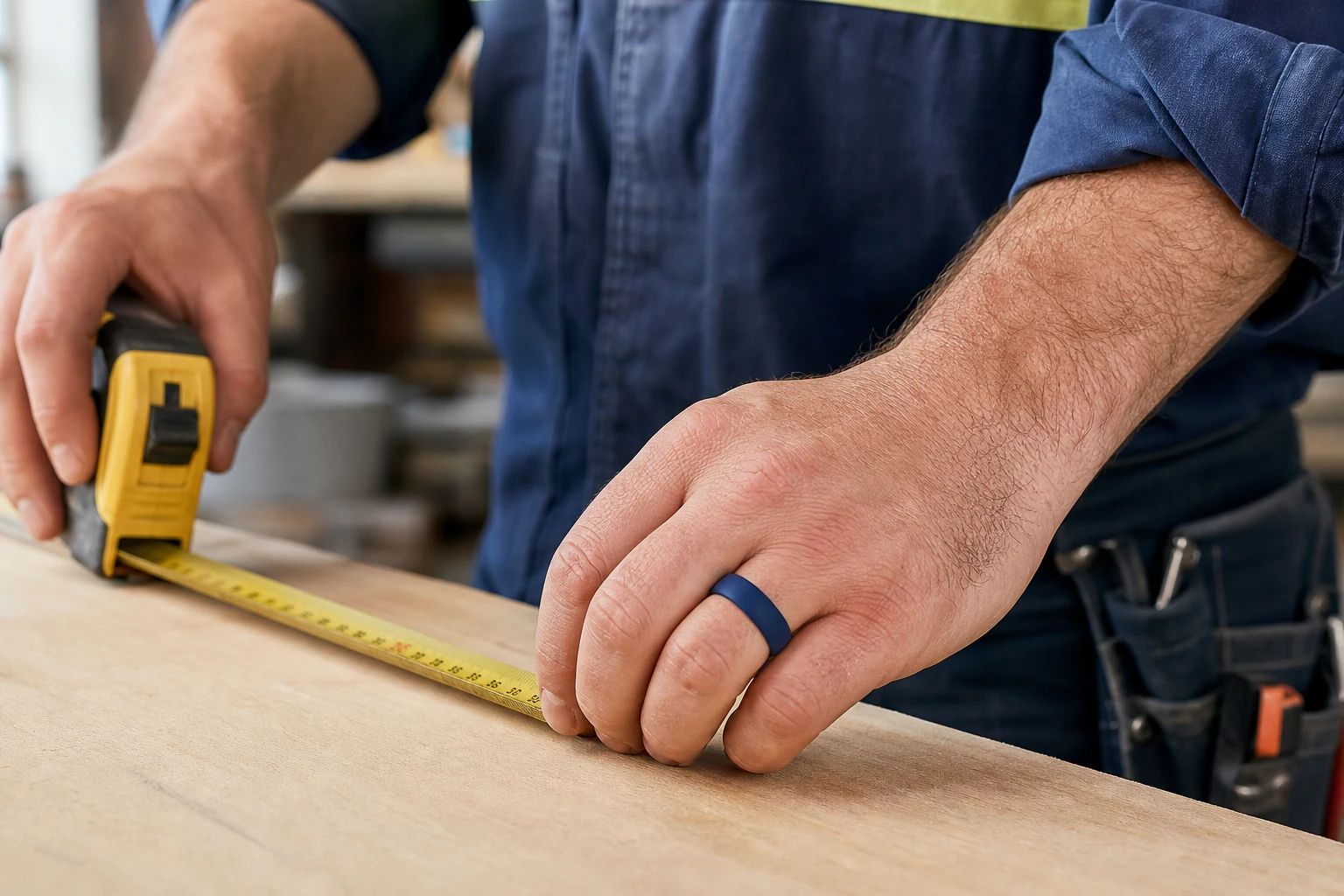
Silicone Rings for Surfers and Watersports: Ocean-Ready Grip and Safety
What Is a Surf Silicone Ring
Ask any surfer who’s had a ring ripped off in the lineup and they’ll tell you the same story: it happens fast, it happens quietly, and it’s usually a wedding band that’s to blame. A silicone ring for surfing is built to solve that specific problem. Instead of a solid metal band that can catch on a leash cord, a fin, a rope, or the edge of a boat and either slice your finger or degloves it (yes, that’s the real medical term, and it’s as bad as it sounds), a silicone ring is designed to stretch, tear, or break away under load before your finger takes the full force.
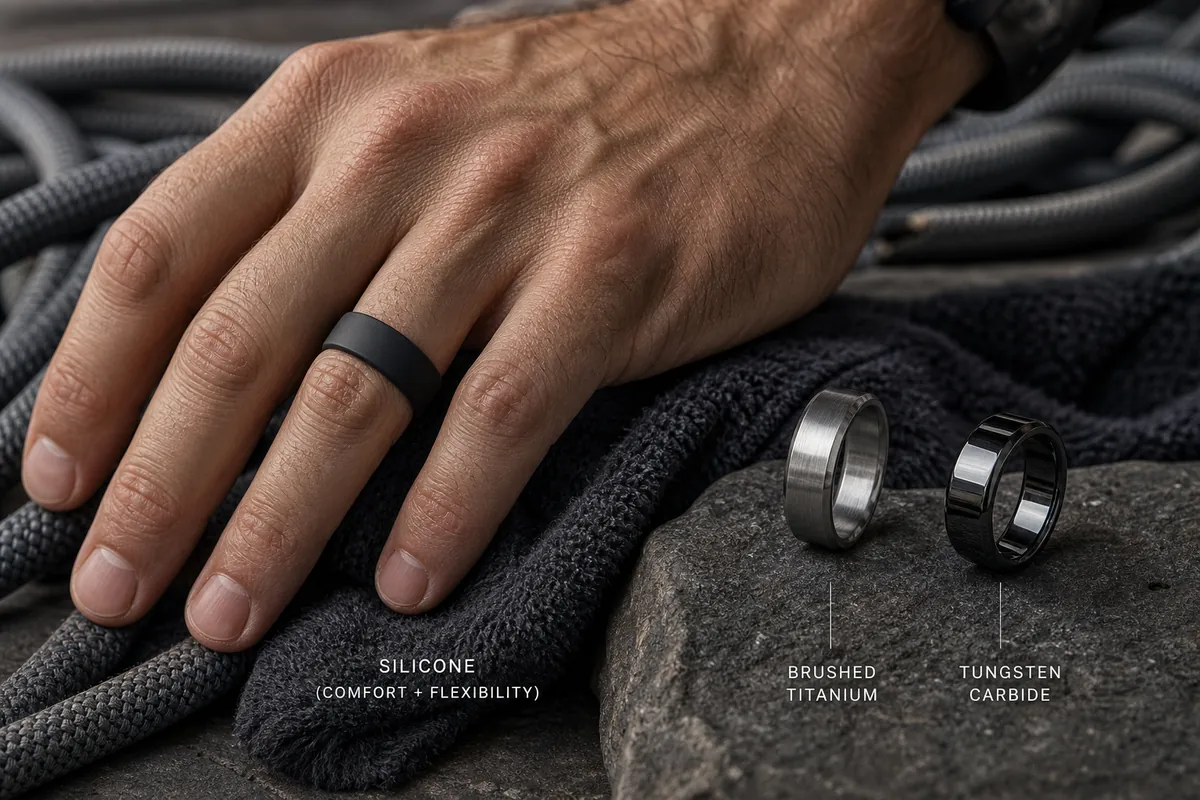
It’s not just about avoidance of disaster either. Metal rings tarnish in salt water, chlorine eats away at plating, and a tungsten or titanium band that felt fine on dry land turns into a cheese grater once sand gets under it. Silicone doesn’t care about any of that. It’s hydrophobic, it doesn’t corrode, and a decent one will outlast three or four surf seasons without cracking. If you’re after something for general everyday wear that also holds up in the surf, it’s worth browsing the full ring range before landing on silicone specifically, since some watersports crews mix a titanium ring for land days with a silicone one strictly for the water.
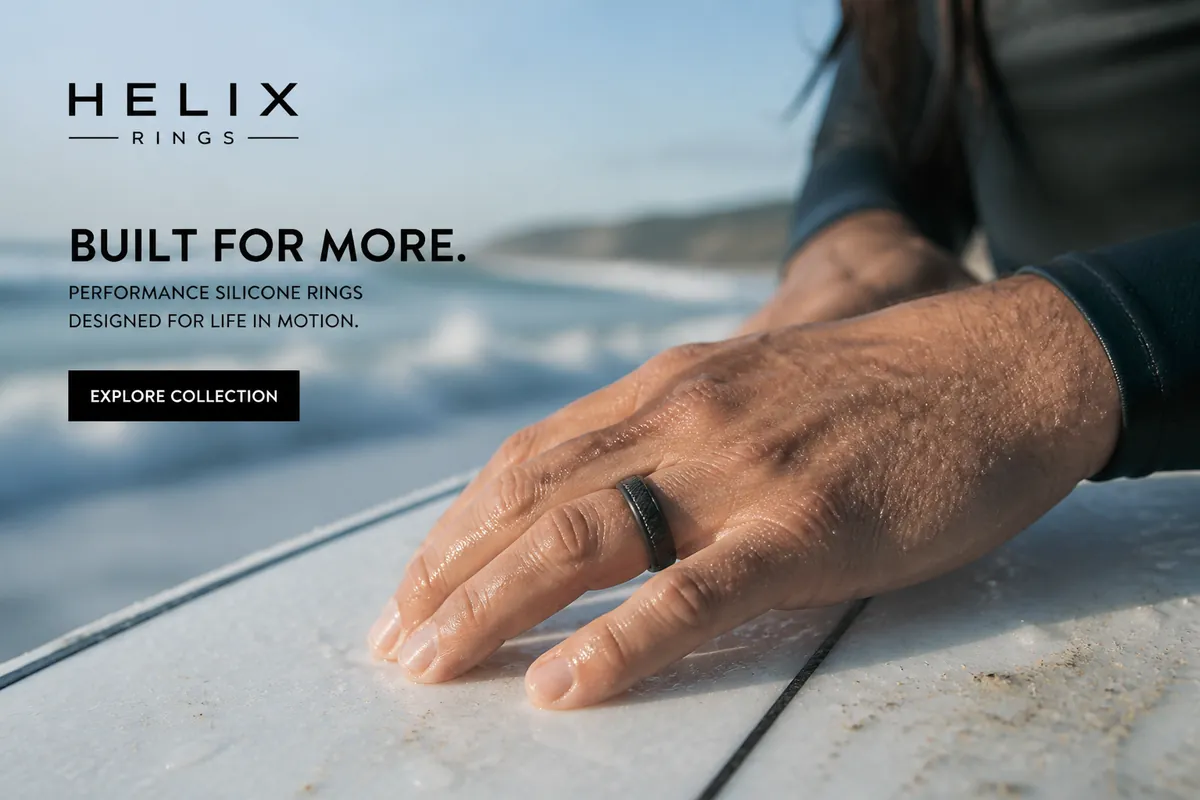
Choosing the Right Ring for Surfing
The single biggest mistake we see is people buying a silicone ring in the same size as their old metal one. Don’t do that. Silicone doesn’t have the rigidity of gold or platinum, so a ring cut to an identical circumference will feel loose within a session, especially once your hands are cold from a dawn patrol and your fingers shrink half a size. Go a touch snugger than your metal ring size, then check it doesn’t leave a red mark or pinch after twenty minutes of paddling.
Thickness matters more than people expect. A ring under 6mm wide tends to roll and twist on the finger when it’s wet, which is annoying but harmless. Anything over 8mm starts adding real drag when you’re paddling and can catch on a wetsuit cuff. Most surfers land somewhere around 6-8mm as the sweet spot between comfort and durability. If you’re shopping specifically for men’s silicone rings, you’ll notice most surf-oriented designs sit in that range already, which isn’t an accident.
Breakaway construction is the feature that actually matters for safety, and it’s the one most buyers skip past. A segmented or perforated ring is engineered to separate under a specific pull force, typically somewhere between 9 and 14kg depending on the brand, rather than staying intact and dragging on your finger. A solid, un-segmented silicone band is better than metal but it’s not the same category of safe. If a supplier can’t tell you the breakaway rating, that’s a red flag worth walking away from.
Top Styles and Options
Colour is mostly personal preference, but there’s a practical reason a lot of watersports crews go dark. Black silicone rings hide sunscreen residue, sand, and the general grime that builds up after a few sessions, and they don’t fade as visibly as lighter colours under constant UV exposure. If you’re surfing most days of the week, that’s not a small thing, because pale silicone can go slightly yellow after a full summer in direct sun.
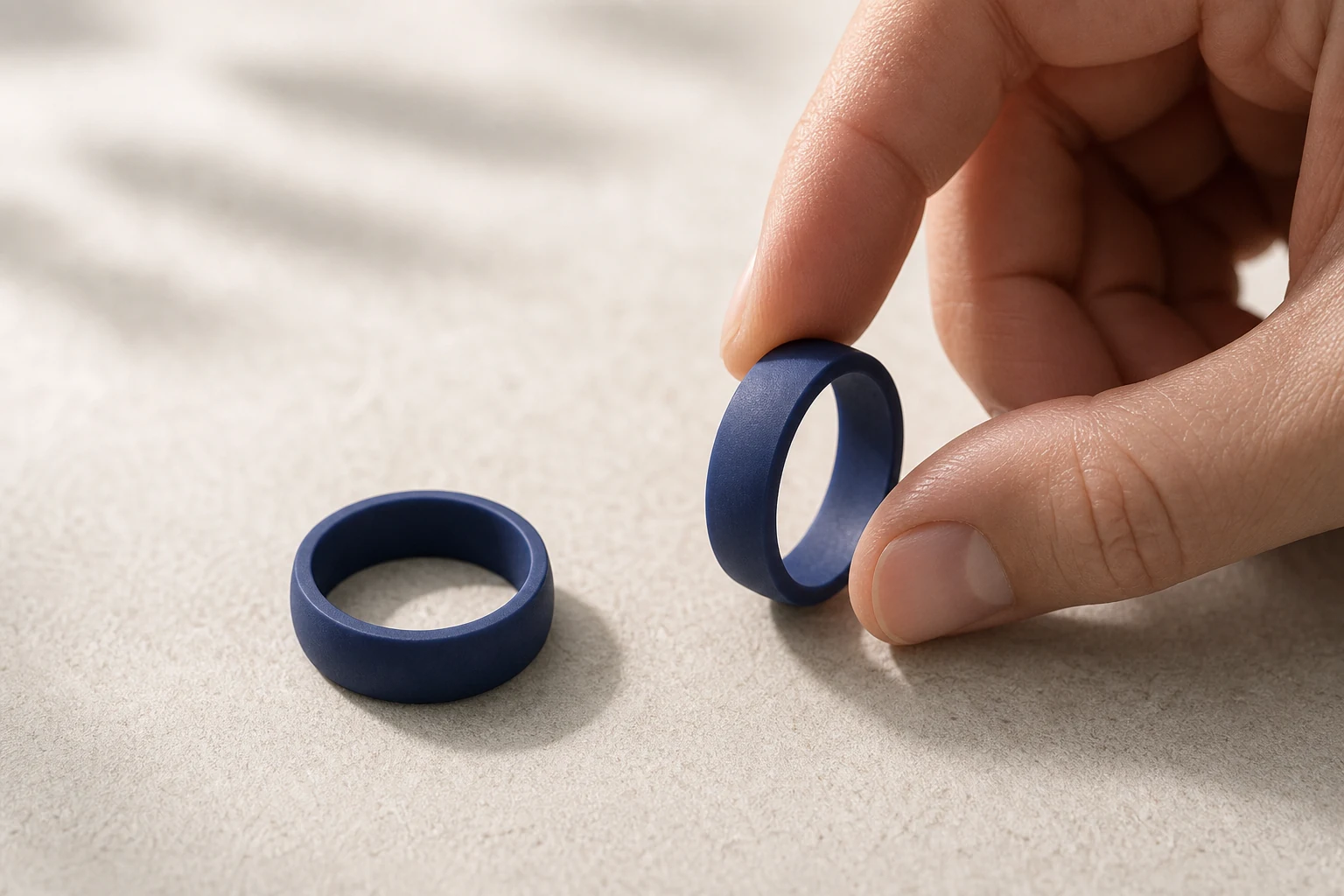
That said, a lot of people like being able to spot their ring quickly on a towel or in a wetsuit pocket, and blue silicone rings are a genuinely popular pick for exactly that reason: ocean-adjacent colour, easy to see against black neoprene or white sand. Some brands also run grey silicone rings, which split the difference nicely, staying visible without showing every scuff mark.
If you’re not sure which colour or width will actually work for your hand, this is where a multi-ring pack earns its keep. Buying a single ring and hoping it’s right is expensive trial and error. A pack lets you test two or three widths and colours across a few sessions and just keep the one that fits and performs best, then hand the rest off to mates or keep a spare in the car. The ring packs are built for that exact use case rather than trying to sell you five identical rings.
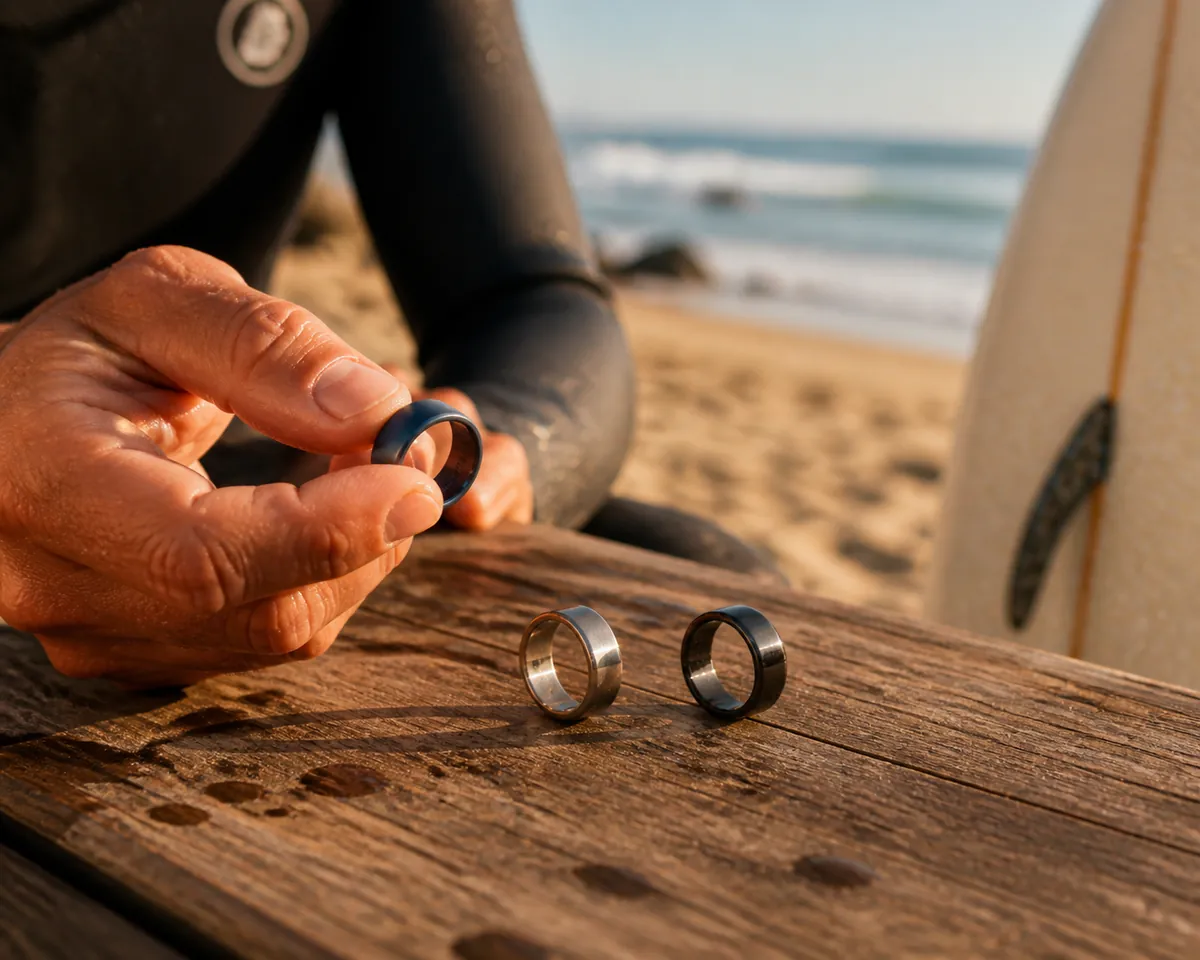
What to Consider Before Buying
Not all silicone is equal, and this is where a lot of cheap no-name rings fall apart, literally. Medical-grade or food-grade silicone (look for a reference to FDA compliance or a similar standard) is non-porous, which matters because a porous ring holds bacteria and salt residue against your skin for hours after a surf, and that’s a common cause of the itching and irritation people wrongly blame on “sensitive skin.” A properly manufactured ring should feel slightly matte, not tacky, and shouldn’t leave a chemical smell straight out of the packet.
Check the edges too. Cheap moulding leaves a visible seam line around the ring’s circumference, and that seam is usually the first place a low-quality ring splits after repeated stretching. Run a thumbnail around the inside; if you can catch on a raised edge, that ring is not going to hold up to daily paddling and duck-diving.
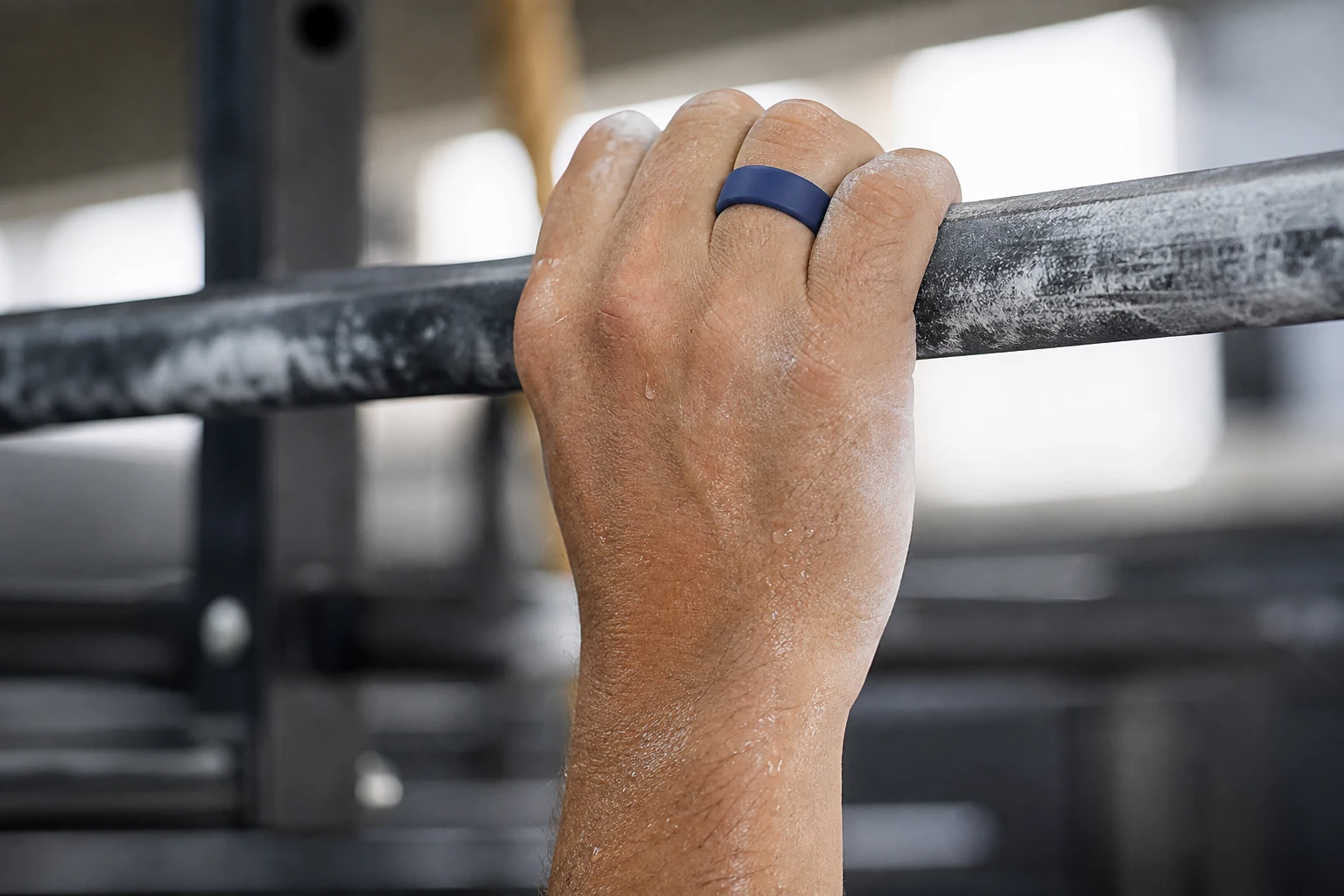
Think about where you’re actually wearing it too. If you’re mixing surfing with gym sessions or manual work on the same day, a ring rated for both use cases (rather than a beach-only novelty ring) will save you buying two separate rings. And if you eventually want something for non-water days that still looks considered rather than sporty, it’s worth a look at custom titanium rings as a land-based counterpart, since a lot of customers run one ring for the office and a dedicated silicone one strictly for the ocean.
Price-wise, expect to pay more for a genuinely tested breakaway ring than for a ring that’s just silicone-shaped. That’s not a scam, it’s the cost of the actual engineering and material grade. A $6 ring from a bargain bin has almost certainly not been pull-tested, and you won’t know it’s failed to break away until it doesn’t, at the worst possible moment.
Tips from the Experts
Surf coaches and lifeguard trainers who deal with hand injuries tend to repeat the same handful of points, and they’re worth taking seriously rather than treating as marketing copy.
First, rinse your ring in fresh water after every session, same as you would a wetsuit. Salt crystals that dry into the surface of silicone accelerate wear and can cause micro-abrasions against your skin over weeks of use.
Second, rotate rings if you’re surfing most days. Silicone recovers its shape better with rest between wears, similar to how a wetsuit lasts longer if it’s not being stretched and dried every single day back to back. This is another good argument for owning a small rotation rather than one ring worn constantly, which again is where a multi-ring pack pays for itself.
Third, and this one gets ignored constantly: replace your ring the moment you notice any tearing, thinning, or discolouration at a single point. That’s usually the spot that will fail first under real load, and a ring that’s already showing wear isn’t going to perform the way a breakaway ring is supposed to when it actually matters. If you want to browse a full catalogue built around exactly this kind of durability testing, the silicone ring range is the place to start comparing specs side by side rather than guessing from product photos alone.
Finally, don’t assume “waterproof” and “surf-safe” mean the same thing. A ring can survive being wet without being designed to release under pull force. Those are two completely different engineering claims, and only one of them actually protects your finger if you snag a leash mid-wipeout.
Frequently Asked Questions
What is the best silicone ring for surfing?
The best option is a medical-grade silicone ring with a tested breakaway rating, sitting somewhere between 6mm and 8mm wide. It should have no visible seam lines and a snug, not tight, fit that accounts for cold-water finger shrinkage during a session.
How do I know which surf ring is right for me?
Start with a size slightly snugger than your usual metal ring size, since silicone stretches under wear. Testing two or three widths from a multipack across a few real sessions is far more reliable than guessing from a size chart alone.
What should I look for when buying one?
Prioritise a breakaway design, food-grade or medical-grade silicone, and clean moulding with no raised seam on the inside edge. Avoid unbranded rings that don’t disclose their material grade.
Are there budget-friendly options available?
Yes, ring packs are the most cost-effective route since you get multiple widths and colours to test for a lower per-ring price than buying single rings repeatedly. Just check the pack still lists a proper safety rating rather than being priced low because it skipped testing altogether.