How to Stop a Silicone Ring from Stretching Out
What Is Silicone Ring Stretching Out and Why It Matters
When people say a silicone ring is stretching out, they usually mean it no longer feels snug, keeps slipping, or has lost the firm, comfortable fit it had when new. Silicone is designed to flex, which is exactly why it is so popular for active lifestyles, travel, work sites, and everyday wear. But flex is not the same thing as permanent recovery. If the ring is repeatedly pulled wide, exposed to heat, or worn in conditions that stress the material, the fit can gradually change.
That matters because ring fit is about more than comfort. A loose ring is easier to lose, and a ring that has become misshapen can feel distracting during workouts, lifting sessions, or hands-on work. For anyone who bought a ring through Helix Rings, the goal is simple: keep the ring feeling secure enough to forget about it, but soft enough to stay comfortable all day.
The other reason this topic matters is that silicone rings are often chosen as the practical alternative to metal. They are the ring you wear when you do not want to think about your ring. If it starts to stretch out, the whole point of the purchase is undermined. The good news is that most problems are preventable once you understand what causes them.
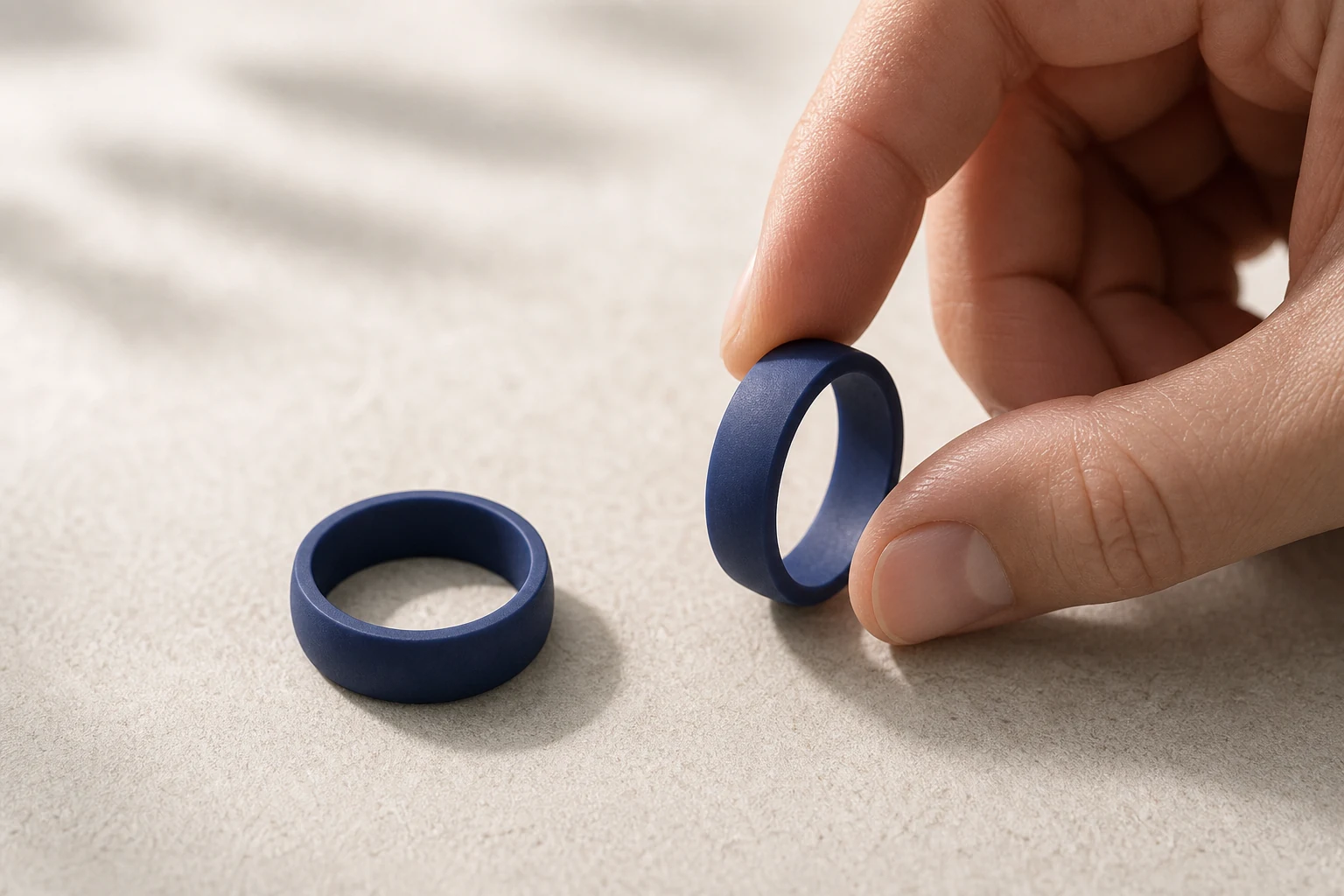
Silicone also behaves differently from hard materials like gold or titanium. It can tolerate movement and pressure, but it is still vulnerable to long-term stress. That means the ring you grab for the gym, the beach, or the warehouse floor should be treated as a performance item, not a forever object. For broader brand context, you can browse the Helix Rings collections or read more practical style guidance on the Helix Rings blog.
How to Choose the Right Silicone Ring
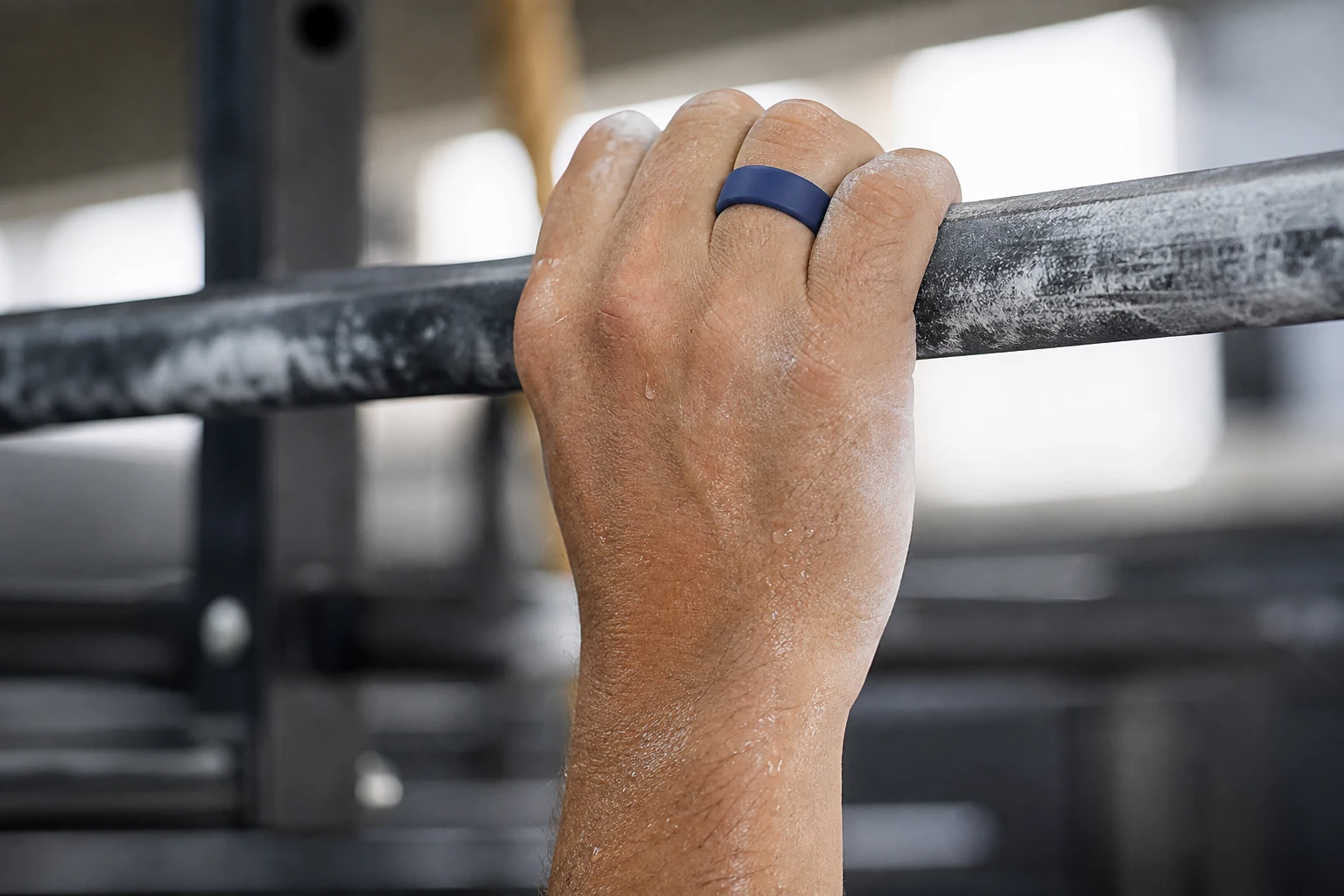
Choosing the right silicone ring starts with fit, but it does not end there. A ring that is technically the correct size can still feel wrong if the profile, thickness, or edge shape does not suit your hands. The best fit feels secure when you make a fist, wash your hands, or grip a barbell, yet still slides on and off without a struggle.
Start by checking your finger size at a time of day when your hands feel normal. Fingers can swell in heat, after exercise, or later in the day, so the most accurate measurement is usually one taken when you are calm and at room temperature. If you are between sizes, many buyers prefer the more secure option for a silicone ring, especially if the ring will be worn during movement. That extra bit of snugness helps reduce the chance of the ring feeling loose over time.
Next, think about the ring profile. A rounded inner edge often feels easier to wear for long stretches because it spreads pressure more evenly. A flatter style may feel more stable for some hands, especially if you prefer a cleaner, low-profile look. Thicker bands can feel more robust, but they may also trap more heat. Thinner bands can feel lighter, but they may not have the same presence if you want a ring that looks a little more substantial.
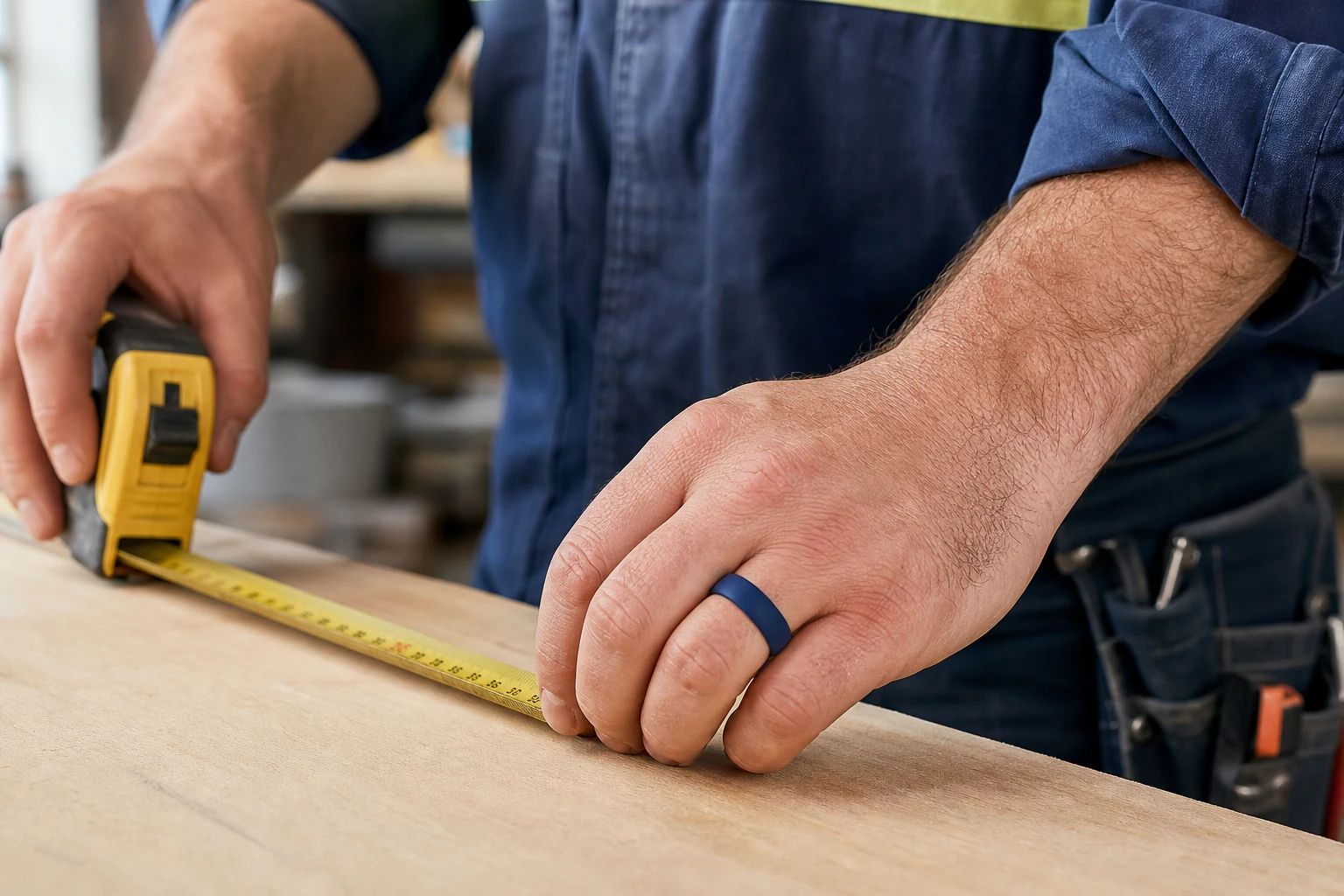
Finally, be honest about your routine. If you work with your hands, play sport, lift weights, or spend time in humid conditions, you need a ring that is stable under motion. That is why many people keep a silicone ring as a backup or active-use ring and reserve a formal style for quieter settings. If that is your use case, the About Helix Rings page gives a sense of the brand’s focus on active lifestyles and practical wear.
For a better comparison mindset, look at how major bridal and style publications talk about ring comfort, wearability, and long-term fit. The language is usually the same: a good ring should suit the wearer, not the other way around. That is why fit, profile, and purpose matter more than a single number on a sizing chart.
Top Styles and Options
There is no single best silicone ring style for every buyer, which is a relief, because real life is not one-size-fits-all. The right style depends on whether you want something barely there, something with more structure, or something that looks a bit more polished while still behaving like a practical ring.
One common option is the classic comfort-fit band. It is a sensible choice for people who want the ring to disappear once it is on. Another is the more structured band with a slightly firmer feel, which can be useful if you are worried about the ring loosening during repeated wear. Some people prefer a more fashion-forward finish that still stays understated enough for daily use. In all cases, the key is to choose a style that feels like a tool for your life, not a compromise you resent wearing.
If you are shopping for a ring to wear during training, work, or travel, simplicity usually wins. Excess texture can trap grime, and overly decorative designs can make cleaning harder. A cleaner silhouette is easier to rinse, dry, and inspect for changes in shape. That matters if you are trying to stop a silicone ring from stretching out because you will catch wear sooner and can retire the ring before it becomes frustrating.
For occasion wear, people often like a ring that feels a little more refined while still being low maintenance. That is where the balance between comfort and appearance becomes useful. You want the ring to look intentional with your outfit, but you do not want to baby it. If you need inspiration for the broader category, the collections page is the cleanest place to compare options side by side.
Style also affects perceived fit. A wider band can feel more secure because it covers more of the finger, while a narrower band can feel easier to forget about. Some people like the reassuring presence of a band that sits a little taller; others want the least possible resistance. There is no wrong answer as long as the style matches the way you actually use the ring.
What to Consider Before You Buy
Before you click buy, slow down and think through the practical details. The most common mistake is choosing a silicone ring for how it looks in a product image rather than how it behaves in real life. That can leave you with a ring that is perfectly attractive and slightly wrong for your day-to-day routine.
The first thing to consider is how often you will wear it. A ring worn occasionally has an easier life than a ring worn every day through workouts, work shifts, and weekends in the sun. If your ring is going to be in constant rotation, prioritize materials and construction that feel durable and easy to maintain. A ring that is easy to rinse and air dry is usually easier to keep in good shape than one that invites neglect.
Second, consider temperature and environment. Heat can soften silicone and make it feel looser for a while, while repeated exposure to harsh conditions can accelerate wear. If you move between air-conditioned spaces, outdoor activity, and hot weather, pay attention to how the ring behaves across the day. A ring that feels fine in the morning may feel different after a long session outdoors or after repeated handwashing.
Third, think about cleaning. Lotions, sunscreen, sweat, and cleaning products can build up on the ring and make the fit feel different. A ring that is hard to clean will not just look tired sooner; it can also feel less secure on the finger. Simple care makes a difference. Wash with mild soap, rinse thoroughly, and let the ring dry completely before you store it.
Fourth, check whether you need a backup ring. Many people buy one silicone ring for active use and a second for everyday spare wear. That gives the material time to rest and reduces the temptation to tug on the same ring all the time. It is a small habit, but it helps preserve shape. If you like to keep things minimal, start with one ring and add a second only when your routine proves you need it.
Finally, pay attention to return or exchange options. Even with a careful size choice, it can take a week or two to know if a ring truly suits your hands. A brand with a straightforward support path gives you room to make a practical decision instead of a rushed one. That is one reason customers often start on the Helix Rings home page before narrowing down the style they want.
For broader shopping context, the practical advice is consistent: prioritise comfort, practicality, and wearability when choosing accessories that are meant to be lived in, not just photographed.
Tips from the Experts
Experts who wear or recommend silicone rings tend to agree on a few basics. First, do not make the ring work harder than it needs to. If you are yanking it on and off ten times a day, you are stressing the material and inviting premature loosening. Put it on with care, remove it with care, and avoid unnecessary pulling at the edge of the band.
Second, rotate rings if you can. A second ring gives the first one time off, which is useful if you are wearing it in wet or hot conditions. Rotation is especially smart for anyone who wants to stop a silicone ring from stretching out because it reduces daily fatigue on the same piece.
Third, keep the ring away from oils and chemicals when possible. Hand creams, sanitizers, solvents, and some cleaning agents can leave residue or accelerate surface wear. If your work or hobby exposes the ring to those substances, rinse and dry it afterward rather than letting buildup sit for days.
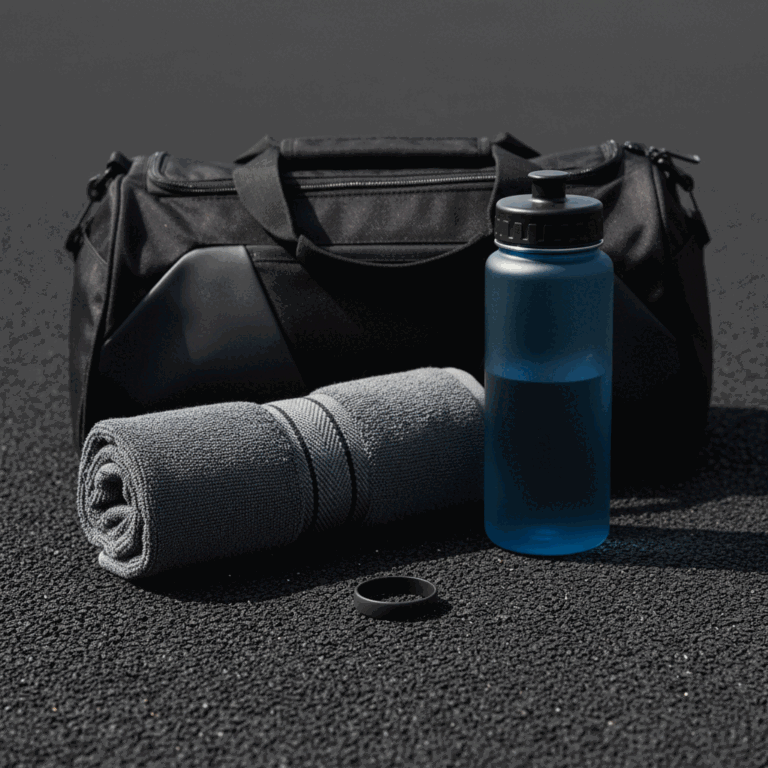
Fourth, store the ring flat and dry. It sounds almost too simple, but storage matters. A ring crushed under other gear or left in a hot car can come out feeling different. Give it a clean, dry place to rest so it is ready when you are. The same advice applies whether you keep the ring in a gym bag, a travel kit, or a bedside drawer.
Fifth, replace the ring when the fit changes, not after it becomes obviously ruined. Silicone rings are wear items. That is not a flaw; it is the trade-off for comfort and practicality. If a ring starts to feel loose, look visibly stretched, or loses the shape that made it work for you, it is time to retire it.
For readers who want a brand perspective, Helix Rings articles and product pages are best used together: the blog helps with care and decision-making, while the collections make comparison easy. That pairing is useful because good buying decisions are usually part education and part selection.
The simplest expert rule is this: treat your silicone ring like gear, not jewelry you forget about in a box. Gear gets inspected, cleaned, rotated, and replaced on schedule. That mindset does more to prevent stretching than any one trick or hack.
If you are comparing practical styles, it can help to step back and look at your wardrobe and routine. Do you need a ring that survives long shifts? One that travels well? One that can be worn with smart-casual outfits? Once you answer that, the right shape and finish become much clearer. Good shopping is often just good editing.
FAQ
What is the best silicone ring if yours keeps stretching out?
The best option is usually the one that fits your finger securely, matches your daily activity, and has a profile that feels comfortable for long wear. If your current ring keeps loosening, the better choice is often a new ring in the right size rather than trying to force a worn one back into shape.
How do I know which silicone ring size is right for me?
Start with your normal finger size, then think about when and where you will wear it. If you are active, between sizes, or often in warm conditions, a slightly more secure fit and a simpler band profile usually make the ring easier to live with.
What should I look for in a silicone ring that keeps its shape?
Look for reliable sizing, a comfortable inner profile, and a style that is easy to clean. You also want a ring that suits your routine, because frequent pulling, heat, and chemical exposure are what usually make a ring feel stretched over time.
Are there budget-friendly silicone rings that hold their shape?
Yes. Budget-friendly options can still work well if the sizing is accurate and the ring is used for the right purpose. The cheapest choice is not always the best value, though, so it is worth paying for a ring that keeps its shape and feels secure longer.