How to Choose the Right Silicone Ring Width
What a Width Guide Means
A silicone ring width guide is less about a hard rule and more about matching a band to real life. Width affects how the ring looks, how much it feels present on the finger, how it sits next to other jewellery, and how easy it is to wear from morning to night. The wrong width can feel bulky, too delicate, or simply out of sync with how you dress and move.
That is why the best starting point is not the trendiest number; it is the kind of wear you need. A ring for training sessions, warehouse work, weekend travel, or everyday wear will not always call for the same width. Helix Rings keeps the focus on wearability first, which is exactly how a good silicone ring should be chosen. If you are comparing styles, it also helps to browse the full Helix Rings collection range so you can see how width changes the overall look.
As a simple rule, narrower bands usually feel lighter and more understated, while wider bands feel more substantial and protective. Neither is automatically better. The point is to choose the band that makes sense for your hands, your work, and the way you want the ring to read visually.
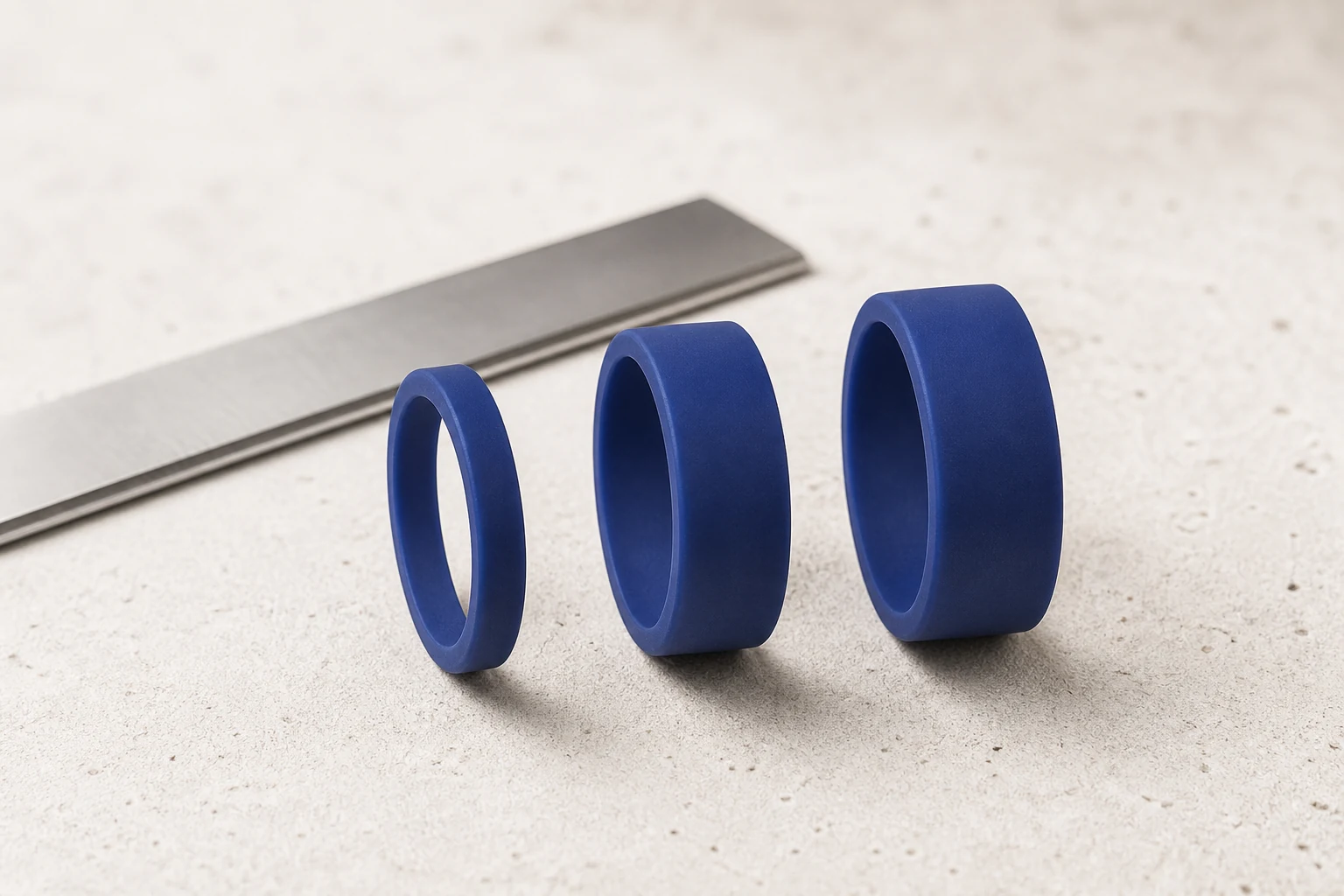
For readers who like to compare options before buying, the Helix Rings blog is a useful place to look for more product guidance and buying advice. The broader lesson is simple: width is not a small detail. It is one of the main factors that determines whether a ring becomes part of your routine or something you keep taking off.
How to Choose the Right Width
When you are choosing a silicone ring width, start with what the ring needs to do. If you want a barely-there feel, slim widths are usually the easiest to live with. If you want more coverage and a stronger visual profile, a wider band can feel more secure and more intentional. Most people end up happiest when the width matches their lifestyle rather than their first instinct.
A practical way to narrow it down is to think in three bands:
- 4mm to 5mm: slim, minimal, and easy to stack or pair with other jewellery. These widths often suit smaller hands, lighter aesthetics, or people who dislike the feeling of a broad band.
- 6mm to 7mm: the balanced middle ground. This is a common sweet spot for everyday wear because it gives enough presence without feeling oversized.
- 8mm to 10mm: broader, bolder, and more noticeable. Wider silicone rings can feel reassuring for active use and often suit those who prefer a stronger visual statement.
If you are buying a band as a wedding ring alternative, take a moment to compare width against the rest of your jewellery. A wider ring can look fantastic on broader hands or when worn alone, while a slimmer ring may sit better if you already wear a watch, bracelet, or stacked accessories. That is especially useful if you want a ring that feels connected to your style rather than fighting it.
Independent ring-sizing advice from sources like Brides and The Knot consistently points to comfort, fit, and day-to-day practicality over chasing a single perfect number. That same thinking applies to width: choose the band you can forget about while wearing it, not just the one that looks good in a photo.
For active lifestyles, wider widths often provide a little more confidence because they feel more anchored. For desk work, creative work, or lighter daily use, a slimmer width may be enough. The right answer usually becomes obvious once you decide whether you want the ring to disappear on your hand or stand out more clearly.
Top Styles and Options
Silicone ring widths are only part of the decision. The profile, finish, and edge shape all change how the width feels once the ring is on your finger. A medium width with a rounded profile can feel softer than a slimmer band with sharp edges, while a wider band with a flexible profile may still feel easy to wear.
Here are the most common style directions to think about:
- Classic flat bands: clean, simple, and easy to match with almost anything. Flat bands tend to look modern and straightforward, which suits people who want the ring to blend in.
- Rounded comfort styles: a little softer on the finger and often the easiest choice for all-day wear. This style is a strong option if you are not used to wearing jewellery.
- Bold wider bands: these are for people who want the ring to feel substantial. A wider width can be especially appealing if you want a stronger silhouette without adding metal or weight.
- Minimal narrow bands: these work well if you want flexibility, subtlety, or a ring that sits neatly beside another band.
One helpful way to judge style is to imagine the ring in three different situations: at the gym, at work, and at dinner. If the same width looks and feels right in all three, you are close. If it only works in one setting, you may want to adjust the width or profile.
It also helps to view the ring as part of a wardrobe, not just as a product. If you tend to dress simply, a wider band can add structure. If you prefer layered accessories and a lighter look, a slimmer width may be the better fit. If you are still undecided, compare a few options on the collections page and notice which width feels most natural at first glance.
For a more polished, brand-aligned look, the about Helix Rings page is a good reminder of the active, practical style this kind of ring is designed for. That matters because silicone rings should feel purposeful. They are there to keep up with life, not slow it down.
What to Consider Before You Buy
Before you choose a width, think about how and when you will wear the ring most often. The more honest you are about your routine, the better the final choice will be. Silicone rings are loved because they are flexible, comfortable, and low-fuss, but those benefits are strongest when the width matches the real-world use case.
Consider the following points before buying:
- Hand shape: broader hands often suit wider bands, while narrower fingers may feel more balanced in slimmer widths.
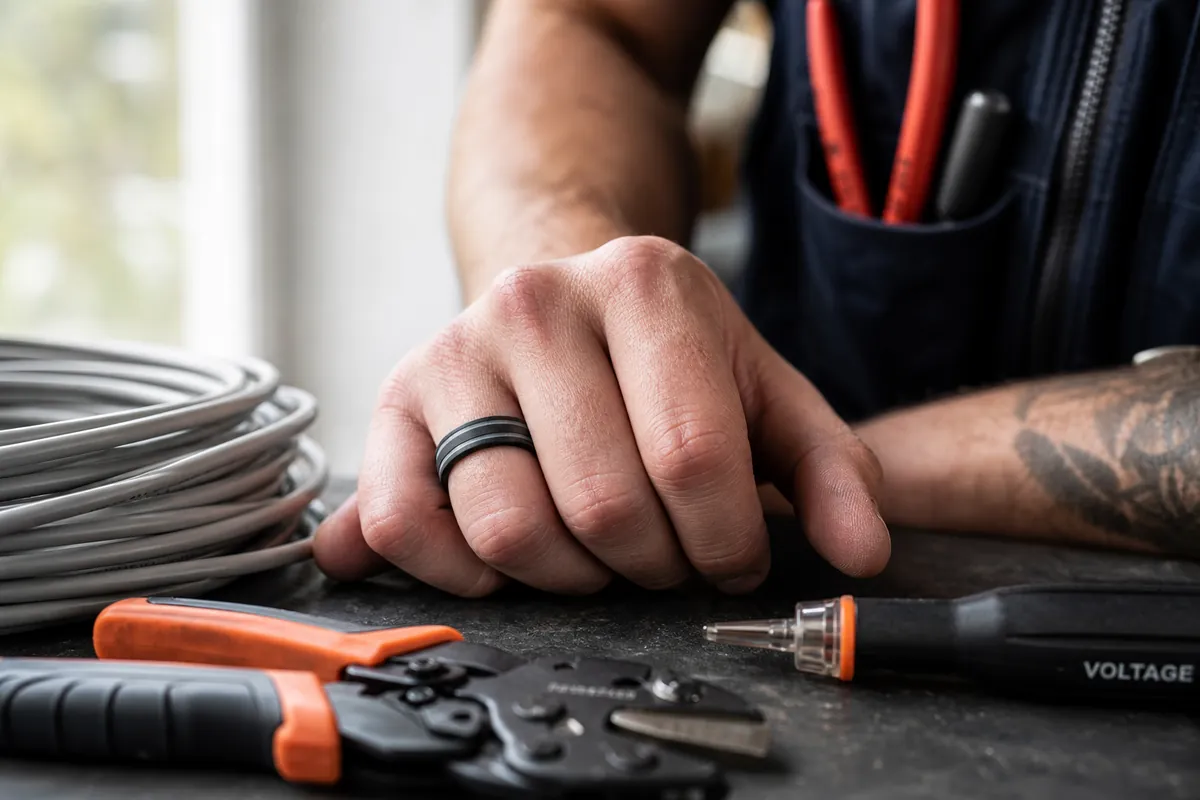
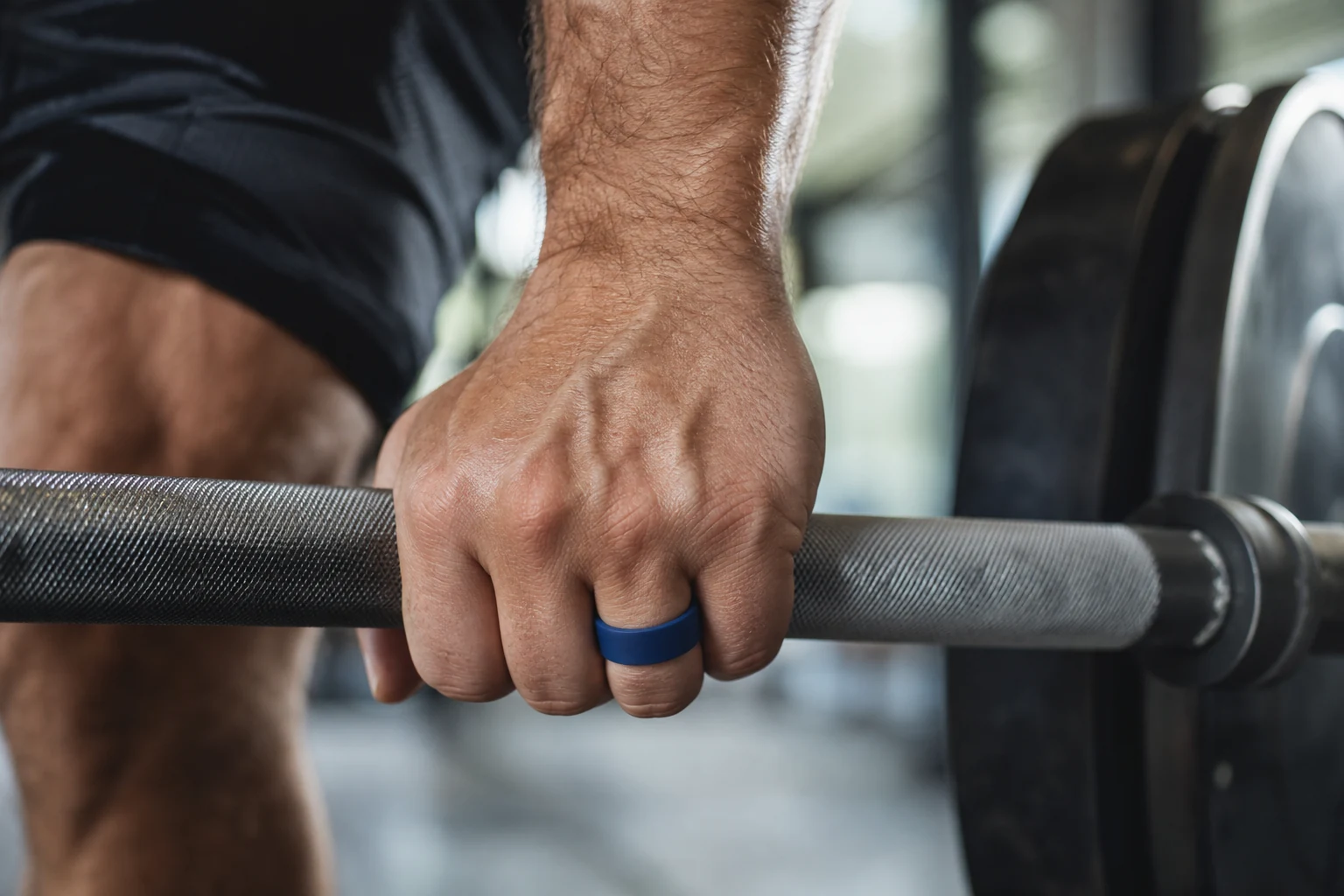
- Work and sport: if you work with tools, lift weights, climb, cycle, or use your hands all day, a width that stays comfortable under movement matters more than fashion alone.
- Other jewellery: if you wear a watch or stack rings, width should complement rather than compete.
- Comfort over time: a ring that feels fine for ten minutes may feel very different after a full day. Width is a key part of long-term comfort.
- Appearance in photos: if the ring is for a wedding or engagement alternative, decide whether you want a slim, discreet look or a bold band that reads clearly in pictures.
Another useful consideration is climate and activity level. Warm weather, sweaty workouts, and fast hand movement can make a ring feel different throughout the day. A width that leaves a little breathing room often feels better than one that looks perfect but disappears into discomfort by afternoon.
Fashion editors and bridal style guides from sources like Martha Stewart and Brides often emphasise the same thing: fit is about more than one measurement. The same principle applies here. Width, profile, and daily use all need to work together.
If you are buying for everyday wear, a middle width is usually the safest place to start. It is the most versatile option, and it tends to suit the widest range of hands and habits. If you already know you prefer a minimal feel, go narrower. If you want the ring to feel present and protective, go wider.
Tips from the Experts
Most ring experts will tell you the same thing in slightly different words: do not overcomplicate the decision, but do not rush it either. Width is one of the few choices that can change both the comfort and the look of the ring at once, so it is worth a little thought.
Here are the practical tips that matter most:
- Choose for your real life, not your ideal life. If you spend most days on the move, pick the width that feels easiest during your busiest hour, not just your best one.
- Start in the middle if you are unsure. A balanced width gives you the most flexibility and is usually the least likely to feel wrong.
- Use width to control the visual tone. Slim widths feel understated and refined; wider widths feel bolder and more athletic.
- Match the ring to the hand, not the trend. A width that suits your hand shape will almost always look better than a width chosen because it is popular.
- Keep comfort at the centre. A silicone ring should support your routine, not require constant adjustment.
If you are buying a ring as a gift, the safest approach is usually a classic middle width. It gives the recipient room to wear it in different settings without locking them into a style that may feel too narrow or too heavy. For a personal purchase, trust your own habits first. If you like things simple, go slim. If you want the ring to read as a clear part of your style, go broader.
One final expert-level tip: if you already own a ring you love, notice why it works. Is it the way it balances your hand, the way it disappears into your routine, or the way it completes your look? That answer is often a better guide than any size chart. And if you want to keep exploring options, the Helix Rings homepage and blog are the best places to continue the comparison.
Frequently Asked Questions
How do I choose the best silicone ring width?
The best silicone ring width guide is the one that helps you match width to how you actually wear the ring. For most people, a middle width is the most versatile starting point because it balances comfort, durability, and visual presence without feeling too slim or too bulky.
How do I know which silicone ring width is right for me?
Start with your daily routine, hand shape, and style preferences. If you want the ring to feel subtle, go narrower; if you want more presence and a stronger feel, go wider. If you are unsure, the middle range is usually the smartest place to begin.
What should I look for when choosing a silicone ring width?
Look for a width that suits your hand, your activity level, and the other jewellery you wear. Also pay attention to the ring profile, because a rounded edge can feel softer than a flat edge even when the width is the same.
Are there budget-friendly silicone rings in wider and slimmer widths?
Yes. Silicone rings are generally one of the most affordable ring categories, and width choices often do not change that much. The budget-friendly move is to choose a width that works first, then pick the style that gives you the best long-term comfort and value.