Can You Lift Weights in a Silicone Ring?
What Is a Lifting Weights Silicone Ring?
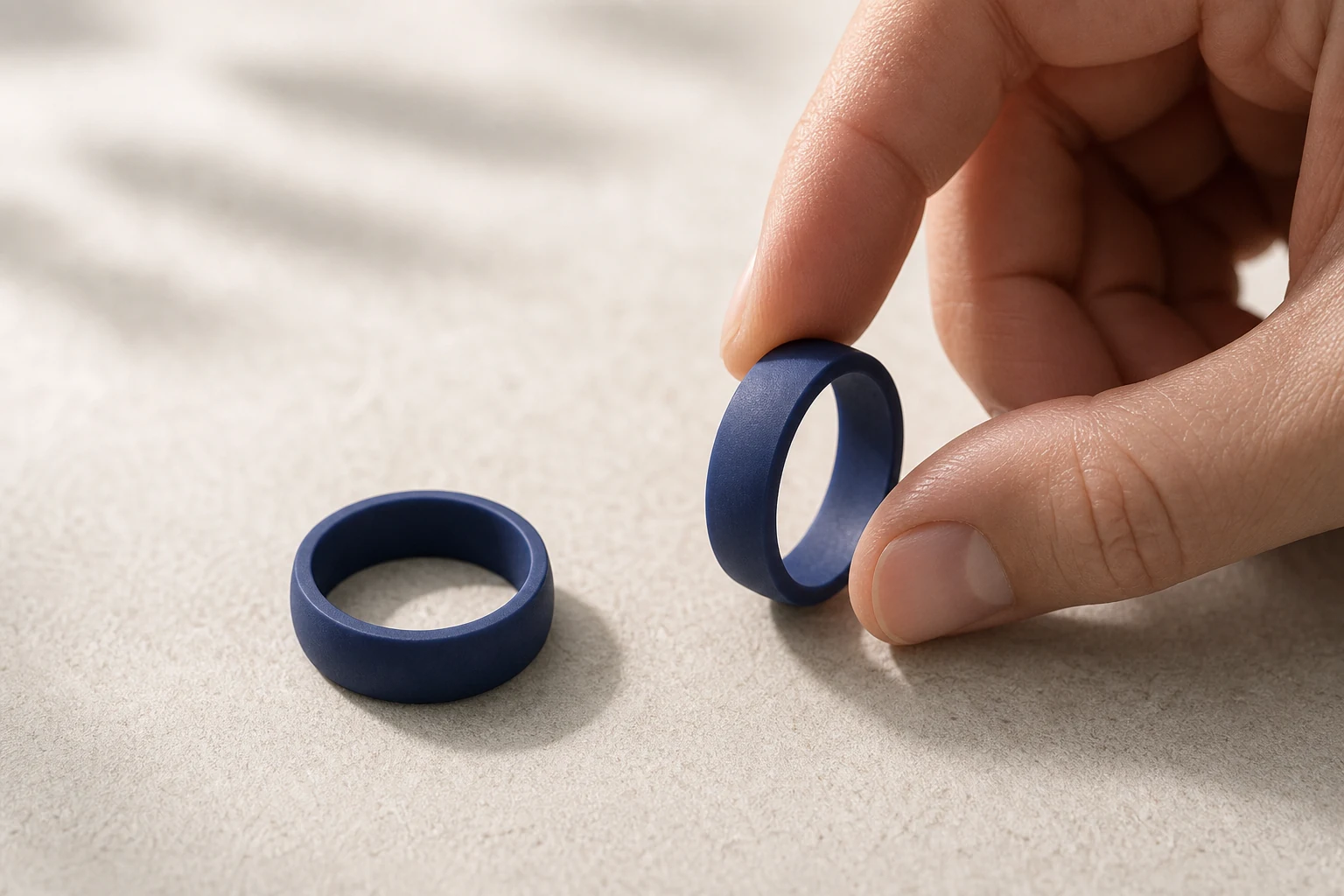
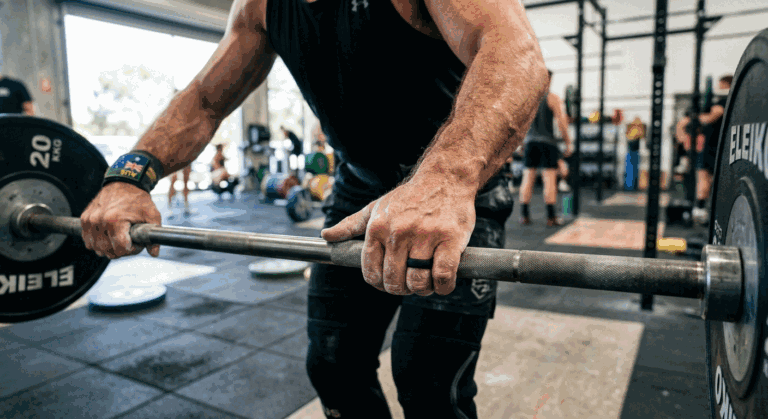
A lifting weights silicone ring is a flexible, low-profile ring designed for active use, especially when you want to keep a wedding band or everyday ring on without the risks that come with metal. For lifters, the main appeal is simple: silicone bends, stretches, and gives a little under pressure, so it feels more forgiving through heavy grips, chalk, and repeated bar contact.
That matters more than it sounds. Metal rings can pinch when your hands swell during a workout, can scratch equipment, and can make a good set feel distracting. A silicone option does not make lifting magically safer in every situation, but it gives you a much more practical everyday alternative. If you are comparing options across Helix collections, this is the category most people look at when they want one ring that can handle training and regular wear.
The real question is not just whether you can lift weights in a silicone ring. It is whether the ring fits your training style, your hand shape, and your comfort level. If you switch between the gym, work, and social plans in the same day, a silicone ring can be the easiest way to stay consistent without constantly taking jewellery on and off. You can also use the Helix homepage as a starting point if you want to compare the broader range before narrowing in on a training-friendly style.
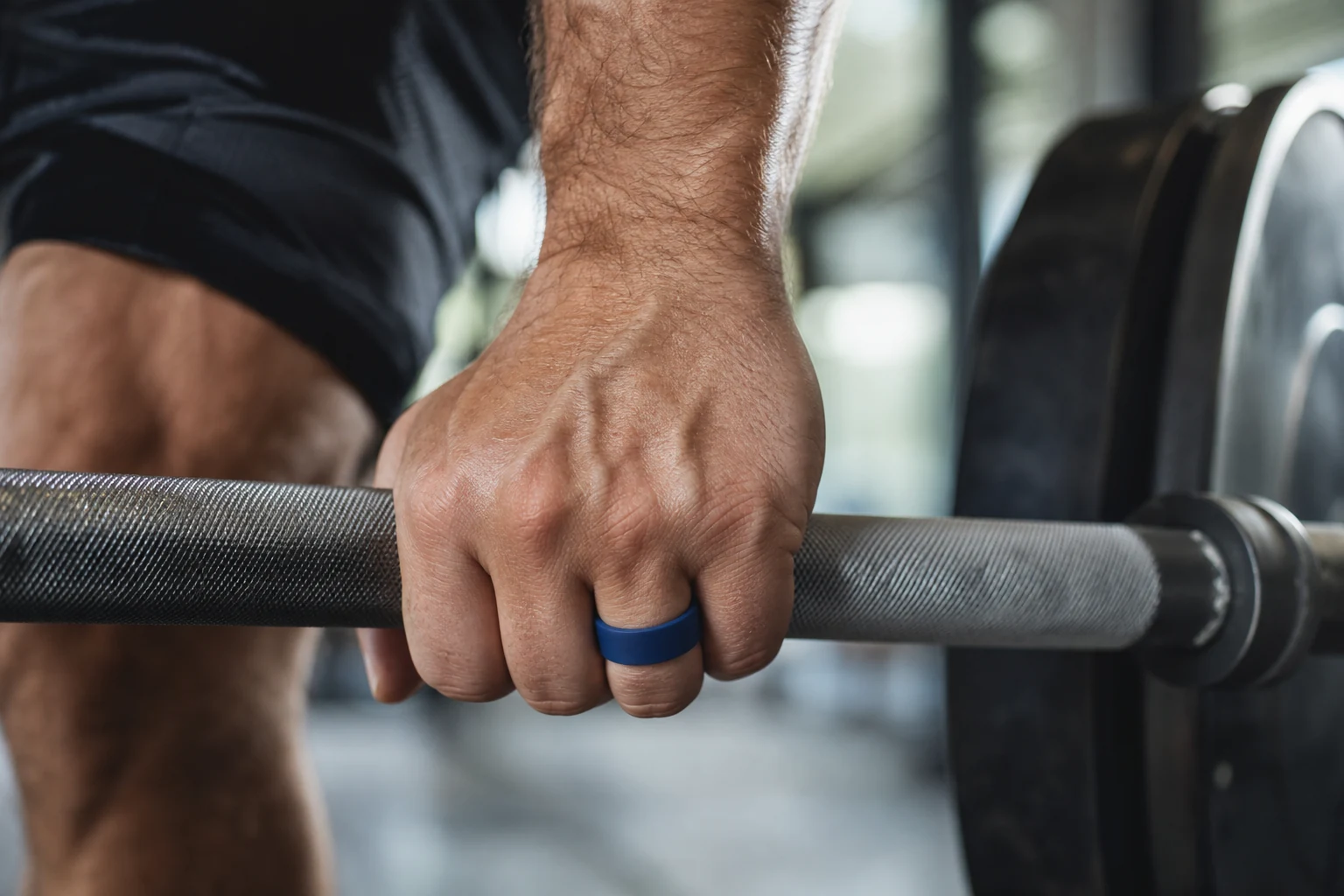
That flexibility also matters for comfort and pressure relief. A silicone band is usually the calmer choice for people who train hard and do not want jewellery digging in or catching on equipment.
How to Choose the Right Ring
Choosing the right lifting weights silicone ring starts with fit. A ring that is too loose can slide during lifts, feel annoying when you grip a dumbbell, and tempt you to fidget with it between sets. A ring that is too tight can trap heat, feel restrictive as your fingers swell, and end up being the very thing you were trying to avoid. The best fit is snug enough to stay put, but not so tight that removing it after training becomes a battle.
Next, think about profile. Some people prefer a slim band because it feels almost invisible under a barbell grip. Others want a slightly wider band for a more secure, substantial feel. There is no one right answer here, but the rule is consistent: the more you train, the more you will notice the difference between a ring that disappears and a ring that constantly reminds you it is there. If you are not sure where to start, the about Helix page is useful for understanding the brand’s overall approach to active-lifestyle jewellery.
Material quality matters too. Better options hold shape, resist tearing, and stay comfortable through sweat and chalk. The Helix blog is a useful place to check for style guidance if you want a ring that works across different parts of your day.
Finally, think about how you train. A powerlifter, a bodybuilder, and someone who mostly does mixed functional training may all want slightly different things. If your hands swell a lot, comfort and easy removal matter more than a perfectly sleek profile. If you are constantly chalking up and racking heavy bars, durability matters more than a decorative finish. Choose the ring around your training habit, not the other way around.
Top Styles and Options
When people look for a lifting weights silicone ring, they usually run into a few common styles. The first is the classic smooth band. It is simple, low-profile, and easy to wear all day. For most lifters, this is the safest first pick because it does not interfere much with grip and it looks clean enough for work or going out afterward.
The second style is the ventilated or grooved band. These rings often have channels or subtle shaping to improve airflow and reduce the “full glove” feeling that some people dislike. If your hands tend to get hot in the gym, this style can feel more breathable, especially in warmer months or during longer sessions.
The third option is a textured or patterned ring. Some people like a little visual detail because it makes the ring feel more personal and less like a purely functional accessory. The trade-off is that extra texture can sometimes make the ring feel slightly more noticeable under pressure, so it is worth testing mentally against your training style before you commit.
For many buyers, the real decision is between a ring that is gym-first and a ring that is all-day-first. Gym-first styles tend to be slightly more utilitarian and aggressively simple. All-day-first styles still perform well in the gym, but look polished enough to wear after training without feeling like equipment. If you want one ring to do both jobs, that is usually the sweet spot.
As a rule, avoid overcomplicating this choice. The best silicone ring for lifting weights is the one that disappears during a set, stays comfortable through sweaty hands, and still suits your everyday routine. Everything else is secondary.
What to Consider Before You Buy
Before you buy, start with measurement. Ring sizing can change depending on the time of day, temperature, and even how much you have been drinking or training. That matters because your hands are often slightly larger after a workout than they are at rest. If possible, size your ring when your hands are in a normal, relaxed state, and make sure you can slide it off without twisting or yanking.
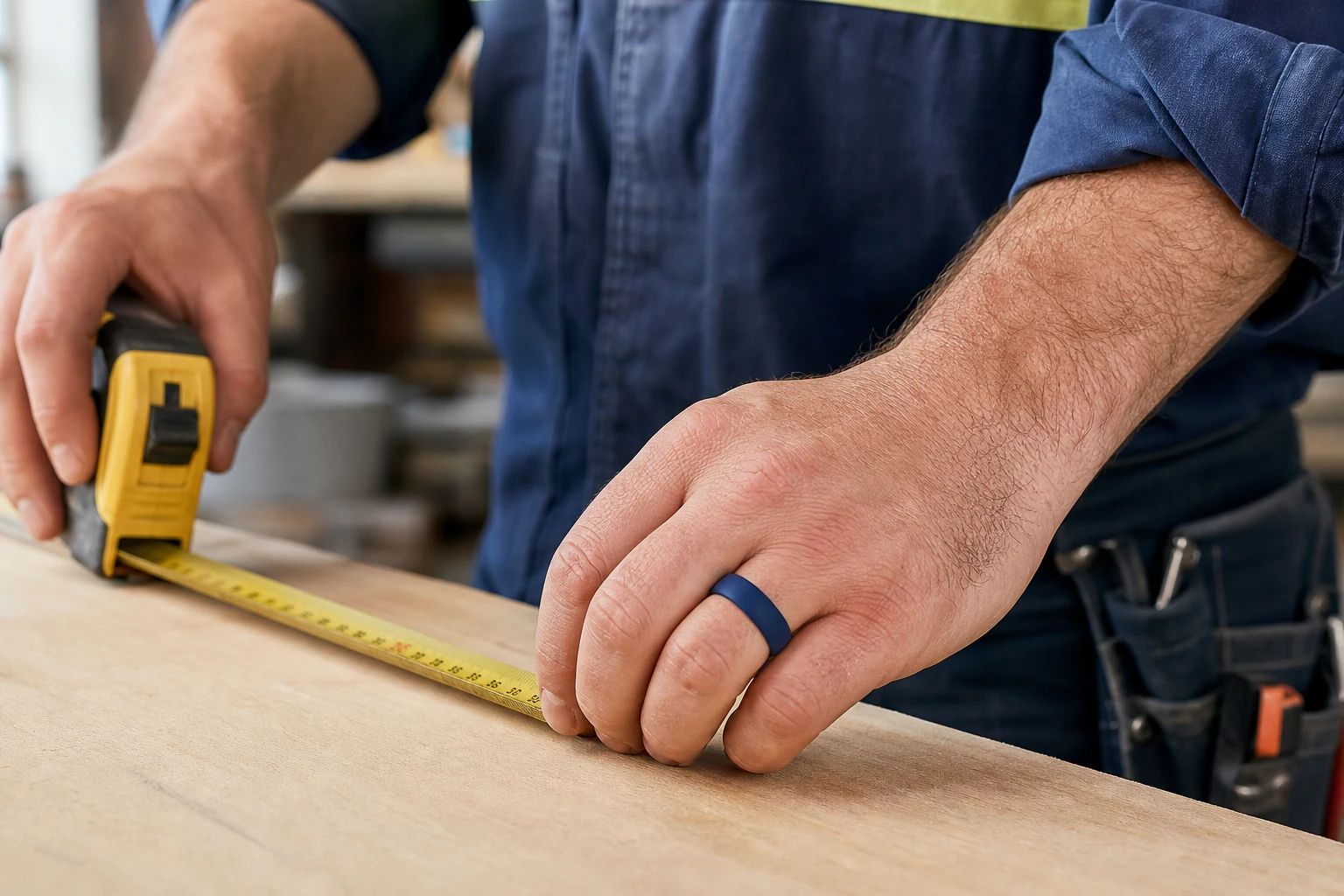
Then consider how often you will wear it in mixed settings. If the ring stays on from the gym to dinner, it needs to look good enough for both. If it is purely for training, comfort and durability take priority. That is why some buyers end up wanting a dedicated training ring while others want one ring that handles everything. Neither approach is wrong, but being honest about your routine helps you avoid the wrong purchase.
Budget is another factor, but it should be judged against replacement frequency. A cheaper ring can be great if you are trying the category for the first time. But if it degrades quickly, loses shape, or irritates your skin, the low price stops being a win. The smartest budget purchase is not the cheapest option. It is the one that gives you enough quality that you do not need to replace it every few months.
Also think about the rest of your gear. If you lift with straps, chalk, wrist wraps, or gloves, the ring should sit comfortably alongside those items rather than fighting them. A bulky accessory can become annoying when you are already trying to manage multiple points of contact on the same hand. That is another reason minimalist styles tend to work best for strength training.
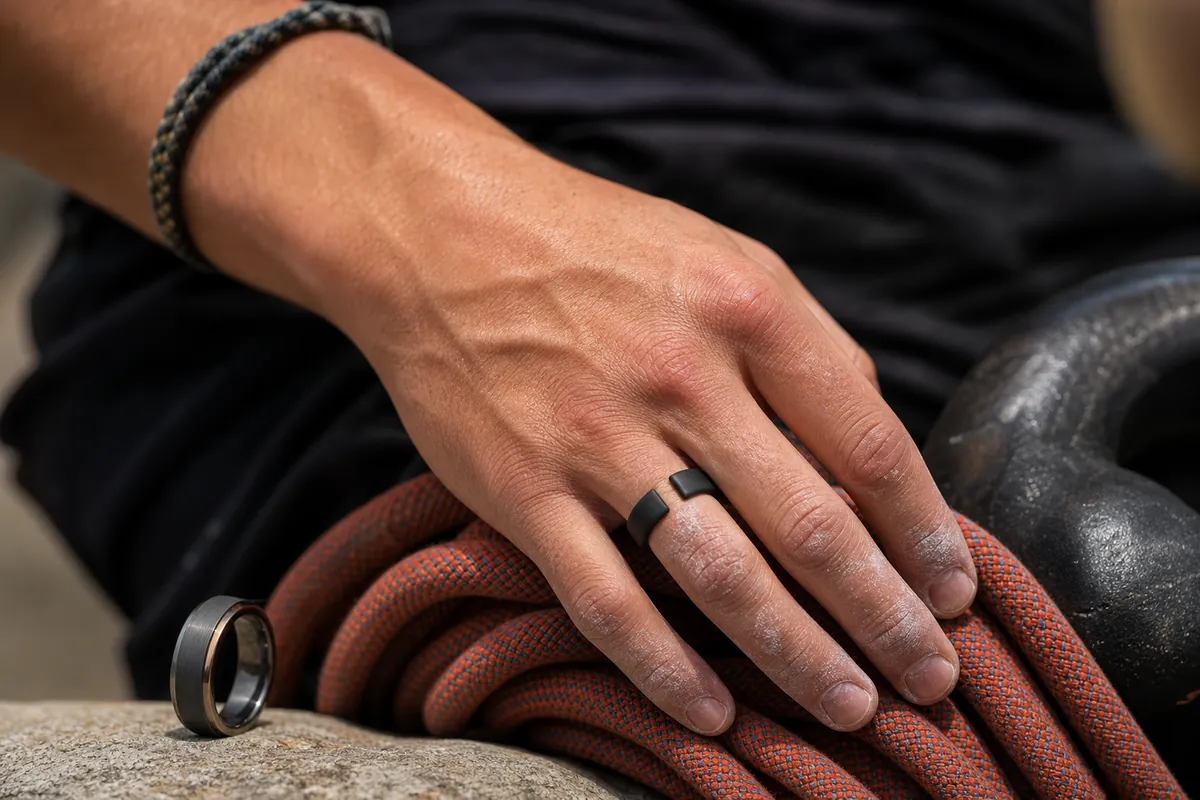
One more thing: safety is not only about the ring itself. Smart gym habits matter too. If a lift, machine, or sport leaves you with any chance of snagging jewellery, be willing to remove the ring for that session. Silicone is a better choice than metal, but it is still a wearable object, and the best habit is to treat it as part of your training setup rather than a magical shield.
Tips from the Experts
Experts in hand health and strength training usually agree on the same basic idea: keep things simple, keep fit comfortable, and do not ignore pressure on the finger. If a ring starts to feel tight midway through the day, that is your cue to remove it rather than toughing it out. The goal is to make training easier, not to create a new annoyance.
A practical tip is to test the ring before you need it under load. Wear it through a normal workday, then take it to the gym for a lighter session. Pay attention to how it feels when you grip a bar, hold a dumbbell, and rest between sets. By the end of that session, you will know more than any product description can tell you. If the ring distracts you, it is not the right ring for you, even if it looks perfect online.
Strength coaches favour equipment that removes friction. A lifting weights silicone ring works best when it disappears during a set. For a quick comparison of the range, loop back to the Helix collections or the Helix homepage.
If you want the shortest expert answer possible, it is this: choose a silicone ring that fits well, feels smooth, and can survive repeat wear without becoming noticeable. That combination is what makes it work for lifting.
Frequently Asked Questions
What is the best silicone ring for lifting weights?
The best silicone ring for lifting weights is the one that feels secure without pinching, stays comfortable through sweat, and does not distract you during a set. For most people, that means a smooth, flexible band with a profile that is simple enough for everyday wear.
How do I know which silicone ring is right for weight training?
Start with fit, then think about how you train. If you lift often and your hands swell, comfort and easy removal matter most. If you want one ring for the gym and daily wear, choose a style that looks clean enough outside training too.
What should I look for when buying a silicone ring for lifting?
Look for a stable fit, good material quality, a smooth interior, and a shape that does not get in the way of gripping weights. It also helps to choose a ring that matches your lifestyle so you are not constantly swapping jewellery before and after the gym.
Are there budget-friendly silicone rings for lifting weights?
Yes, there are budget-friendly options, and they can be a smart way to try the category before spending more. Just make sure the lower price is not hiding poor fit, rough edges, or weak durability, because a ring that wears out quickly is not really a bargain.