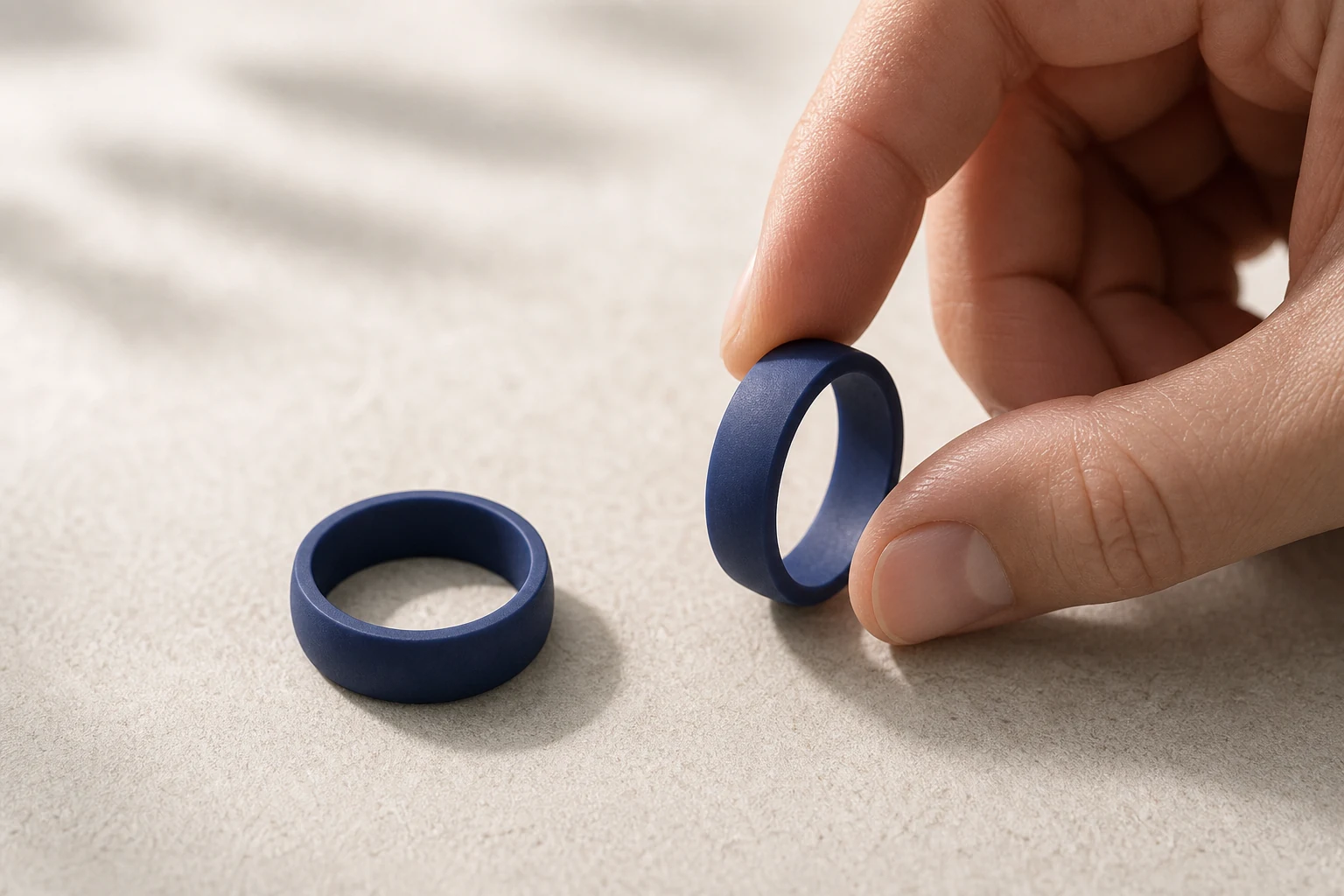
How to Clean Chalk and Sweat Off a Silicone Ring
What Chalk and Sweat Do
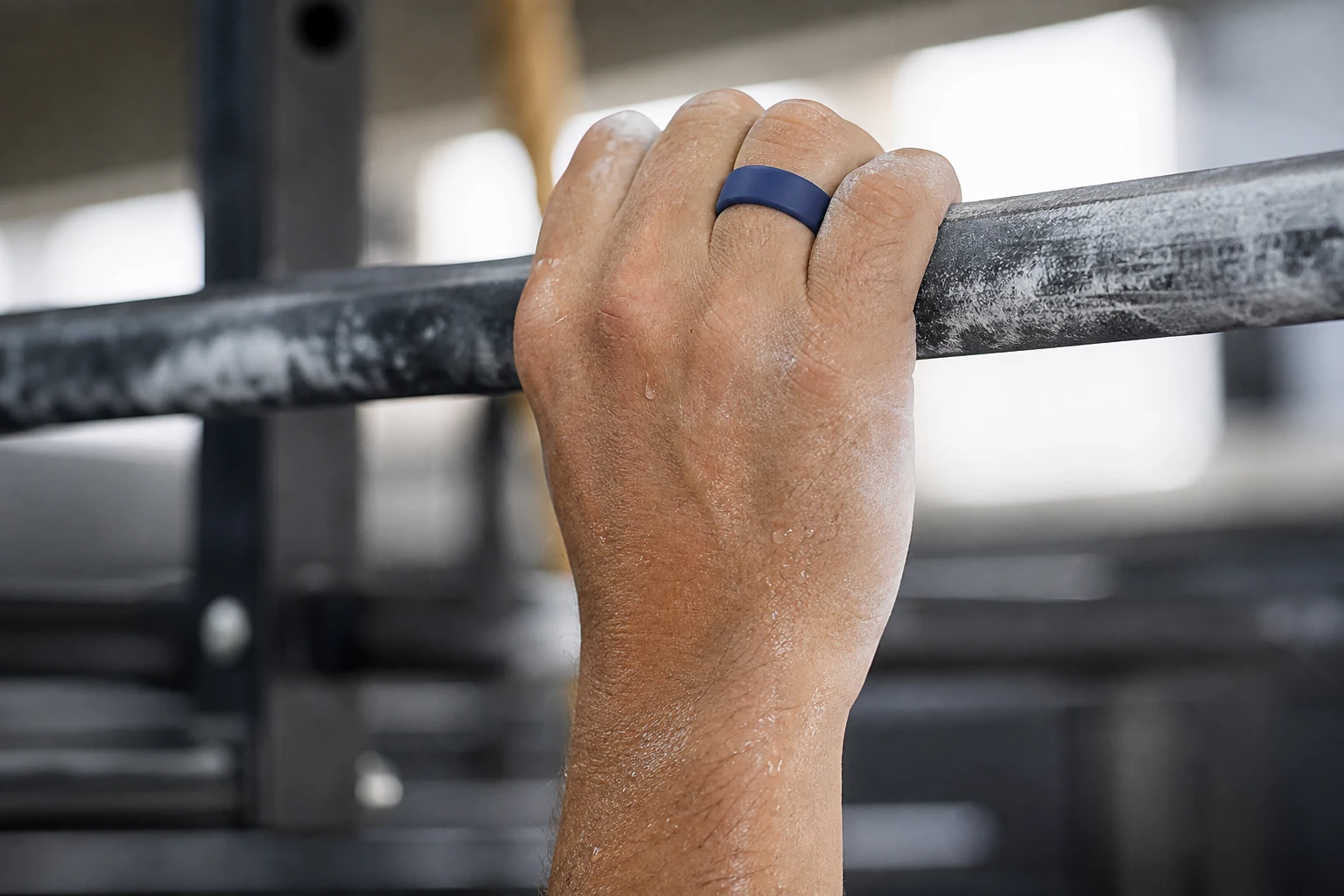
Silicone rings are popular for a reason: they are comfortable, flexible, durable, and easy to live with. But if you wear one while lifting, climbing, boxing, gardening, or doing anything that leaves your hands dusty and damp, the surface can pick up a mix of chalk, sweat, body oils, and fine debris. That combination does not usually damage the ring, but it can make it look dull, feel tacky, and smell less fresh than it should.
The good news is that this is mostly a maintenance problem, not a product problem. A silicone ring from Helix Rings is designed for an active routine, which means it should be easy to clean and quick to wear again. The trick is to treat cleanup as part of the routine, not something you leave until the ring starts looking grimy.
Chalk tends to settle into the ring’s tiny surface texture, especially around inner edges and any raised design details. Sweat leaves salts and oils behind, and those can trap dust from your gym bag, car, desk, or training gear. Over time, a ring can go from clean to cloudy even if it still looks structurally fine. That is why the best way to keep a silicone ring in good shape is to wash it regularly and dry it completely.
For broader product browsing while you decide what style works for your day-to-day routine, it helps to look through the Helix collections and the latest Helix blog posts. The cleaner and simpler the ring design, the easier it usually is to keep it looking sharp after hard use.
One thing worth saying plainly: don’t use the same cleaning logic you would for metal jewellery. Silicone is forgiving, but it still benefits from a softer approach. Harsh solvents, abrasive pads, and aggressive scrubbing can wear down the surface faster than necessary. If you want your ring to stay comfortable and presentable, gentleness wins.
For shoppers who want to understand the brand better before buying, the about page is useful. It gives you a sense of the quality and design standards behind the ring you are putting through regular training, commuting, and daily wear.
How to Clean It Well
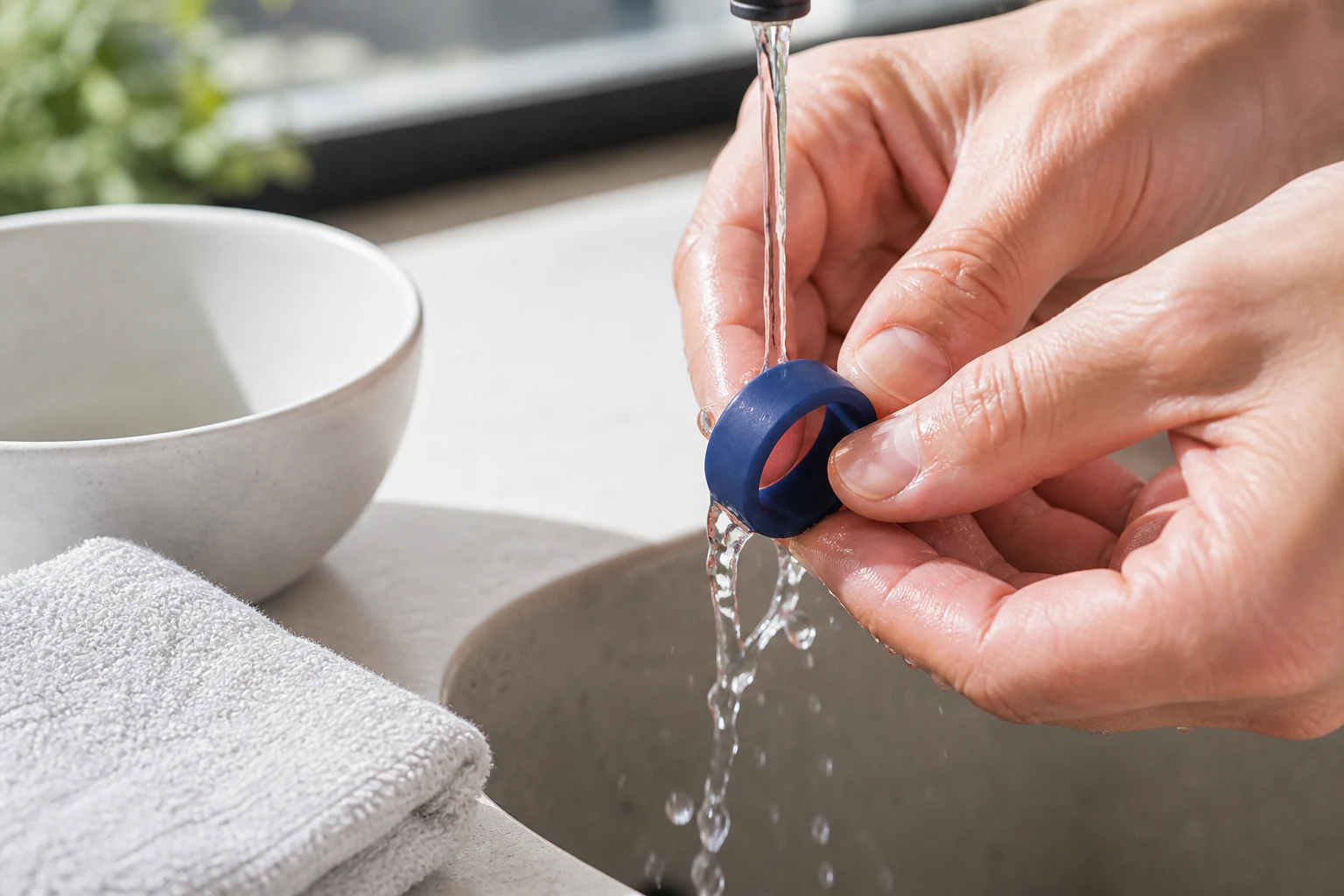
When chalk and sweat build up, the best cleaning method is also the simplest. Start with lukewarm water to loosen the residue. Add a small amount of mild hand soap or dish soap, then rub the ring gently between your fingers. If the ring has texture or inner grooves, use a soft toothbrush to lift out the trapped dust. Rinse thoroughly and dry with a lint-free cloth.
If the residue is stubborn, soak the ring for a few minutes before washing. That gives salts and powder more time to loosen. What you should not do is attack it with bleach, acetone, or anything that smells like a hardware store cleanup kit. Silicone can tolerate a lot, but there is no reason to test its patience.
The right cleaning method also depends on how you use the ring. A ring worn mainly for office hours may only need a quick wash once or twice a week. A ring used for chalk-heavy climbing, sweaty gym sessions, or outdoor work may need a rinse after every wear. The more intense the activity, the shorter the cleaning cycle should be.
If you are comparing activewear-friendly ring options, look for a style that is smooth on the inside, easy to grip, and simple to rinse clean. That is especially helpful if you regularly switch between training, errands, and work. For a quick starting point, the Helix home page makes it easy to jump into the range and see what fits your routine.
There is also a practical comfort angle here. A clean ring feels different. Sweat residue can make the band feel sticky or slightly rough against the skin. Once you wash it properly, it feels more breathable and less distracting. For a ring you wear all day, that matters more than people expect.
Most silicone ring owners also make one mistake at this stage: they clean the outside and forget the inside. That inner surface is where sweat usually lives longest, and it is also where chalk dust can cling if you take the ring on and off between sessions. Turn the band over in your hands, wash both sides, and make sure the full loop gets attention.
If you want more guidance on fit and care, check the general Helix blog for related practical advice. A small amount of care after each workout is easier than trying to rescue a ring that has been ignored for months.
Top Styles and Options
Not all silicone rings behave the same way when chalk and sweat are involved. Some have a very smooth profile and clean quickly. Others have subtle grooves, matte textures, or design features that trap a little more residue. None of that is a deal-breaker, but it should influence what you choose if easy cleaning is a priority.
For active users, the best option is usually a ring that balances comfort with simplicity. A streamlined band is easier to rinse, faster to dry, and less likely to hold onto chalk in decorative recesses. If you need a ring for everyday wear as well as sport, that flexibility matters.
Here are the practical style factors to look at:
- Surface finish: Smoother finishes generally release chalk and sweat more easily.
- Thickness: A slimmer band can dry faster, while a thicker band may feel more substantial on the hand.
- Interior comfort: A comfortable inner profile helps when the ring is worn for long sessions.
- Colour choice: Darker colours can hide minor residue between washes, while lighter colours may show buildup sooner.
- Flexibility: A ring that is easy to remove and rewear is more likely to get cleaned properly.
If your lifestyle includes lifting, rock climbing, warehouse work, riding, or regular outdoor training, think about how often you will actually remove and clean the ring. A style that invites easy maintenance is worth more than one that looks fancy but becomes annoying after the third sweaty wear of the week.
That is why browsing the collections page can be useful. You are not just choosing a colour; you are choosing how the ring will behave across your week. The best silicone ring is the one you will actually keep clean.
For readers who like to compare style context before buying, it can also help to look at broader jewellery and style content from trusted editorial sources. The point is not to overcomplicate the purchase. The point is to understand how a ring fits into real life, especially when sports chalk and sweat are part of that life.

Another useful way to think about style is maintenance frequency. If you know you will clean the ring every day, you can choose more by look and comfort. If you know you will only remember after a few sessions, choose the most forgiving design you can get. Realistic habits beat ideal habits every time.
And if you are buying for a partner, athlete, or friend, think about how they use their hands. Someone who chalks up daily needs a different ring profile than someone who only wants an alternative to metal for occasional workouts. The ring should fit the rhythm of the wearer, not just the occasion.
What to Consider Before You Buy
Before you buy a silicone ring for chalk-heavy or sweat-heavy use, ask yourself three questions: How often will I wear it? How dirty will it get? And how much cleaning am I realistically willing to do? Those answers point you toward the right combination of comfort, finish, and colour.
First, think about sizing. A ring that fits correctly is easier to clean because it stays put and comes off cleanly when you need to wash it. If the size is too tight, sweat can build up underneath more quickly. If it is too loose, it may twist around and pick up more dirt from repeated adjusting.
Second, consider your environment. Chalk from climbing gyms behaves differently from gym sweat, and both behave differently from worksite grime. If your ring sees a lot of chalk, rinse it sooner. If it sees mostly sweat, a soap wash after the day’s wear is usually enough. If it sees both, split the difference and clean it often.
Third, look at your wardrobe and routine. A ring worn with casual clothes and weekend gear might need a different finish than one worn through training sessions and work shifts. A matte band can look great, but if you hate the feeling of residue on textured surfaces, the best-looking option may not be the best practical option.
It is also smart to think about backup use. Some people keep one ring for training and another for daily wear. That gives each ring a lighter workload, which makes cleaning easier and helps the ring last longer. If you want to keep the rotation simple, browse Helix collections and pick a pair of options that are easy to swap based on activity.
One more detail matters more than people think: drying time. If you wash the ring and then immediately stuff it into a pocket, bag, or car console, trapped moisture can bring back the sweaty feel almost immediately. Dry it fully and let it breathe for a moment before wearing it again. Silicone is low-maintenance, but not no-maintenance.
If you are still narrowing things down, the about page can help reassure you that the focus is on practical, active-friendly wear. When a ring is meant to live through real use, the details around comfort and cleanability start to matter more than decorative extras.
For general context on accessory styling and everyday wear, the fashion press often covers how people choose pieces that fit their lifestyle rather than just their outfit. That mindset is useful here too. You are buying a ring to wear, not to admire in a drawer.
Tips from the Experts
The simplest expert advice is also the most consistent: clean the ring sooner rather than later. Chalk and sweat are easy to remove when fresh and much more annoying after they have dried on. A quick rinse after training saves time later and keeps the ring from getting that stubborn cloudy finish.
Experts also recommend using gentle tools. A soft cloth, your fingers, and a small brush are enough for most situations. If you feel like you need a harsher tool, it usually means the ring has been left too long between washes. That is a schedule issue, not a cleaning crisis.
Another practical tip is to store the ring separately from sweaty gear. Tossing it into a gym bag with shoes, tape, chalk, and damp towels only invites more residue. A small clean pouch or compartment keeps the ring fresher for longer. This is especially helpful if you take the ring on and off during the day.
Wearers who train frequently should also get into the habit of checking the inner band. A quick rinse can catch salt buildup before it starts to feel rough. If you notice the ring beginning to smell, that is your sign to wash it immediately and dry it thoroughly before the next use.
From a care standpoint, silicone does best with consistency. Washing once in a while is better than nothing, but regular short cleans are better than occasional deep rescues. If you keep up a rhythm, you spend less time scrubbing and more time wearing the ring comfortably.
If you need an easy rule to remember, use this one: rinse after sweat, wash after chalk, dry before wear. It is boring, but it works. And boring maintenance is usually the sign of a good product relationship.
Readers looking for more style inspiration can also browse trusted editorial sites for broad accessory trends. For this topic, though, the best expert tip is not about fashion theatre. It is about keeping the ring clean enough that it disappears into the background while you do your actual life.

That is the real upside of a silicone ring for active people. When cared for properly, it gives you the convenience of something durable and low-fuss without asking much in return. A quick wash, a good dry, and a sensible choice of style are usually all it takes.
FAQ
What is the best clean chalk sweat silicone ring?
The best option is a silicone ring that is smooth, comfortable, and easy to rinse after use. If you regularly train with chalk or work up a sweat, choose a simple design that does not trap residue in deep textures. The easier it is to clean, the more likely you are to keep wearing it comfortably.
How do I know which clean chalk sweat silicone ring is right for me?
Start with how you use your hands every week. If you lift, climb, or do hands-on work, prioritise a ring that is easy to wash, quick to dry, and comfortable for all-day wear. A style that matches your routine will always be a better fit than one that only looks good in a product photo.
What should I look for when buying a clean chalk sweat silicone ring?
Look for comfort, correct sizing, a smooth finish, and a style that fits your cleaning habits. If you know the ring will see chalk and sweat often, choose a design that can be rinsed and dried quickly without special care. Simpler usually wins for active use.
Are there budget-friendly clean chalk sweat silicone ring options?
Yes. Budget-friendly silicone rings can still be comfortable and practical if the design is simple and durable. The best value is usually a ring that cleans easily and holds up to regular wear, because that saves you time and helps the ring last longer.