Silicone Rings for Police and Military: Duty-Ready Safety Guide
Why Duty Rings Matter
Ask any paramedic or duty sergeant about ring avulsion injuries and you’ll get a wince before you get an answer. It’s one of those injuries nobody thinks about until they’ve seen it: a metal band catches on a fence, a vehicle door, a piece of tactical webbing, and the ring doesn’t give way, the finger does. Emergency departments see this often enough that hand surgeons have a whole classification system for it, and the outcomes range from a nasty degloving wound to a full amputation, depending on how hard and how fast the ring got caught.
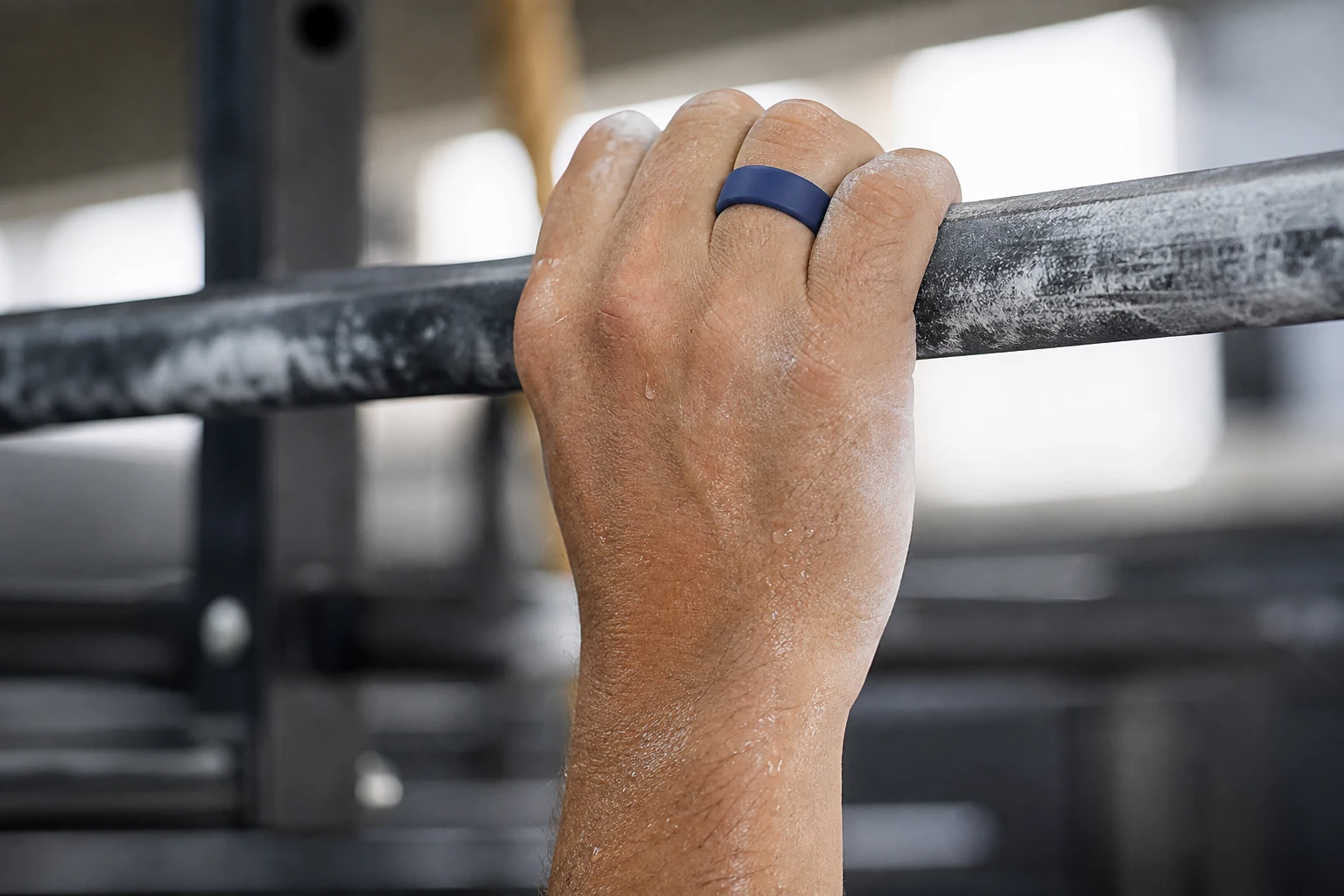
Police and military roles are exactly the kind of work where that risk sits higher than average. You’re climbing over obstacles, running fence lines, doing vehicle extractions, hauling gear, wrestling with someone who doesn’t want to be handcuffed. A wedding band or a signet ring doesn’t care about any of that. Silicone doesn’t fight back the same way. Most quality silicone bands are built to split or stretch under a load well below what it takes to injure a finger, so instead of a trip to theatre you end up with a ring in two pieces and a story to tell at the next shift changeover.
There’s also the practical side that has nothing to do with injury risk. Metal rings can conduct electricity around live equipment, they can scratch weapon housings, they can chip paint on vehicles, and in cold climates they get uncomfortably cold against skin. A decent silicone ring sidesteps all of that. It’s why so many departments and units have quietly gone from “no rings on duty” to “silicone rings only” over the last decade, without ever writing it into a formal policy.
Choosing the Right Ring
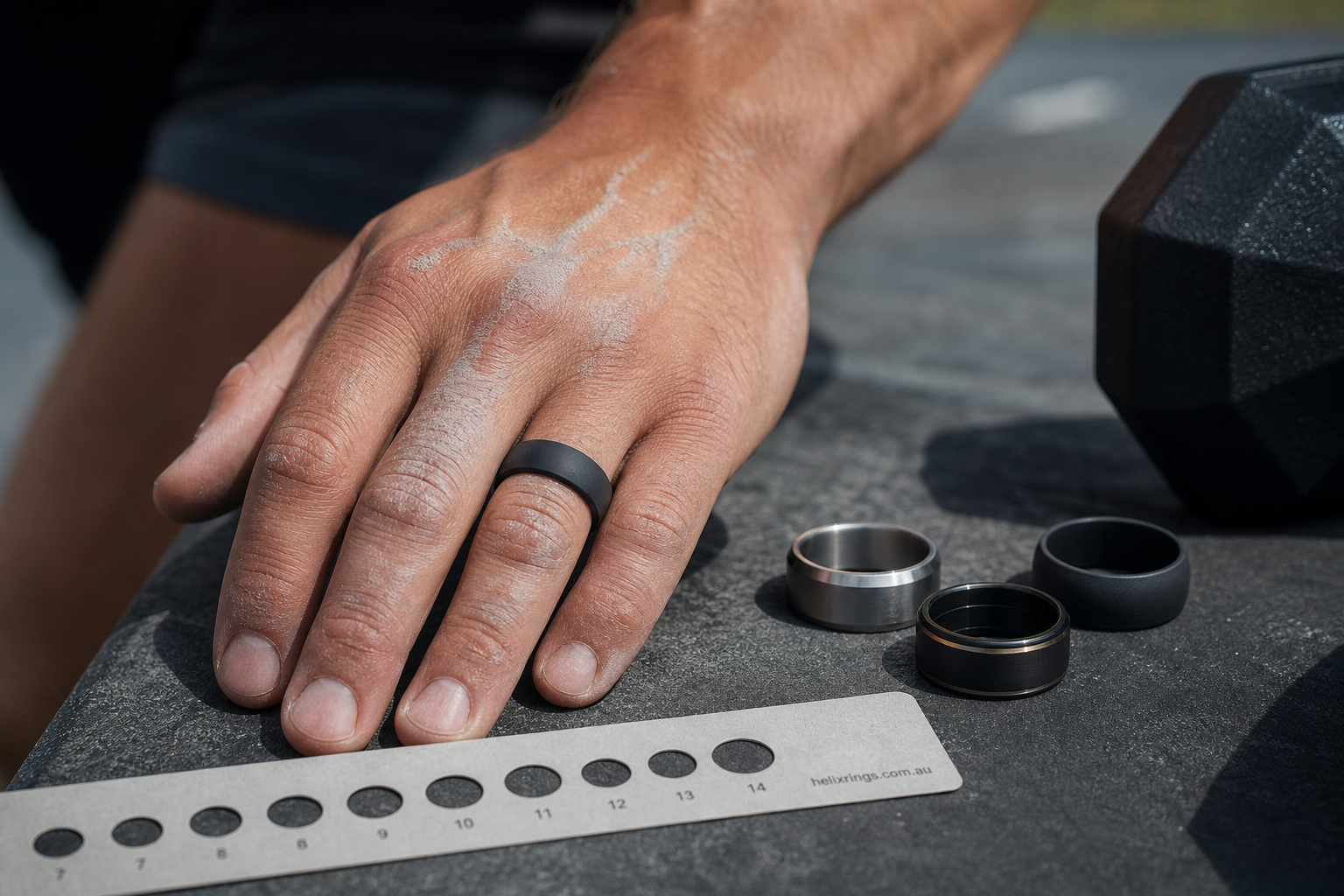
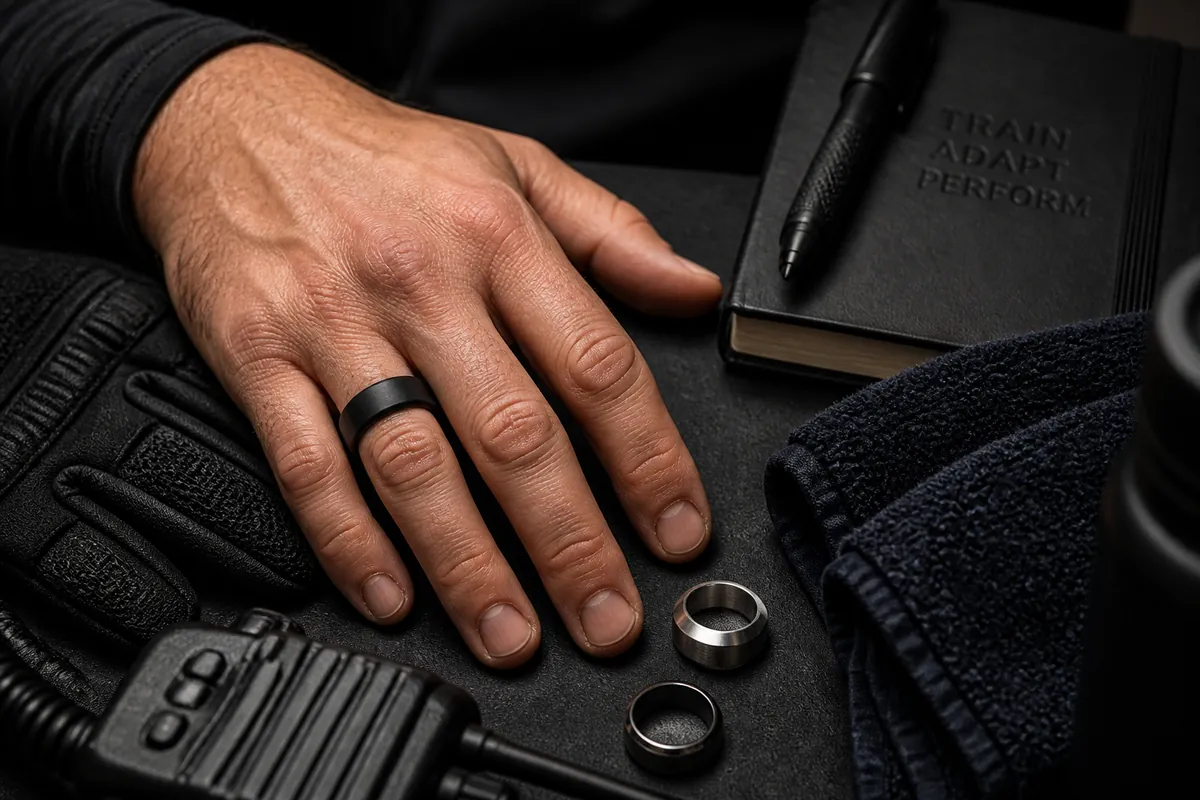
Fit comes first, and it’s not the same as your normal ring size. Silicone stretches, which is exactly the point, but a ring that’s too loose will spin around your finger all shift and catch on everything you touch, while one that’s too tight won’t break free the way it’s meant to when it actually matters. Measure with a proper sizing tool rather than guessing off an old metal band, because silicone sits differently on the finger and a size that feels snug in the shop can feel completely different after eight hours of glove use and swelling.
Thickness and profile matter more for this job than for everyday wear. A slim, low-profile band sits closer to the finger and is less likely to snag on webbing, radio straps or fencing than a chunky, domed style. If you’re after something with a bit more presence for off-duty wear, browse the full range of silicone rings and compare profiles side by side before you commit to a size.
Breathability is the other thing worth checking. Departments that issue rings for twelve-hour shifts, or units doing extended field rotations, tend to prefer designs with small internal channels or a textured inner surface, because a solid slab of silicone against skin for that long gets sweaty and can cause irritation. It’s a small detail that makes a real difference by hour ten of a double shift.
Top Styles for Officers
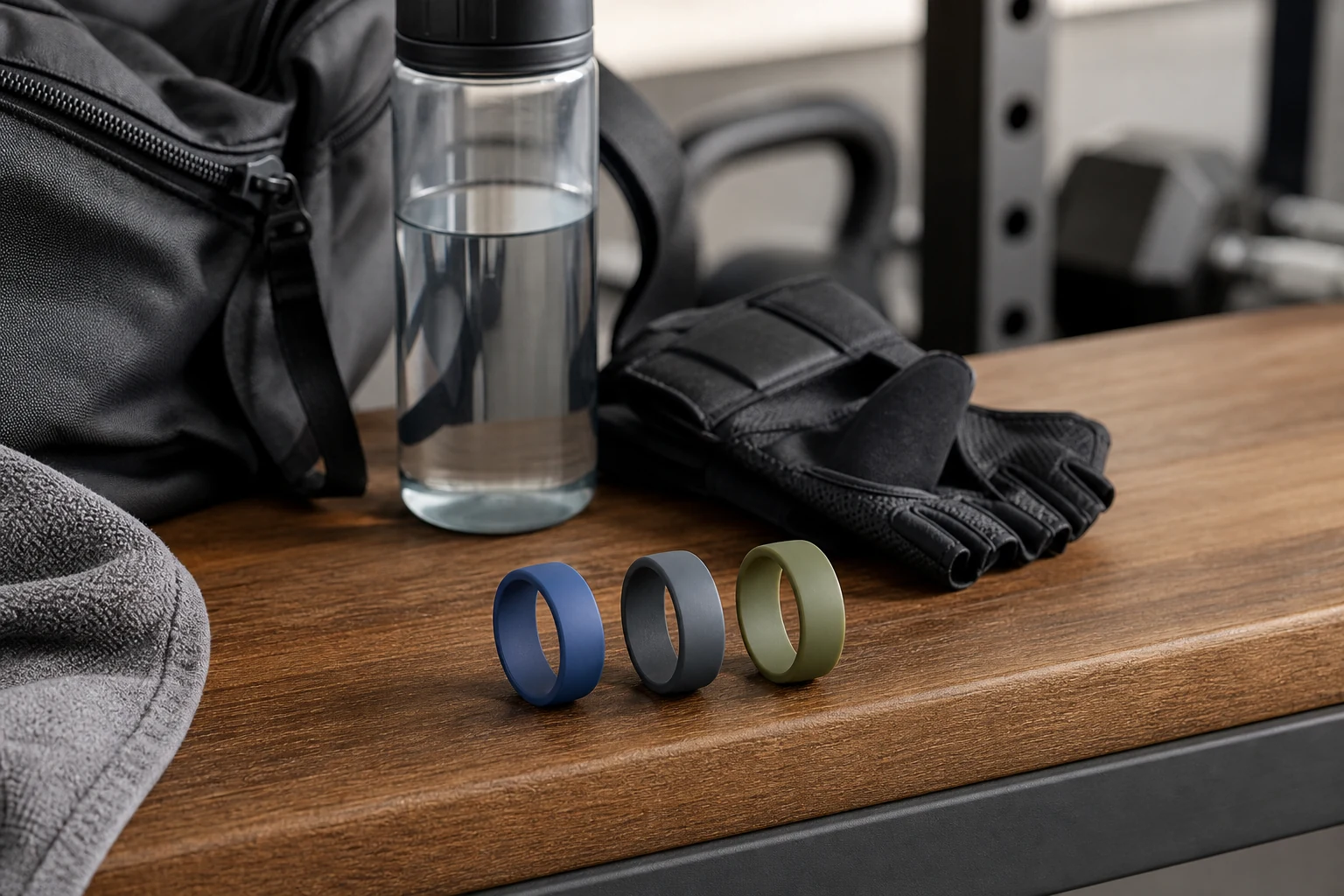
Black is still the default for a reason. It reads as understated, it doesn’t reflect light the way a pale band would in low-visibility work, and it matches uniform gear without drawing attention. The black silicone rings collection covers most of what officers and service members actually reach for, from flat matte bands to ones with a subtle beveled edge.
Grey is the quieter alternative when black feels a bit too stark against certain uniforms, and it tends to show scuffing less than black does over months of daily wear. Check the grey silicone rings if you want something a shade softer without going bright.
Navy and deep blue tones have become popular with officers who want a bit of colour without it looking out of place next to a duty belt, and they’re a common private choice for partners of serving members too. The blue silicone rings range has a few darker shades that read as near-black under artificial light but still have some depth to them in daylight.
If you’re outfitting a whole squad or shift roster, buying individually gets expensive and inconsistent fast. A multi-pack solves both problems at once, since everyone ends up with the same quality band and you’re not placing eight separate orders. The ring packs are built for exactly this, and they’re also handy for anyone who wants a spare on hand for when the primary one finally splits.
What to Check Before Buying
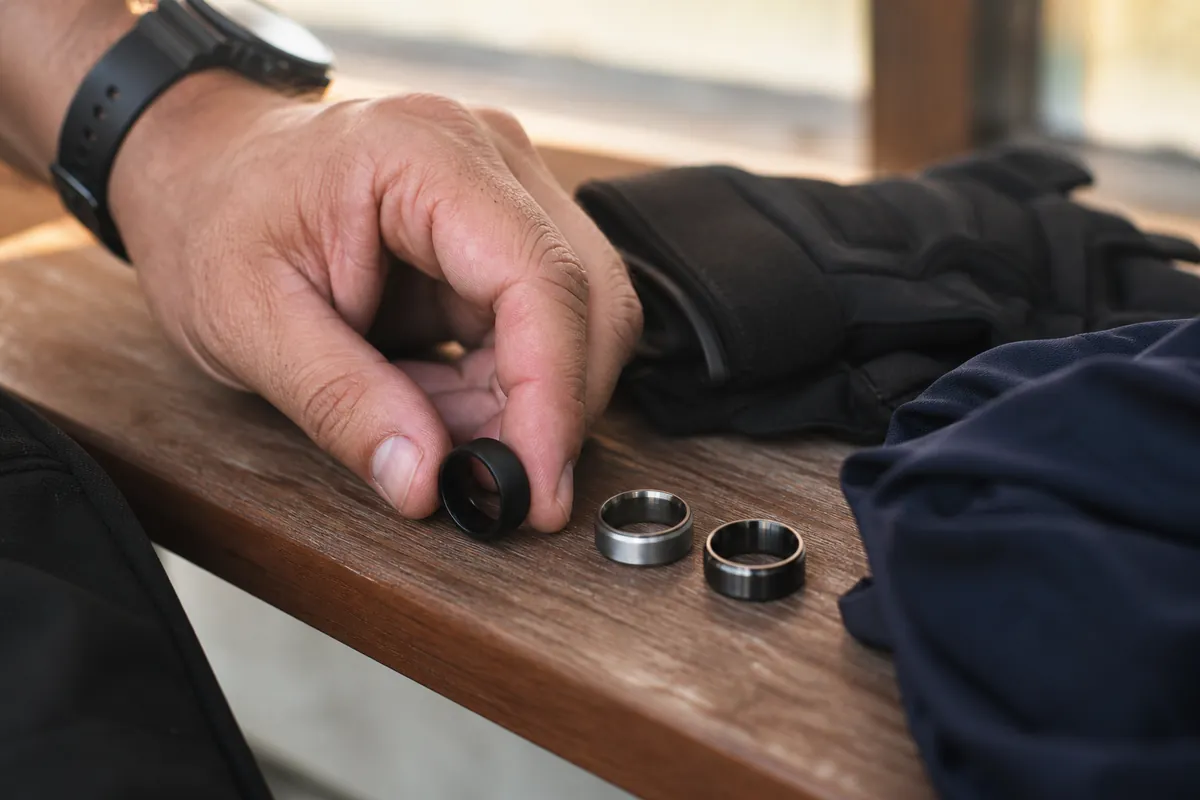
Not every silicone ring is medical-grade, and it shows. Cheap moulded bands can have a rubbery smell, uneven thickness, or seams that irritate skin after a few hours. Look for product descriptions that mention food-grade or medical-grade silicone specifically, because that’s a decent proxy for a manufacturer that’s actually thought about how the ring performs against skin all day, not just how it photographs.
Check the breaking mechanism too. Some rings are designed with a deliberate weak point so they split cleanly under load rather than stretching indefinitely and cutting off circulation before finally giving way. That’s the behaviour you want in a genuine safety incident, not a ring that holds on stubbornly.
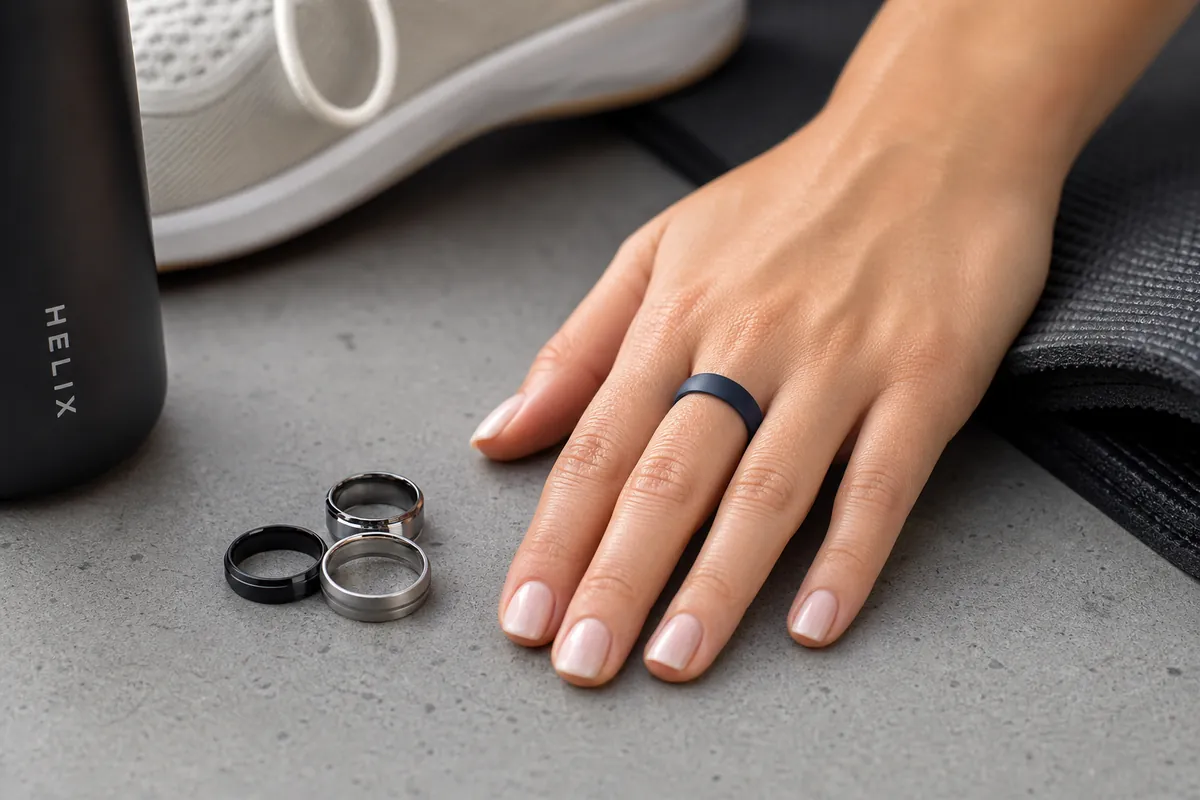
Think about how many you actually need before checking out. Duty rings wear out. They stretch, they pick up grime from gloves and gear, and eventually one snaps exactly when it’s supposed to. Officers who’ve been through that once usually keep a spare in a locker or glovebox rather than getting caught without one. It’s also worth browsing beyond silicone if you want something for off-duty occasions, since the custom titanium rings range covers the times you want a ring that isn’t going anywhere, like a formal mess dinner or a wedding, where the catch-and-release safety feature isn’t the priority.
Budget wise, this isn’t an area where the most expensive option automatically wins. A well-made silicone band from a reputable seller costs a fraction of a metal ring and is meant to be replaced periodically anyway, so there’s little upside in overpaying for one. Compare a few options in the men’s silicone rings section and you’ll notice the price gap between a genuinely well-made band and a cheap import isn’t nearly as large as it looks on the surface.
Tips from the Range
Rotate rings the same way you’d rotate boots. Constant flexing and stretching, especially in hot climates or during physical training, breaks down silicone faster than most people expect. If a band starts feeling looser than it did a month ago, or the surface has gone slightly tacky, that’s your sign it’s near the end of its life, not a fault to complain about.
Size down slightly if you’re between two measurements and you do a lot of hand-heavy work. A ring that’s a touch snug when you first put it on will settle in within a day or two, whereas one that’s slightly loose from the start tends to stay loose and ends up spinning or sliding off during PT.
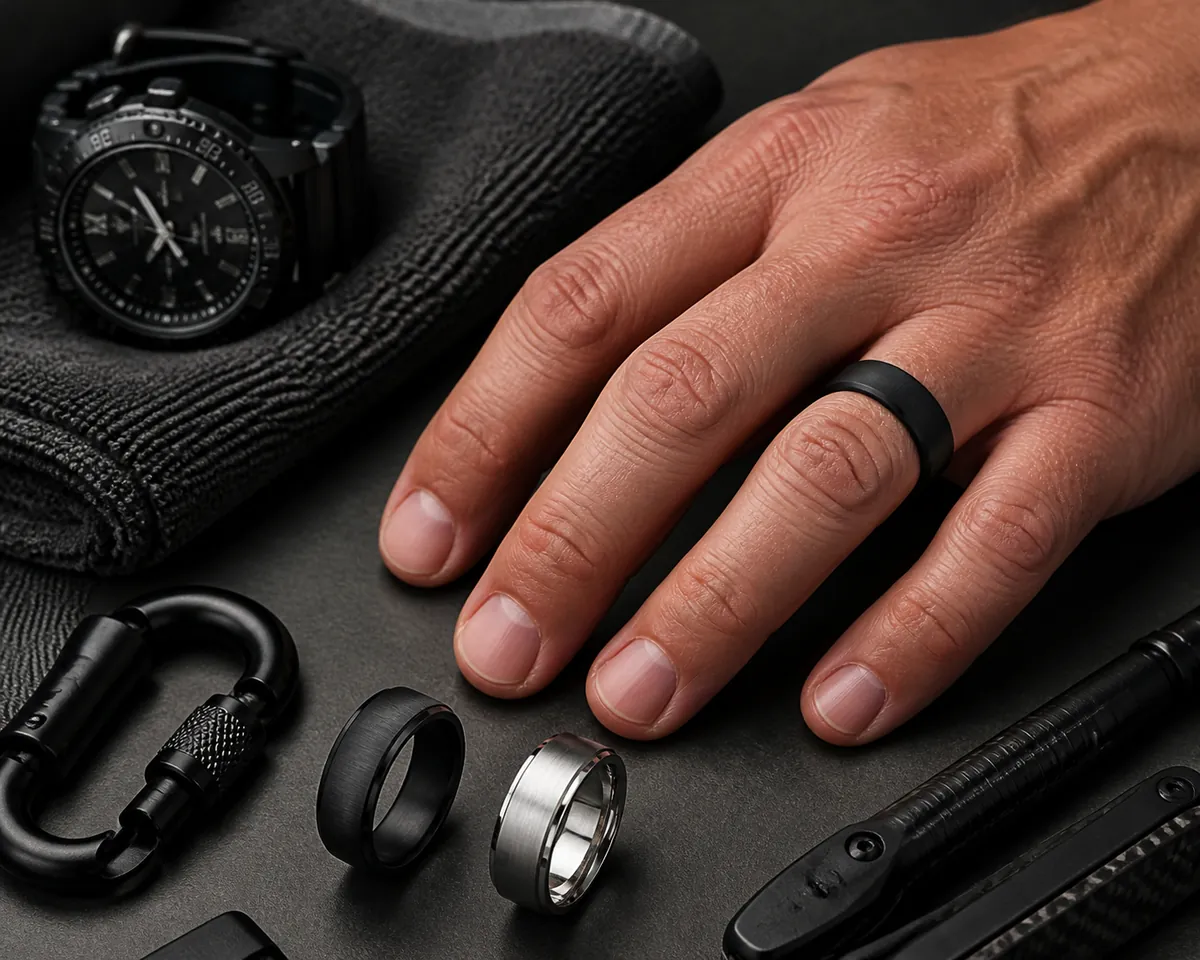
Keep a couple of spares in different colours if your role moves between uniform and plain clothes. It sounds like overkill until you’re standing in front of a mirror before a formal function realising your duty-black band doesn’t match anything you’re wearing. A quick look through the full ring range at Helix covers that gap without much extra cost.
Finally, don’t skip the fit check after a break or an injury to the hand. Swelling changes finger size, sometimes permanently, and a ring that fit fine before a fracture or a dislocation might not fit the same way afterwards. It’s a two-minute re-measure that saves you from buying a ring that’s wrong before it even arrives.
Frequently Asked Questions
What’s the best silicone ring for police and military?
The best option is a medical-grade silicone band with a low profile and a built-in breakaway point, in a dark colour like black or grey that suits uniform standards. Beyond that, it comes down to personal fit and how often your role puts your hands under load, so it’s worth trying a couple of profiles before settling on one.
How do I know which silicone ring is right for me?
Start with an accurate measurement rather than relying on your metal ring size, since silicone sits and stretches differently on the finger. From there, match the thickness and profile to how physical your day-to-day work actually is, because a slimmer band suits high-contact roles better than a thick, domed one.
What should I look for when buying a duty ring?
Check that it’s genuinely food-grade or medical-grade silicone, not just marketed that way, and look for a design with a deliberate weak point so it breaks cleanly under real force. Fit and colour matter for comfort and uniform standards, but the material quality is what actually keeps your hand safe.
Are there budget-friendly silicone ring options?
Yes, and this is one product category where spending more doesn’t necessarily buy you a better outcome, since these rings are meant to be replaced periodically anyway. Multi-packs work out cheaper per ring than buying individually, which also makes sense if you’re outfitting a whole shift or squad at once.