Are Silicone Rings Good for Running and Endurance Training?
What Silicone Rings Mean for Training
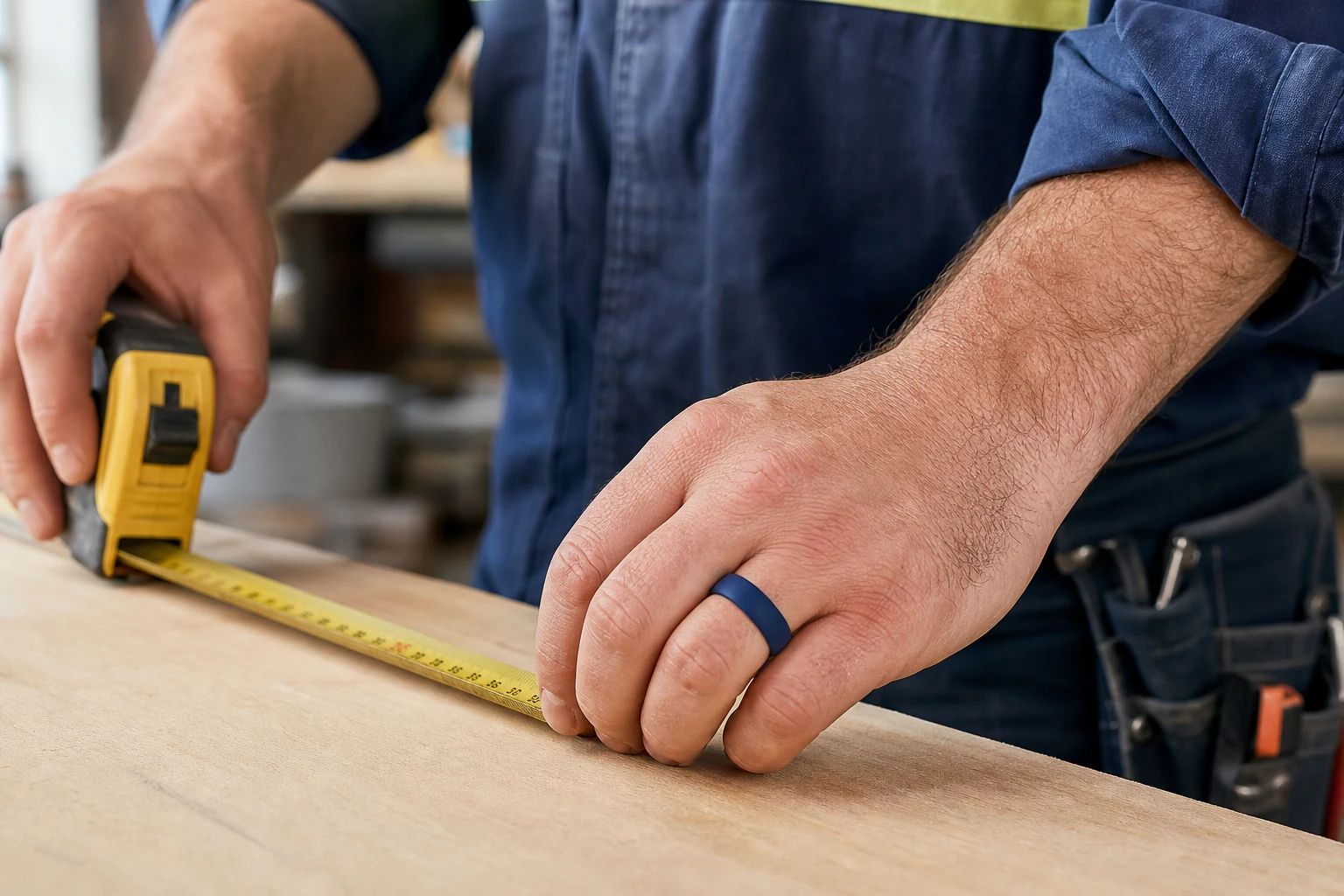
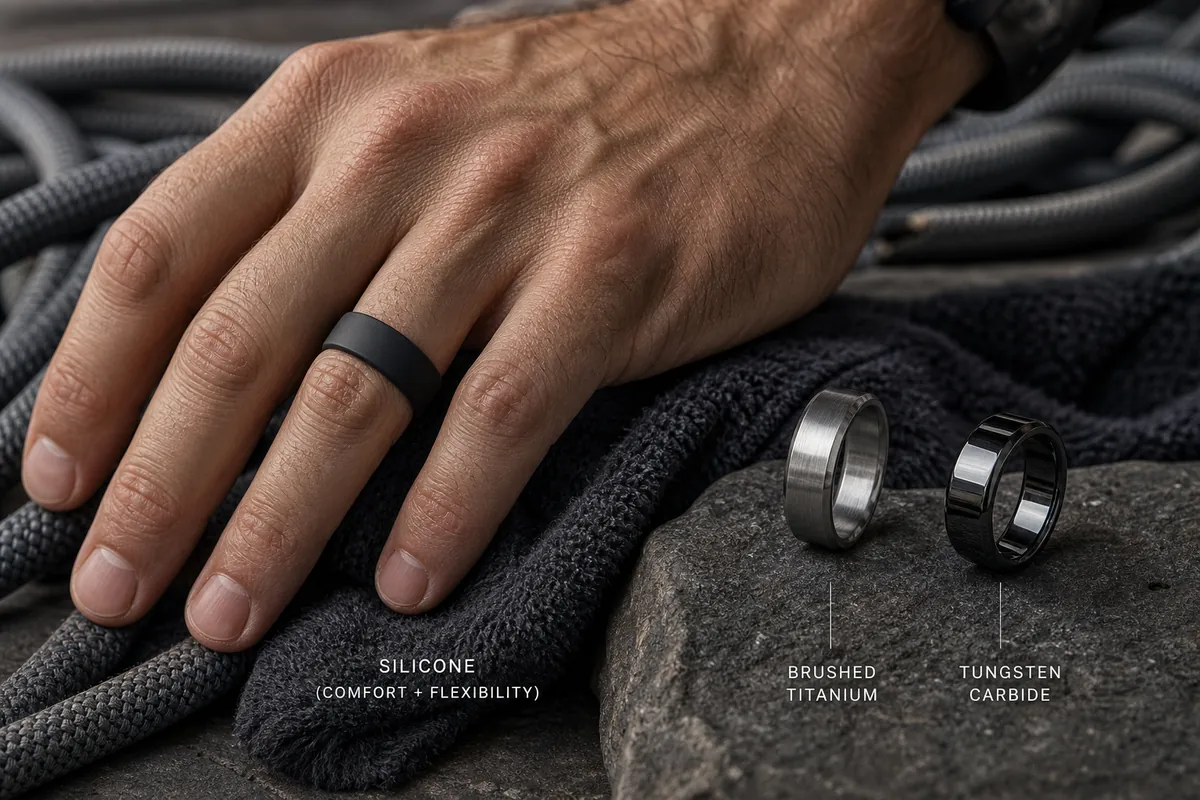
For runners and endurance athletes, the appeal of a silicone ring is simple: less metal, less fuss, and fewer things to think about when you’re focused on pace, breathing, and form. A good band should feel almost forgettable, which is exactly what you want when you’re logging long runs, interval sessions, easy base miles, or back-to-back training days. If you are wearing a ring because it matters to you emotionally, but you also want something that behaves better than a traditional metal band in sweat and movement, silicone is worth a serious look.
That said, silicone is not magic. The right ring still depends on fit, profile, and the way you train. A ring that is too loose will rotate and distract you. One that is too tight can feel annoying once your hands warm up or swell a little in the heat. The sweet spot is a secure, flexible fit that disappears while you run. That is the same practical mindset you see across the Helix Rings homepage and the broader collections page: choose the ring that suits the way you actually live, not just the way it looks in a product shot.
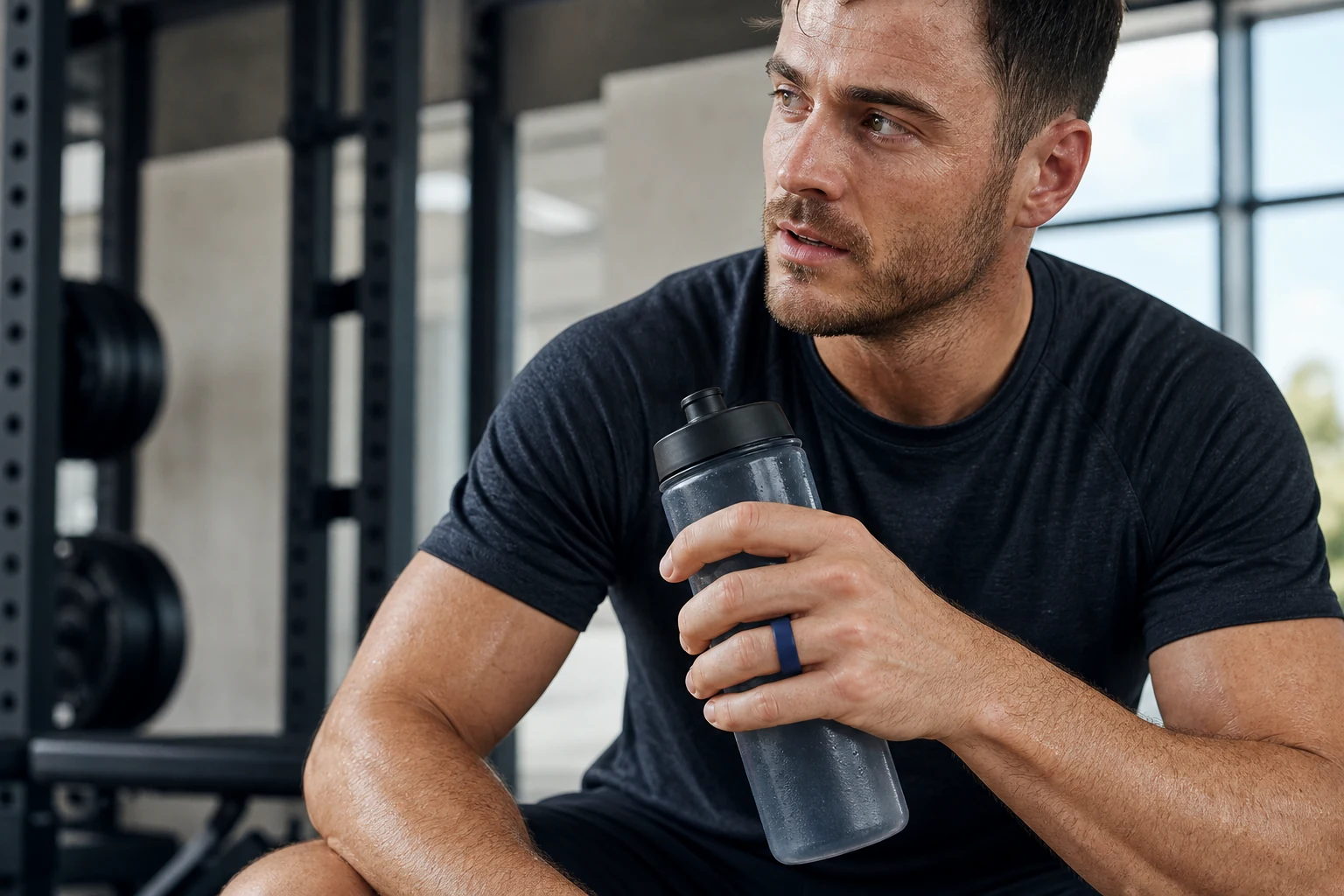
There’s also a safety angle. In hard training environments, a non-metal ring can be a more sensible everyday choice for people who move between the gym, the track, the road, and the rest of life without wanting to swap jewellery constantly. Silicone won’t turn you into a better runner, obviously, but it can remove one small irritation from the list. For most endurance athletes, that alone is a decent win.

If you want to understand the brand’s broader point of view on active wear and practical ring design, the about page is a useful place to start. It frames the category around performance-minded buyers rather than dress-jewellery expectations, which is the right lens for this topic. For runners, the question is not whether the ring is precious. The question is whether it stays out of the way.
How to Choose the Right Ring
The best silicone rings for running usually share a few traits. First, they are low-profile. A slim or moderate-width band tends to feel better than something overly bulky, especially if you swing your arms hard or wear gloves in cooler weather. Second, they have a shape that sits flat and stable, so the ring does not keep twisting with every kilometre. Third, they feel smooth against the skin, because friction becomes much more noticeable once you’re sweating and your cadence is high.
Fit matters more than most people expect. Endurance training changes your body through the day: hands swell a little after heat, dehydration, altitude, or long effort. That means the ideal size is often the one that feels snug without becoming restrictive. If you have been browsing the Helix Rings blog, you’ll already know the brand tends to think about wearability in practical terms. That is the right approach here too. Buy for movement, not just for a static mirror test.
Material feel matters as well. Some silicone bands are softer and more flexible, while others are a bit firmer and hold their shape better. Soft can be comfortable, but too soft can also feel flimsy for everyday use. Firmer bands can be a better choice if you want something that feels more structured and less likely to roll. There is no universal winner. What matters is how the ring behaves on your hand during repeated motion, when you are least likely to notice it but most likely to be annoyed by it.
Style still matters, even for training. Many runners like a plain matte finish because it looks clean and stays understated. Others prefer a slightly textured surface for grip or a color that makes the ring feel more personal. That is where the product range becomes useful: if you want a ring you can wear on race day, in the office, and on the weekend, a calmer design usually makes the most sense. If you want more personality, choose a color that still feels easy to live with long term.
One useful rule: if you are constantly noticing the ring during a run, it is probably the wrong ring. Comfort in this category is not about luxury. It is about absence. The best ring is the one you do not have to manage mid-session.
Top Styles and Options
For endurance training, the most useful styles tend to fall into three buckets. The first is the classic smooth band. This is the easiest option to wear because it has no dramatic edges or raised elements, so it tends to sit neatly under a watch strap, hydration vest, or gym grip. The second is the low-profile flexible band, which often gives a little more forgiveness if your fingers swell during a long effort. The third is the lightly textured or shaped ring, which adds visual interest while still keeping the profile simple enough for training.
Plain bands are popular for a reason. They are unobtrusive, easy to clean, and compatible with just about any kit. That matters when you’re doing long sessions where you may move from road to trail to recovery work in the same day. A runner’s ring should not demand a wardrobe change. It should work with everything else you already wear.
Color is more than decoration, too. Darker colors can hide sweat and everyday scuffs better, while lighter tones can feel fresher and more casual. If you wear the ring every day, pick a color you won’t get bored of after the novelty wears off. That is especially true for athletes who want a single ring that handles training, travel, and casual wear without looking out of place. Helix’s product approach is built for that kind of practical decision-making, and the collections layout reflects it well.
For athletes who split time between training and social life, a ring that looks clean enough for dinner but durable enough for a tempo run is usually the sweet spot. If you want more background on how the brand thinks about that crossover, the about page and the blog are both worth a look. The goal is to make the ring feel like part of your routine, not a separate accessory you need to babysit.
You’ll also see some runners prefer a second ring for racing or heat-heavy sessions. That is fine, but in most cases one solid everyday band is enough. A good ring should be flexible enough to handle training stress while staying simple enough to become invisible in your bag, on your desk, or in a race-day drop kit.
What to Consider Before You Buy
Before buying a silicone ring for running and endurance training, think about the environment you train in most often. Road runners may prioritise a smooth, minimal feel. Trail runners may care more about a secure fit and no distracting edges. Gym-goers who also run may want something that transitions cleanly between lifting, cardio, and the rest of the day. There is no single version that wins in every scenario, which is why the smartest choice is usually the one matched to your actual habits.
Think about moisture next. Running produces sweat, and long sessions produce a lot of it. A ring should be easy to rinse, dry quickly, and resist feeling slippery once you’re well into the session. That does not mean it has to be waterproof in some dramatic sense; it just needs to stay comfortable when exposed to repeated sweat, hand washing, and general wear. For most athletes, that is enough.
Durability matters, but so does replacement cost. Silicone rings are usually attractive because they are comparatively affordable, which makes them easy to replace if you want a backup color or if the band eventually wears out after heavy use. That is especially helpful if you rotate between training blocks, races, holidays, and everyday life. If a ring feels precious, you may baby it. If it feels practical, you will actually wear it.
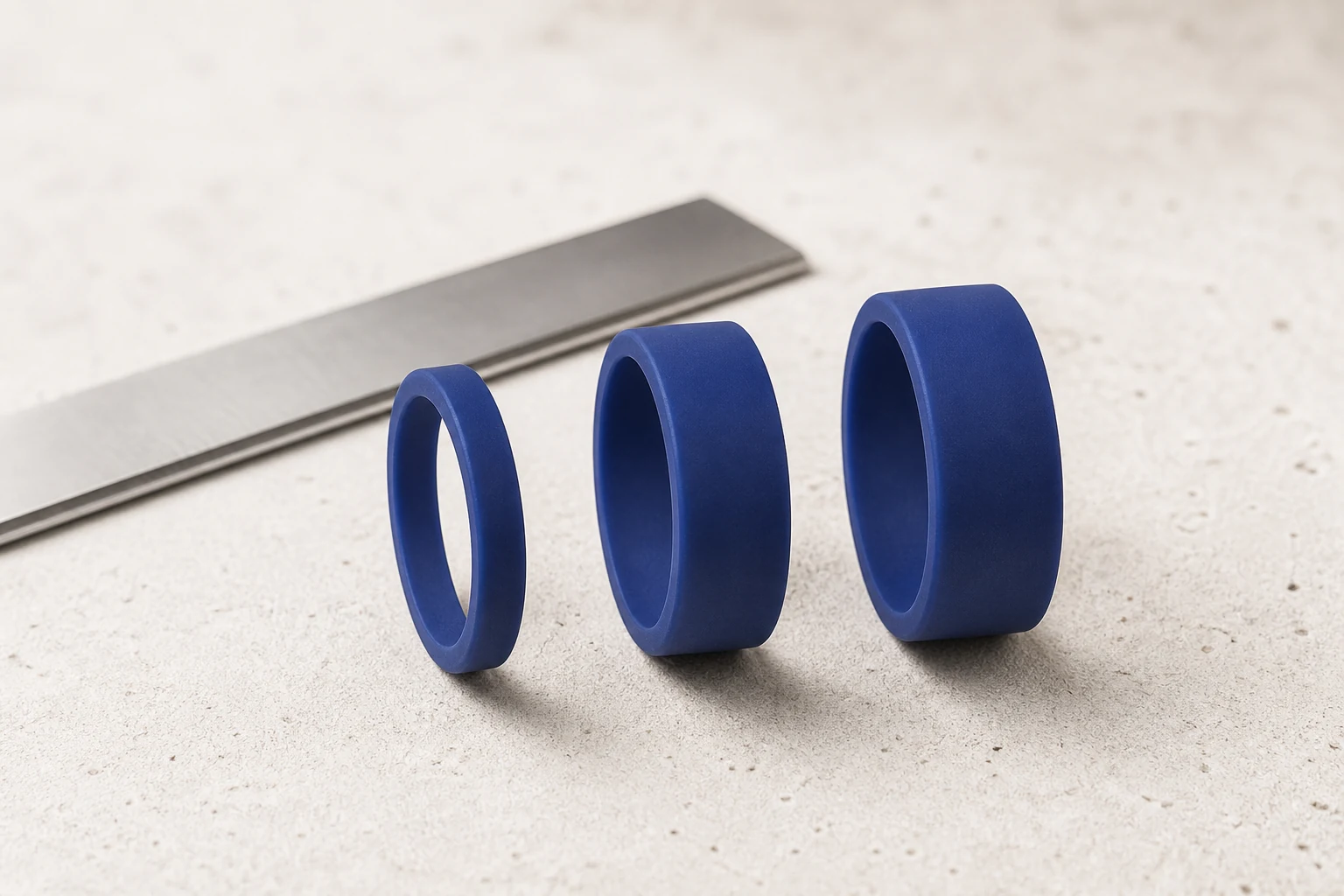
It is also worth paying attention to the ring’s width and edge shape. Wider rings can feel more substantial and may suit people who want a bolder look, but they are not always the easiest choice for high-mileage comfort. Narrower rings can disappear more easily and may feel better for runners who do not want to notice anything on their hands. Neither is automatically better. The right answer is whichever one you can forget during the last five kilometres of a long run.
Finally, buy from a site that makes the decision straightforward. If the product photos, collection structure, and brand messaging clearly show what the ring is for, you will have an easier time choosing the right band the first time. That is one reason people end up browsing the Helix Rings homepage rather than treating the category as generic jewellery. The brand is built around active use, and that makes the shopping experience much less confusing.
Tips from the Experts
Experienced runners tend to judge gear by one ruthless metric: does it become annoying at the worst possible time? Rings are no different. If you want a silicone ring to work during endurance training, treat the first few sessions as a test period. Run in it. Warm up in it. Lift in it. Do a recovery day in it. The right ring should stay comfortable across all of those conditions, not just look good on the website.
Another useful habit is to keep the ring clean. Sweat, sunscreen, grit, and everyday oils can all build up over time. A quick rinse after training and an occasional deeper clean usually keeps the band feeling better for longer. That is especially useful if you wear the ring during hot-weather runs, where sweat and heat can make any small irritation feel larger than it is.
Experts also recommend paying attention to what you pair the ring with. A smooth silicone ring generally works better with a performance watch, hydration belt, or heart-rate strap than a bulky design does. If you already wear a lot of running kit, choose a ring that blends into the rest of your setup instead of competing with it. The less the ring asks from you, the better it is doing its job.
For athletes who race often, it can be smart to own one everyday ring and one spare. Not because you need a whole drawer of them, but because a backup means you are never caught without a comfortable option on travel day or race morning. That same practical thinking is visible across the collections approach: keep the choice simple, keep it functional, and keep it ready for real life.
If you want more context around how Helix presents its active-lifestyle range, the blog often provides useful background. And if you are comparing your options with the broader brand story, the about page helps explain why this category is positioned around movement, comfort, and daily wear rather than formal jewellery expectations.
There is one final expert-level point worth remembering: consistency beats obsession. You do not need the “perfect” ring to get value from the category. You need a good-enough ring that feels comfortable, looks like you, and survives the pace of your training schedule. That is the whole game.
Frequently Asked Questions
What is the best silicone ring for running and training?
The best silicone ring for running and endurance training is usually a low-profile band that fits securely and feels smooth under sweat. Look for a ring that disappears during motion, stays comfortable across long sessions, and does not need constant adjusting.
How do I know which silicone ring is right for running?
Start with your training style. Road runners often prefer a simple smooth band, while athletes who lift or cross-train may want a slightly firmer ring with a secure fit. If you can wear it for a long run without noticing it, you’ve probably chosen well.
What should I look for when buying a silicone ring for running?
Focus on fit, comfort, profile, and ease of cleaning. A good ring should sit securely, resist twisting, and feel comfortable when your hands warm up during training. It should also be easy to rinse and simple to wear every day, not just on race day.
Are there budget-friendly silicone rings for runners?
Yes. Silicone rings are usually a practical, budget-friendly category, which is one reason athletes like them. If you want value, choose a simple design with a comfortable fit rather than paying extra for features you do not need.