How Many Silicone Rings Should You Own?
If you are trying to figure out how many silicone rings should you own, the honest answer is that there is no magic number. The right amount depends on your routine, how often you train, whether you wear a ring every day, and how much convenience matters to you. A lot of people discover they do best with a small rotation instead of a single do-it-all ring.
That is especially true if you are comparing options on the Helix ring collections page or reading through the Helix blog for fit and lifestyle advice. One silicone ring can absolutely work, but most people feel better with a backup. Two or three usually covers the real-world situations that make silicone rings useful in the first place.
What Ring Ownership Means
When people ask how many silicone rings they should own, they are usually asking a bigger question: what role is the ring supposed to play in daily life? For some, a silicone ring is a stand-in for a metal wedding band during exercise, travel, or hands-on work. For others, it is the main ring they wear all day because they like the comfort, flexibility, and low-maintenance feel.
That distinction matters. If your silicone ring is a backup to a metal band, one or two may be enough. If it is your everyday ring, you will probably want at least two so you are never stuck when one is in the wash, left in a gym bag, or packed away with travel gear. A small rotation also helps with hygiene, because silicone can collect sweat, dust, and lotion residue over time.
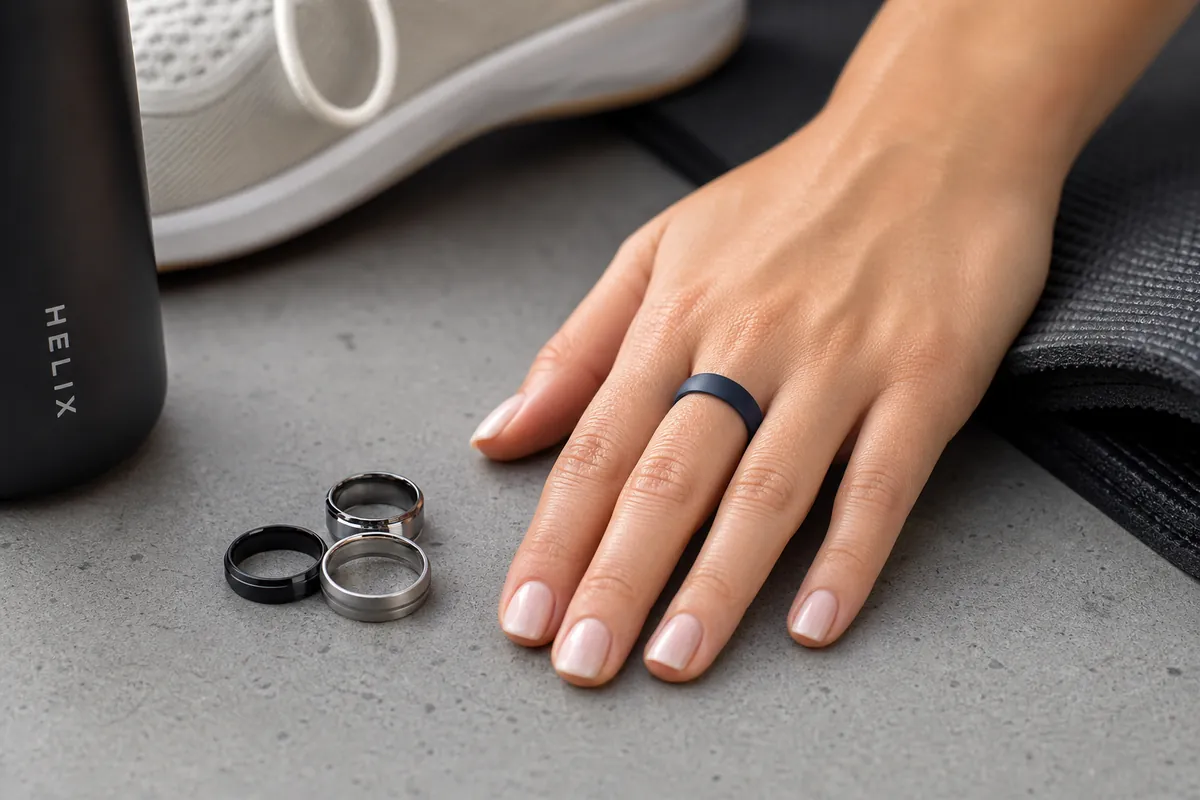
Think about ownership in terms of use cases. One ring can cover the basics. Two rings solve the problem of not being able to wear the first one. Three or more rings let you separate by activity, style, or season. That is why many shoppers end up choosing a simple starter set rather than a single ring and hoping it does everything.
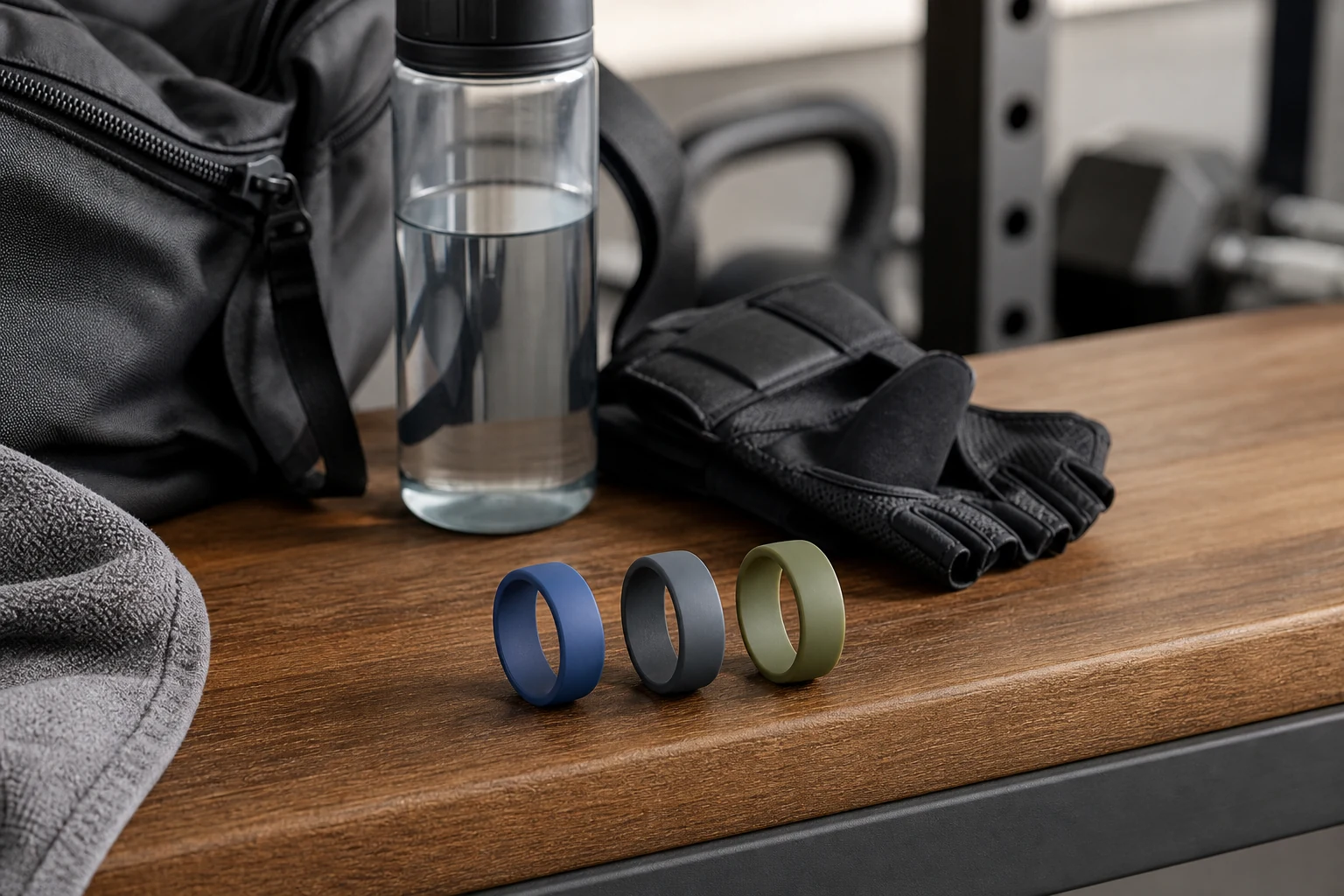
If you are new to the category, it also helps to understand the brand itself. The Helix about page explains the active-lifestyle focus behind the range, which makes it easier to decide whether you want one versatile ring or a small mix of sizes and finishes. In practice, the right answer usually starts with your lifestyle, not the product shelf.
How to Choose the Right Number
The easiest way to decide how many silicone rings you should own is to work backwards from your week. Ask yourself where the ring will be worn most often. If you only need it for the gym or for occasional outdoor work, one good ring may be enough. If you wear it all day, every day, and also want one ready for travel, then two is the practical minimum.
Here is a simple rule of thumb. One ring is bare minimum. Two rings is comfortable. Three rings is ideal for most people. Four or five rings is for anyone who wants clear separation between daily wear, workouts, travel, and style options. That is not about collecting for the sake of it. It is about avoiding the annoying moment where the one ring you own is unavailable when you need it most.
To make the decision easier, use your ring habits as the guide. If you frequently switch between work, training, and weekends away, build a rotation. If your routine is stable and predictable, keep the setup lean. The best number is the smallest number that still gives you convenience, comfort, and a backup.
You can also think in terms of colour and finish. Many people own one neutral ring for maximum versatility and one darker or brighter option for active days. If you like matching your accessories, a couple of finishes gives you enough flexibility without turning the purchase into a project. If you want a cleaner style overview, browse the Helix collections and choose the combinations that make sense for your actual week.
Top Styles and Options
The most useful silicone ring setups usually fall into a few simple categories. First, there is the everyday ring: a comfortable, neutral option that disappears on your hand and works with almost anything. This is the ring most people reach for when they want one piece they can wear from morning to night.
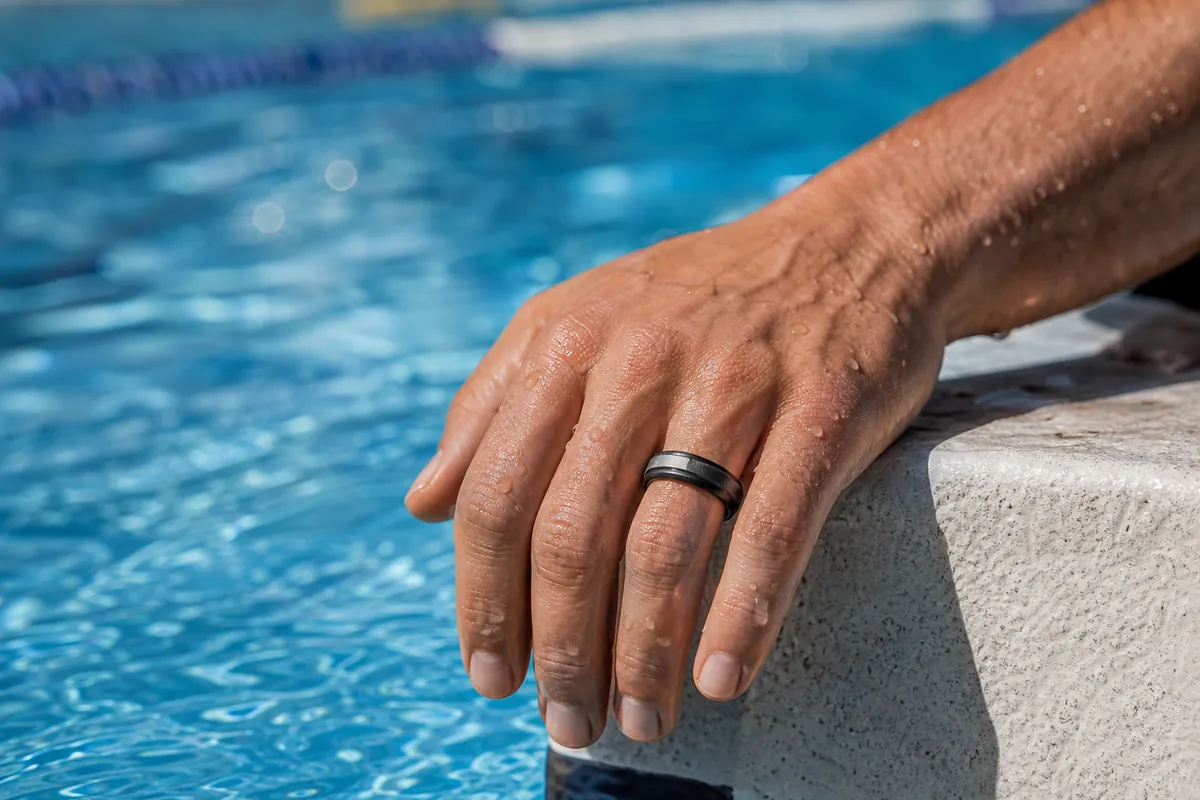
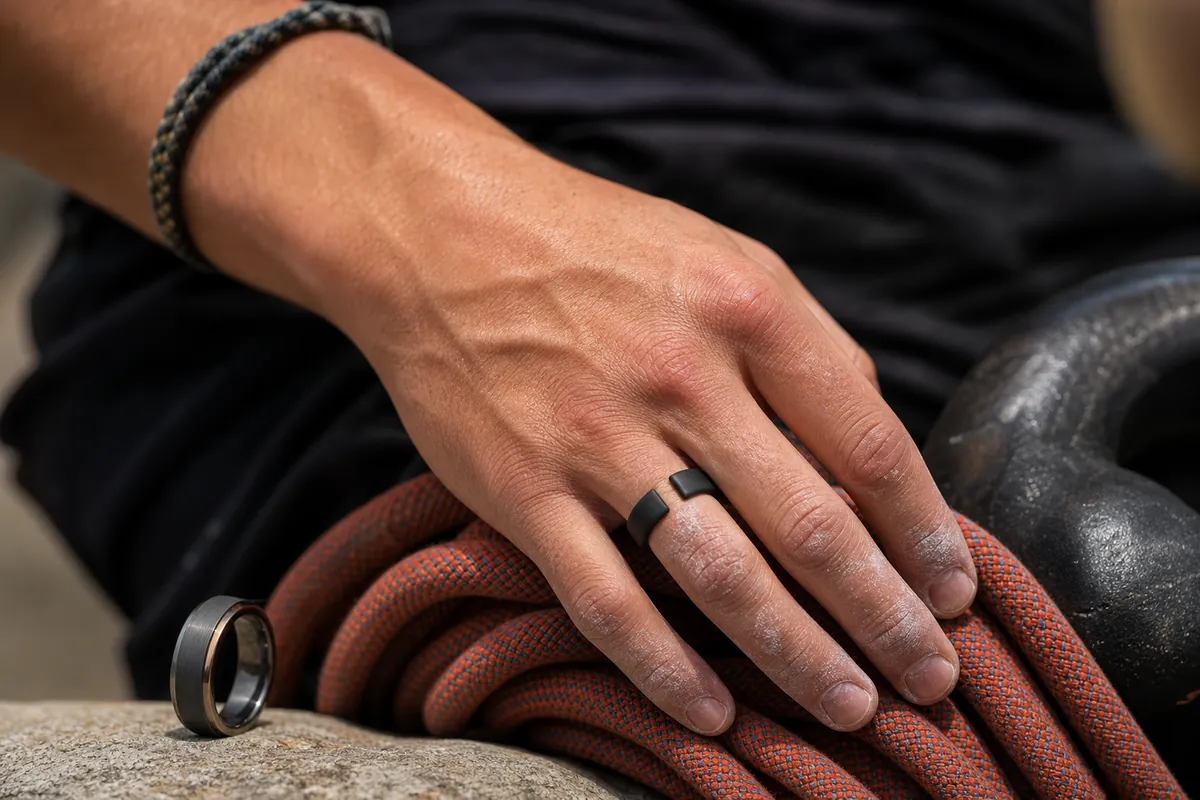
Second, there is the activity ring. This is the one you wear to the gym, on hikes, at the beach, or while doing work that would be hard on metal. It may be the same style as your everyday ring, but many people prefer to make this one slightly different so they can tell the two apart quickly. A quick scan of the collections page usually makes that choice obvious.
Third, there is the backup ring. This one is easy to overlook, but it is the ring that saves you when the main one is lost, left in a car, or needs a clean. A backup does not need to be expensive or flashy. It just needs to fit properly and feel good enough that you will actually wear it when needed.
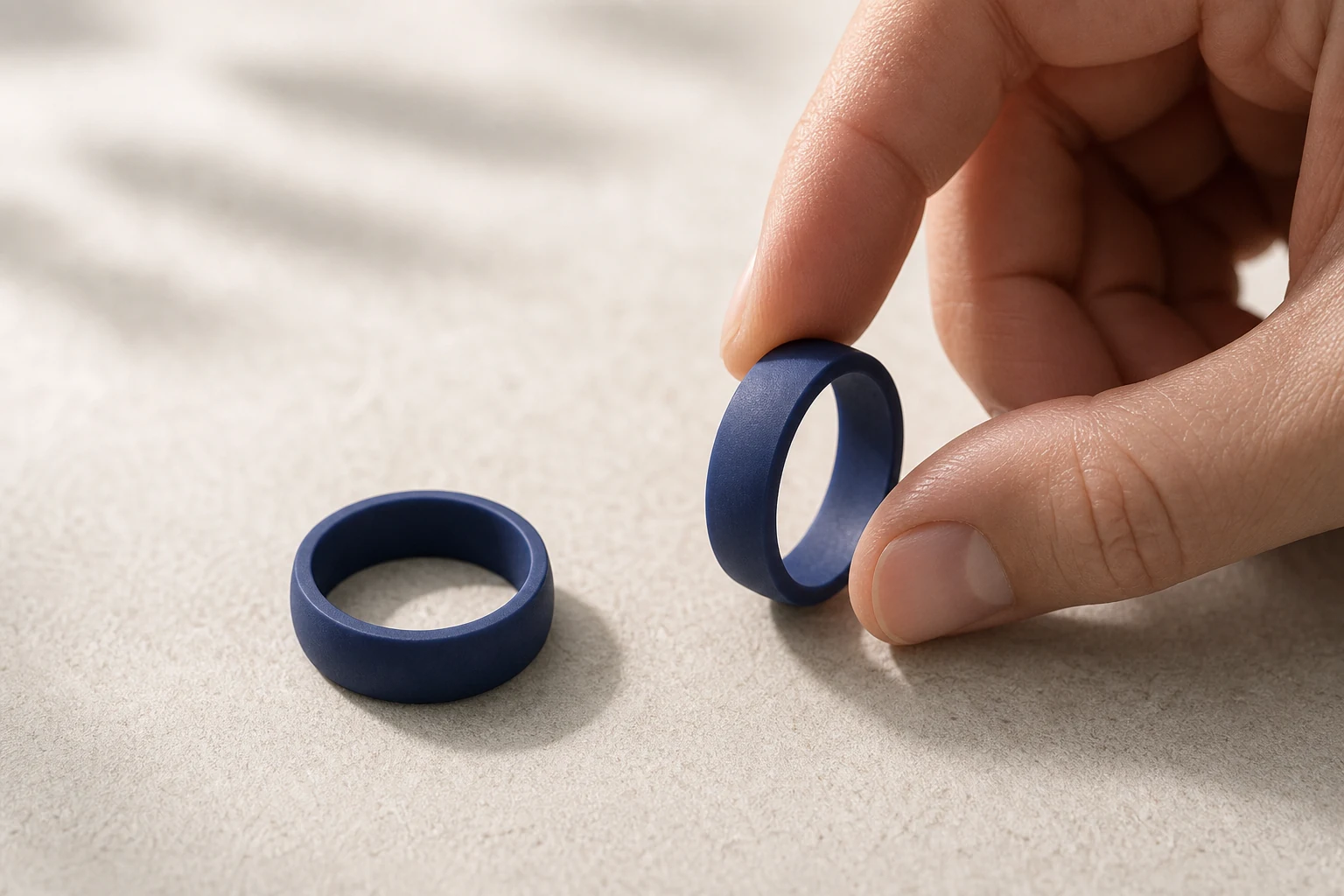
Some shoppers also like to own one ring with a wider profile and one with a slimmer profile. That gives a different look and can change how the ring feels during long wear. If you are shopping as a couple or comparing styles before a wedding, it helps to compare a few widths and finishes side by side before settling on a look.
What to Consider Before You Buy
Before you decide how many silicone rings you should own, start with fit. A ring that is the wrong size can make even a good rotation feel annoying. Silicone should feel secure without pinching, twisting, or creating pressure points. If you are between sizes, think carefully about how your hand behaves during heat, exercise, and long wear, because that can affect comfort more than the product photo does.
Next, think about cleaning. Silicone rings are low maintenance, but they still benefit from an occasional wash. If you only own one ring, you may avoid wearing it while it dries. If you own two or three, you can rotate them and keep your routine moving. That simple convenience is one of the strongest arguments for owning more than one.
Durability matters too. Even though silicone is made for active use, every ring experiences wear differently depending on how often you train, work outdoors, or handle tools. Owning a spare means you are not forced into a rushed replacement. It also gives you a little breathing room if you want to compare colours, widths, or profiles over time.
Finally, consider your wardrobe and lifestyle. If you dress mostly in neutral tones, one understated ring and one backup is usually enough. If you like changing your look or switching between casual and polished outfits, three rings can be a sweet spot. A practical purchase is not about having lots of options. It is about having the right options.
Tips from the Experts
The best advice is to buy for use, not for the hypothetical future version of yourself who might need every possible option. If your life is gym, office, home, repeat, two rings will probably do the job very well. If you travel often, work with your hands, or want a ring that never feels out of place, three is a better starting point.
Experts also recommend separating rings by purpose. Keep one in your everyday drawer, one in your gym bag, and one in your travel kit or car only if that makes sense for your routine. That way you are not constantly searching for the same piece. It sounds small, but that kind of organization is what makes a multi-ring setup feel effortless instead of cluttered.
Another useful tip is to test wear time before buying a full rotation. Wear one ring for a few weeks, note where it feels best, and then decide whether a second or third ring would solve a real problem. Many people discover that the best ring count is not the biggest one. It is the number that keeps life simple.
If you want to keep refining the setup, the Helix homepage is a good place to start, and the blog can help you think through fit, care, and lifestyle use. The goal is not to build a collection for its own sake. The goal is to own enough rings that you never have to think twice about which one to wear.
Frequently Asked Questions
What is the best number of silicone rings to own?
For most people, two or three is the sweet spot. Two gives you a daily ring and a backup, while three lets you separate everyday wear, active use, and travel or replacement. If your routine is very simple, one can work, but it leaves you with no fallback.
How do I know which silicone ring is right for me?
Start with fit, comfort, and how often you will wear it. If the ring is for exercise or manual work, choose a style that feels secure and easy to clean. If it is for all-day wear, pick the option that looks good with most of your wardrobe and feels comfortable for long stretches.
What should I look for when buying a silicone ring?
Look for accurate sizing, a comfortable profile, and a finish that suits your routine. It also helps to choose a ring that is easy to clean and durable enough for your daily activities. If you plan to wear it often, owning at least one spare is a smart move.
Are there budget-friendly silicone ring options?
Yes, and that is one reason people often own more than one. A budget-friendly ring can serve as a backup or activity ring while a more refined option handles everyday wear. The key is to buy a small, useful rotation rather than several rings you will never reach for.