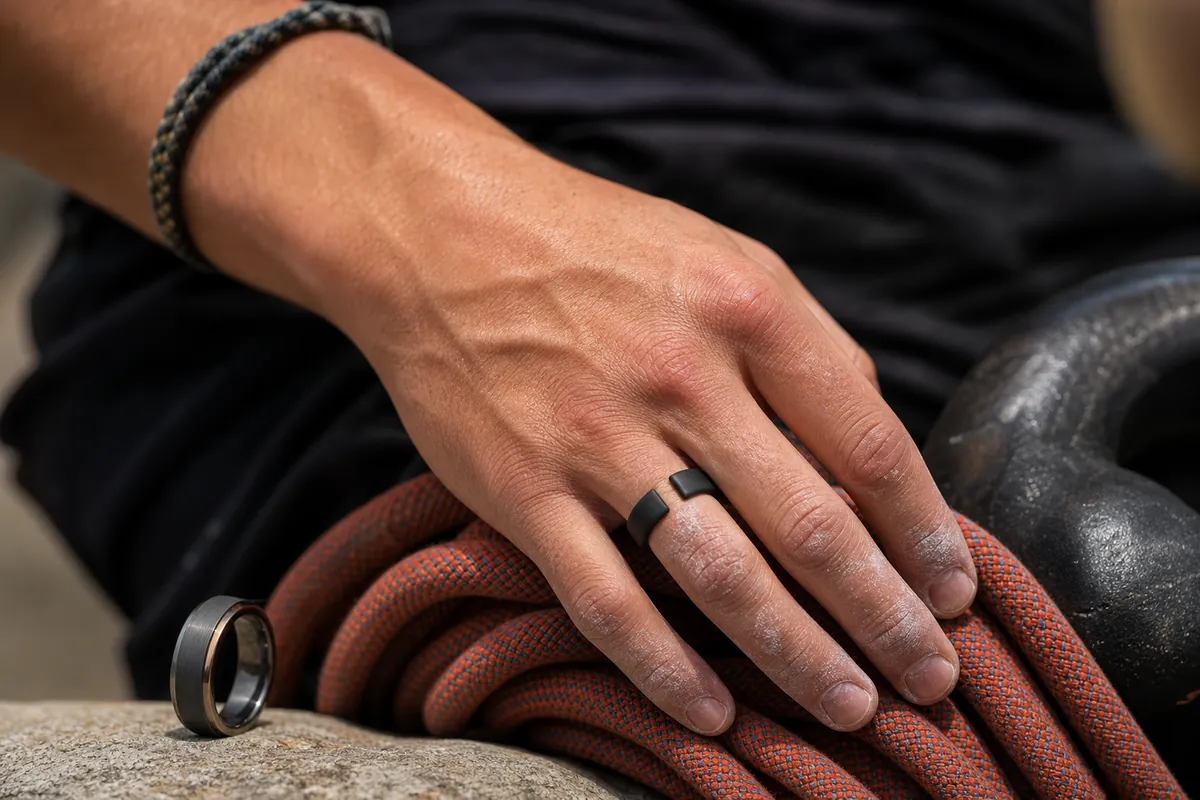
Silicone Rings for CrossFit: What to Look For
If you are training hard, rushing between the gym and the rest of your day, and still want to keep your ring on, silicone rings for CrossFit are built for exactly that problem. They give you the look of a simple band without the hard metal edge, which matters when your routine includes pull-ups, rope climbs, kettlebell swings, barbell work, box jumps, and the kind of grip-heavy movement that makes ordinary jewellery a bad idea. If you want to browse the full range first, start with the Helix Rings homepage or go straight to the Helix collections.
CrossFit itself is built around constantly varied, high-intensity movement, so the gear you wear needs to keep up without getting in the way CrossFit. A good silicone ring should feel light, stay comfortable when your hands sweat, and flex instead of fighting your fingers. That is the difference between a ring that stays in rotation and one that ends up in a gym bag after the first awkward lift.
What Silicone Rings Mean for CrossFit
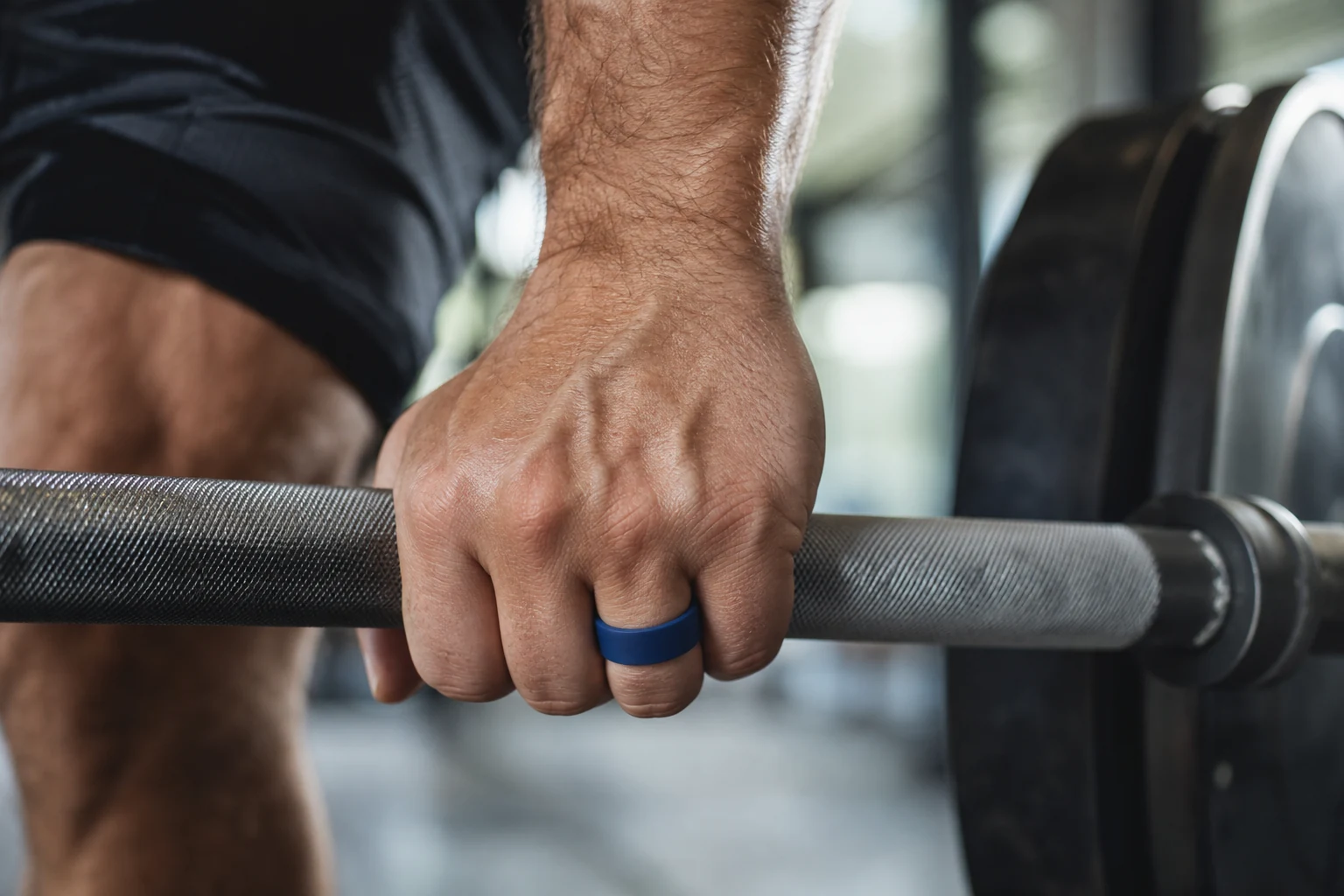
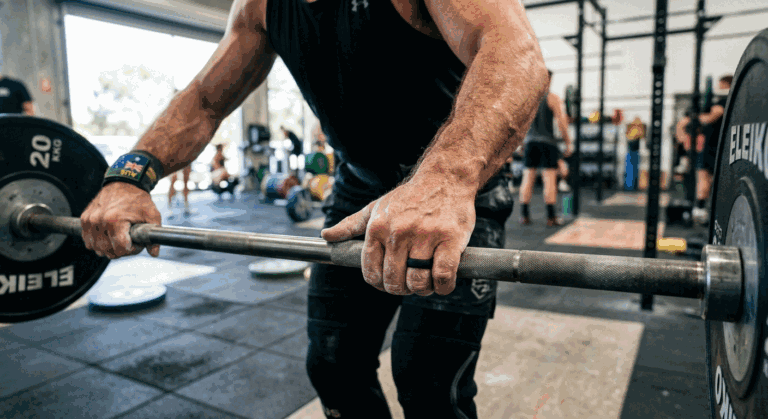
CrossFit puts unusual demands on a ring. You are not just typing, commuting, or going out for dinner. You are hanging from a rig, gripping knurling, chalking your hands, and moving fast through repeated reps. A traditional metal ring can catch on equipment, feel cold and rigid, and become uncomfortable when your hands swell during a long session. Silicone rings reduce that friction. They are soft, non-metal, and designed to flex with your hand instead of resisting it.
That matters for comfort, but it also matters for safety. Ring-related injuries are rare, yet the risk is real when a hard ring catches on a pull-up bar, a plate, or another surface. Ring avulsion injuries can happen when a ring gets pulled or snagged, which is one reason active people often choose a flexible alternative (Healthline). A silicone band is not magic armour, but it lowers the odds of a nasty surprise when training gets chaotic.
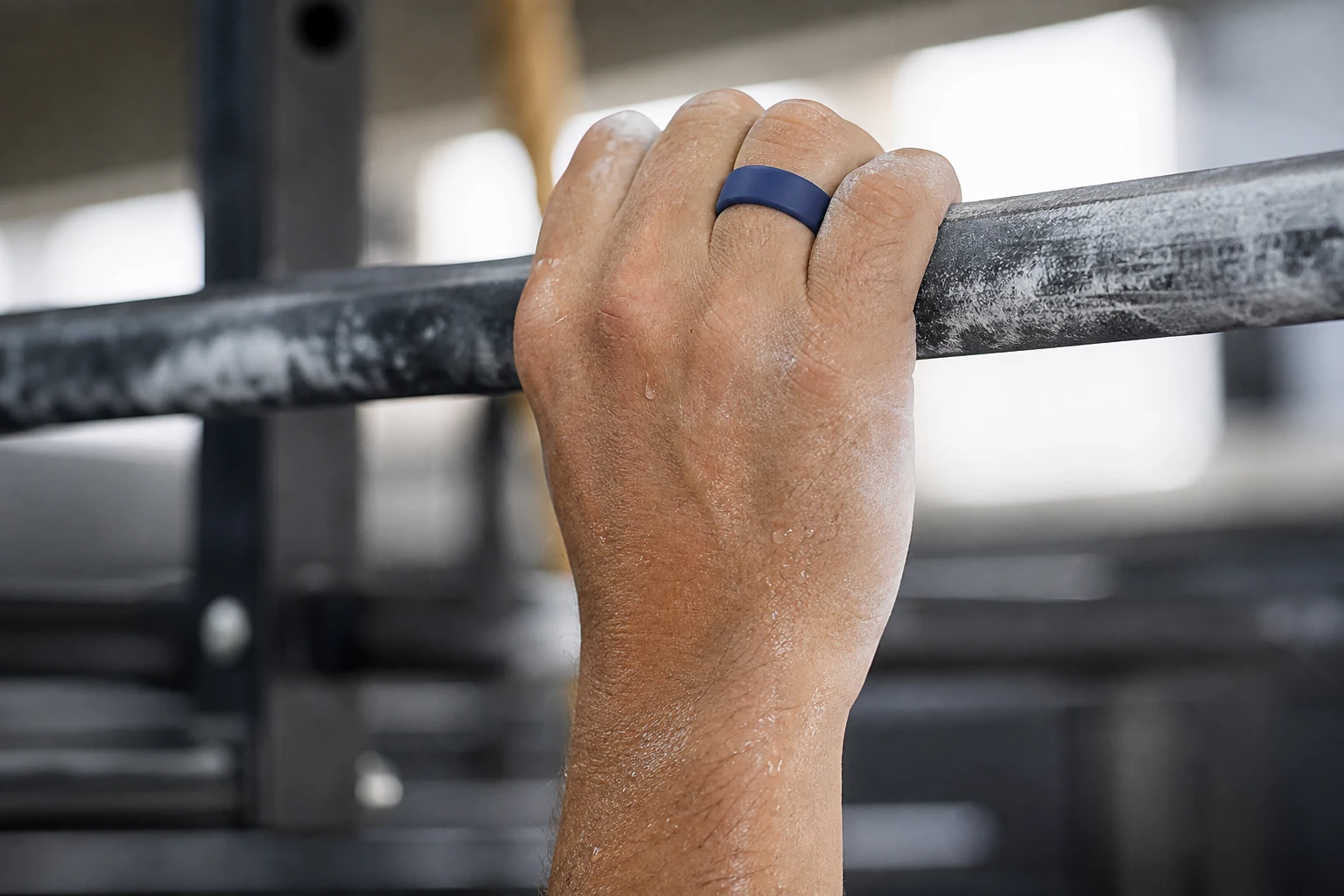
The best part is that silicone rings fit the CrossFit lifestyle without demanding babysitting. They are easy to wash, simple to dry, and usually forgiving if you wear them for a full day before or after training. If you want to see how Helix positions active-friendly designs across the brand, the about page is worth a look, and the Helix blog is where the practical side of ring wear shows up most clearly.
For most athletes, the real win is consistency. You can wear the ring to work, leave it on for errands, head to the gym, and not think about it again. That is what makes silicone rings crossfit-friendly: not a gimmick, just a cleaner fit for a messy, sweaty, high-output day.
How to Choose the Right Ring
Choosing the right silicone ring starts with fit, not style. If the ring is too loose, it will twist, pinch, or slide around during lifts. If it is too tight, it can feel restrictive when your fingers warm up during training. You want a band that sits securely without leaving a deep mark, even after a session that has your hands pumping and your grip working hard.
Start with a true training fit
Measure at the end of the day, or after a workout, when your fingers are at their normal working size. That simple timing matters because hands swell a little with heat, hydration, and effort. A ring that feels perfect first thing in the morning may be frustrating by the time you finish a metcon. If you are between sizes, most athletes are better off choosing the one that gives a little more room without becoming sloppy.
Think about width and profile
Width changes the whole experience. A wider ring can feel more substantial, but it can also be more noticeable during bar work and rope climbs. A slimmer profile tends to disappear more easily, especially if you do a lot of high-rep grip work. The sweet spot is usually a low-profile band that looks clean but does not add bulk. If you are comparing styles, the Helix collections page is a useful place to compare how different profiles read on the hand.
Shape matters as well. Rounded inner edges feel better over long wear, while overly sharp edges can rub once you start sweating. A ring that is smooth on the inside and subtle on the outside is usually the safest bet for a CrossFit athlete who wants one ring to do everything.
Match the ring to your routine
Different training styles pull in different directions. If your week is packed with Olympic lifting and gymnastics, prioritise flexibility and snag resistance. If you wear the ring all day at work, lean into all-day comfort and a finish that hides scuffs well. If your routine includes a lot of outdoor training, you may also want a colour and texture that do not show dust and chalk too quickly. In other words, the best silicone rings crossfit option is the one built around your actual schedule, not a generic “athletic” label.
Top Styles and Options
There is more than one good way to wear a silicone ring. Some people want a plain matte band that disappears on the finger. Others want a slightly more structured ring that feels a bit more polished for work and weekends. The right choice usually comes down to how much you value simplicity versus a more finished look.
Minimal and clean
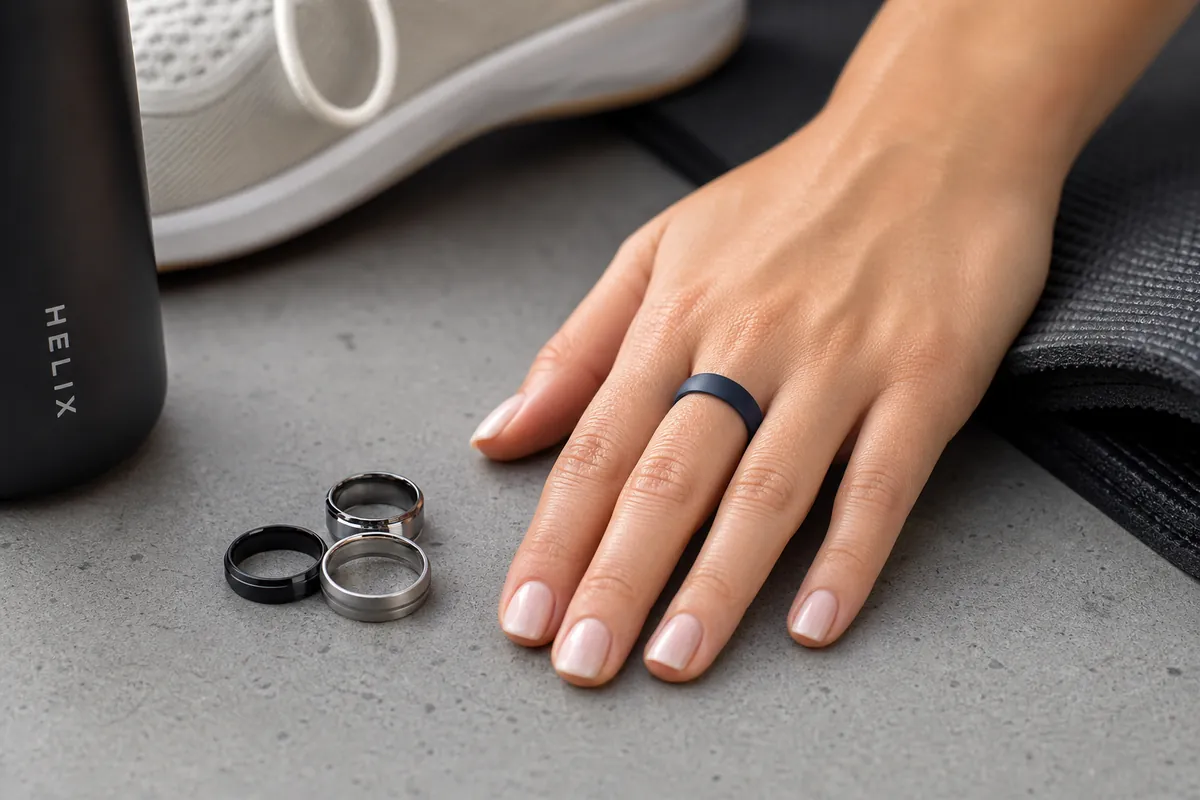
A simple band is usually the strongest choice for hardcore training. It keeps the profile low, keeps distractions down, and pairs easily with everything else you wear. If you want one ring that can move from the gym to dinner without drawing attention, this is the safest lane. Minimal rings are also the easiest to clean after chalk, soap, or sweat.
Textured or detailed
Textured silicone rings can offer a slightly more premium feel without becoming fussy. Subtle grooves, cut lines, or mixed finishes can make the ring feel less generic while still keeping it practical for training. The key is restraint: too much detail can make a ring feel busier than it needs to be. For inspiration on how Helix frames product storytelling and active-lifestyle styling, the Helix blog often does the best job of balancing utility and presentation.
Finish and colour choices
Colour is not just decoration. Darker colours often hide grime better, while lighter colours can look sharper in cleaner settings. Matte finishes tend to feel more understated and more gym-friendly, while smoother finishes can feel a little more refined. If you wear your ring every day, pick a tone that works with the rest of your wardrobe and does not look out of place when you are not training.
At this point it is worth remembering that the ring is only one piece of the overall routine. Your clothes, shoes, and training accessories should all support movement, not fight it. If you want to understand Helix as a brand beyond the product shelf, the homepage and the about page give you a good sense of the broader position: practical, active, and simple enough to wear every day.
What to Consider Before You Buy
Before you buy a silicone ring for CrossFit, ask one simple question: will this hold up to the way I actually live? If the answer is no, the ring will become drawer clutter. The best purchases are the ones that solve more than one problem at once: comfort, safety, style, and ease of maintenance.
Cleaning and sweat resistance
CrossFit means sweat. Sometimes a lot of it. A silicone ring should handle sweat, soap, and everyday grime without becoming sticky or smelly. After training, rinse it with warm water, use mild soap if needed, and dry it fully before you put it away. That is not just about appearance; keeping the ring clean helps it stay comfortable over time. The CDC’s handwashing guidance is a useful reminder that clean, dry hands and clean gear go together, especially after a messy session CDC.
Durability versus comfort
Some rings are made to feel extra soft; others are a little firmer so they keep their shape better. Softer rings may be more comfortable during long wear, but they can also feel less structured. Firmer rings can hold their form well, but if they are too rigid they stop feeling like a comfortable everyday piece. The right balance is the one that still feels good after a long workout and a long workday.
Budget and backup options
Budget matters, especially if you want a ring for training and a second one for daily wear. A lower-cost silicone ring can be a smart buy if it is well made and fits properly. That said, the cheapest option is not always the best value if it stretches out, picks up odour, or looks tired after a few weeks. If you are comparing options, it is often smarter to choose one good ring and one backup than to buy several mediocre ones.
There is also a practical reason to keep an eye on alternatives. A lot of athletes lose or misplace gear, and a second ring can save you from reaching for a metal band on the wrong day. If you want a simple place to start, the Helix collections page is the easiest way to compare the current range without guesswork.
Tips from the Experts
The best advice from coaches, retailers, and everyday athletes is surprisingly simple: treat the ring like gear, not jewellery. That means you clean it, inspect it, and swap it out when it stops performing the way you need it to. A silicone ring should support training, not become another thing you have to manage.
Rotate rings if you train often
If you train multiple times a week, consider rotating between two rings. One can handle the gym while the other stays clean for work or social plans. Rotation also extends lifespan because each ring gets time to recover and dry fully between uses. That is a small habit, but it keeps the ring looking better for longer.
Check the fit after hot sessions
Ring fit can change with temperature, humidity, and fatigue. What feels perfect on the first rep may feel slightly different after a brutal conditioning block. If you notice consistent pressure points, stretching, or twisting, the size may be off. Re-checking fit after a few workouts is one of the easiest ways to avoid buying the wrong ring in the first place.
Inspect for wear and replace early
Silicone is tough, but it is not immortal. Look for thinning, tearing, loss of elasticity, or any edge that starts to feel rough. If the ring no longer feels secure, retire it. The point of a training ring is to be dependable, and once it stops being dependable, it has done its job and earned a replacement.
If you want to keep your training kit tidy and your styling consistent, the safest move is to buy with the rest of your routine in mind. That might mean keeping the look minimal, pairing it with activewear that you already wear constantly, or choosing a colour that works across work, gym, and weekend. The most useful gear disappears into the background while still doing its job. That is exactly what a good silicone ring should do.
For more on the brand and product direction, the Helix Rings homepage is the cleanest starting point, while the blog is a better place to read about practical wear, care, and styling over time. If you are already close to buying, the collections page will usually answer the last few questions faster than any guesswork will.
Frequently Asked Questions
What is the best silicone ring for CrossFit?
The best silicone ring for CrossFit is the one that fits securely, stays comfortable through sweat and movement, and does not snag on equipment. For most athletes, that means a low-profile ring with a smooth inner edge and enough flexibility to move with your hand during training.
How do I know which silicone ring is right for CrossFit?
Start with fit, then think about how often you train and how you wear the ring outside the gym. If you want one piece for all-day wear, choose a balanced style that feels good during lifts and still looks clean at work or on the weekend.
What should I look for when buying a silicone ring for CrossFit?
Look for a secure fit, a comfortable profile, easy cleaning, and a finish that suits your routine. Durability matters too, because a ring that stretches out or wears down quickly will stop feeling worth it even if the price looked good at first.
Are there budget-friendly silicone rings for CrossFit?
Yes, there are budget-friendly options, and many of them work well if the sizing is right and the material is decent. The smartest approach is to choose a simple, well-fitting ring first, then add a second one later if you want a backup for training or everyday wear.