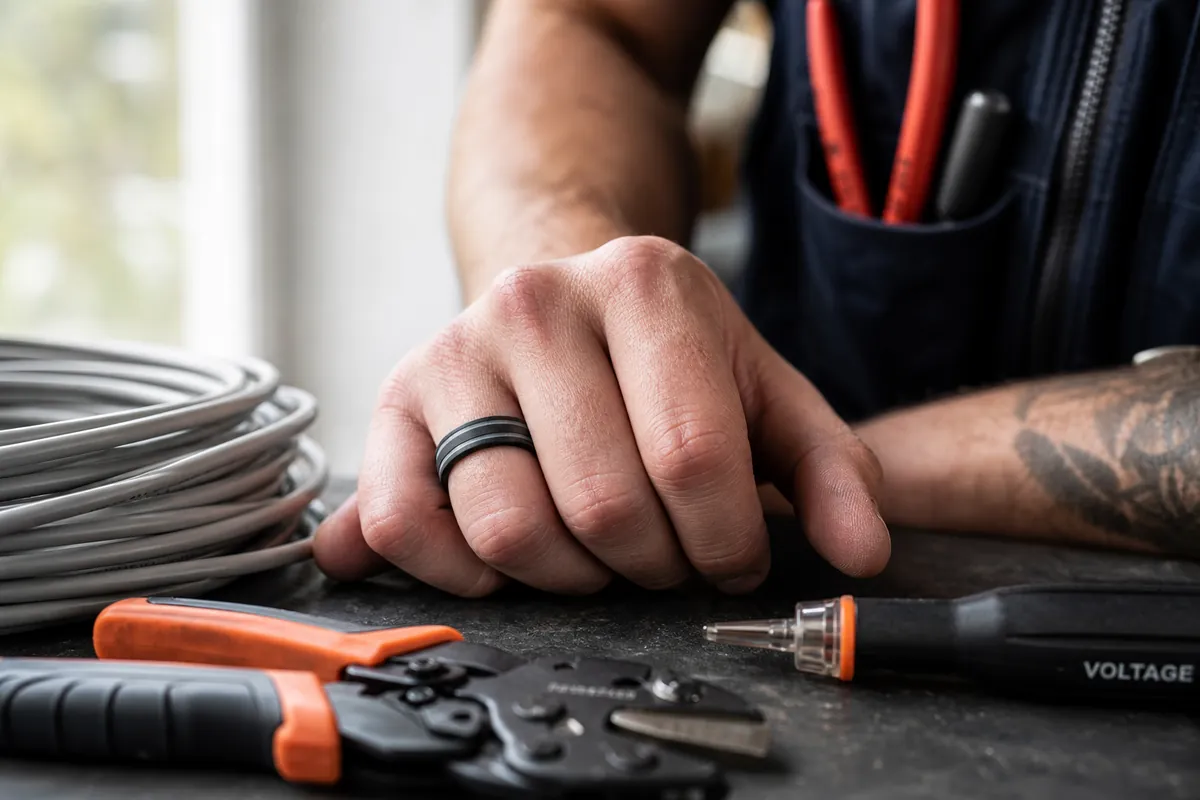
Silicone Wedding Bands for Women Who Lift and Run
New to silicone? Start with our Women’s Silicone Rings buying guide for sizing and widths, then use this page for the training-specific picks from the Silicone Wedding Rings range.
What Silicone Wedding Bands Actually Are
A silicone wedding band is exactly what it sounds like: a ring made from medical-grade or food-grade silicone rubber instead of gold, platinum or titanium. They’ve been around the CrossFit and gym scene for over a decade, but they’ve quietly become the default second ring for a huge number of women who train, run, garden, or work with their hands and don’t want to think about their metal band while they’re doing it.
The reason they matter for anyone who lifts or runs specifically comes down to physics. A traditional metal ring doesn’t give. If it catches on a barbell, a pull-up bar, a piece of playground equipment, or even a car door, the metal holds its shape and the pressure goes straight into your finger. Emergency departments see this often enough that it has its own name, degloving or ring avulsion injury, and it’s a genuinely serious hand trauma that can mean losing the finger entirely (Mayo Clinic covers the basics of finger injury first aid here). Silicone rings are designed to stretch and tear before that happens, which is the whole point.
If you’re new to the category, browsing the full range of silicone rings is a good starting point before you narrow down on colour or width. Most women end up with two or three, one for the gym, one for running, and one that’s dressy enough to wear out without looking like a piece of sports equipment.
Choosing the Right Band for You
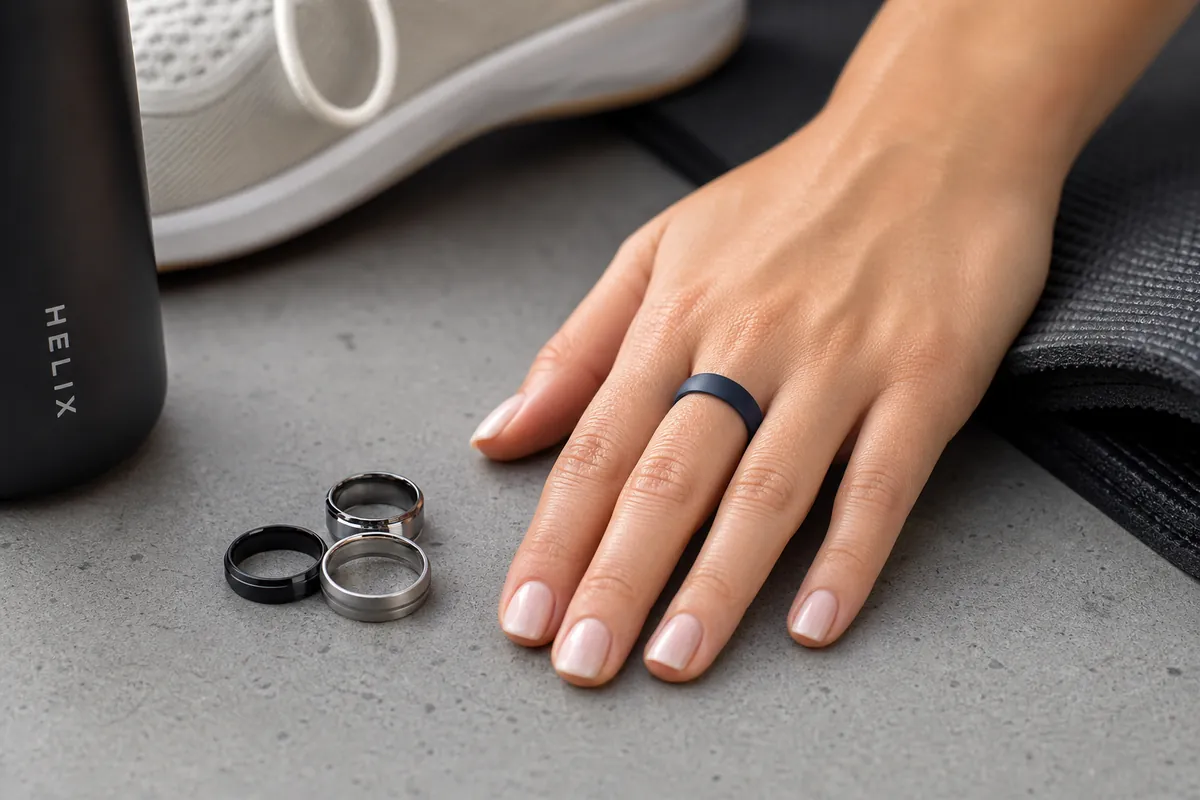
Sizing is where most first-time buyers get it wrong, and it’s worth slowing down on. Your finger size isn’t fixed. It changes with heat, with hydration, with how heavy your last lifting session was, and with the time of day. A lot of women who lift find their fingers swell noticeably during a heavy set, then shrink back down within the hour. Because silicone stretches, you want a band that’s snug at rest but not so tight it leaves a mark after ten minutes at your desk.
Width matters almost as much as size. A 6mm to 8mm band feels closer to a traditional wedding ring and suits everyday wear, while a slimmer 3mm to 4mm band is what a lot of runners prefer because it doesn’t rub against other fingers during a long stride cadence or when your hands swell on a hot run. If you’re someone who lifts heavy and grips a barbell often, a rounded profile without sharp edges will be far more comfortable under a hook grip or mixed grip than a flat-sided band.
Breathability is the other thing to check. Cheaper solid silicone bands trap sweat against the skin, and if you’re training five or six days a week that can mean irritation or a mild rash showing up within a few weeks. Bands with internal airflow channels or a breathable weave solve this, and they’re worth the extra few dollars if you sweat heavily or live somewhere humid.
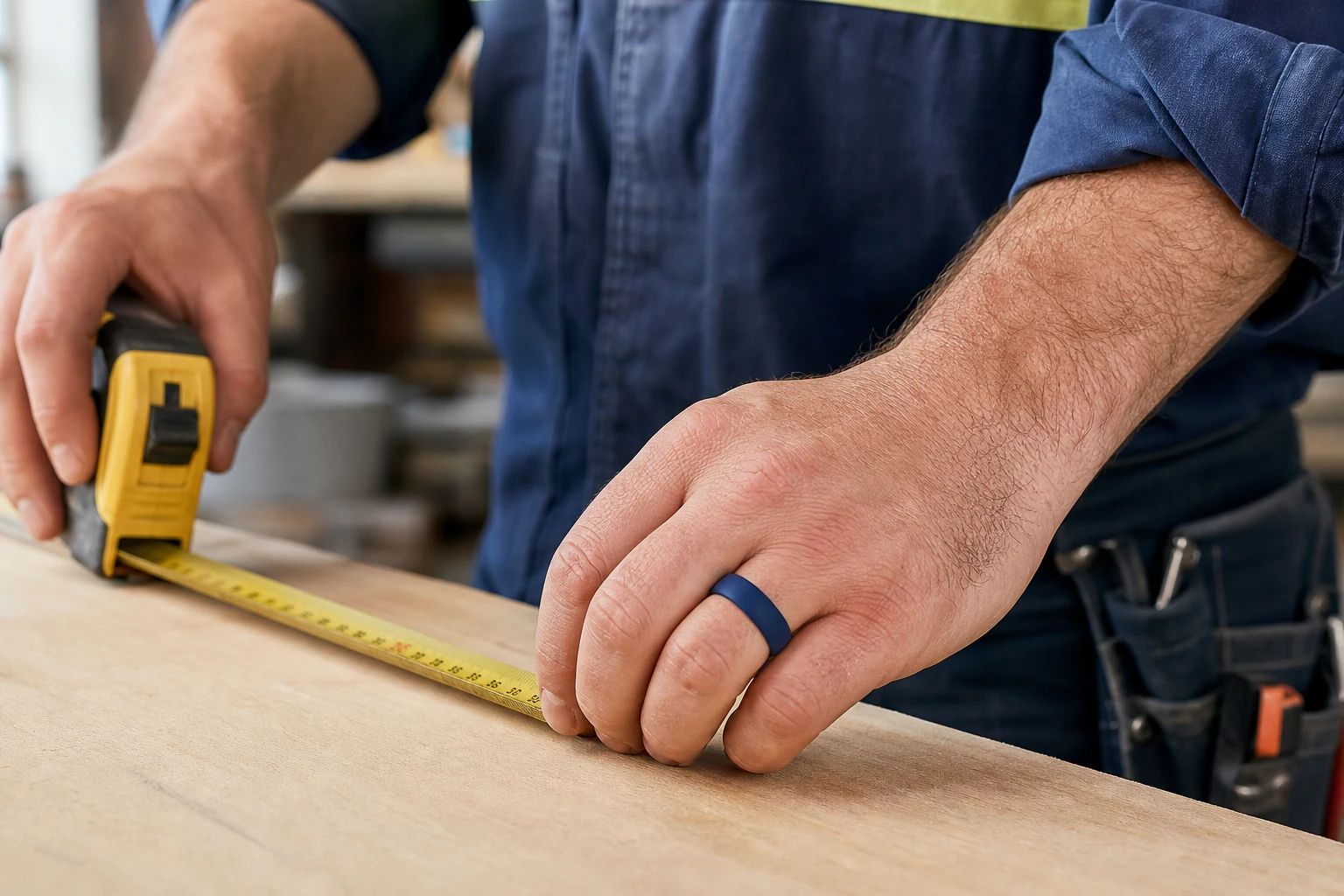
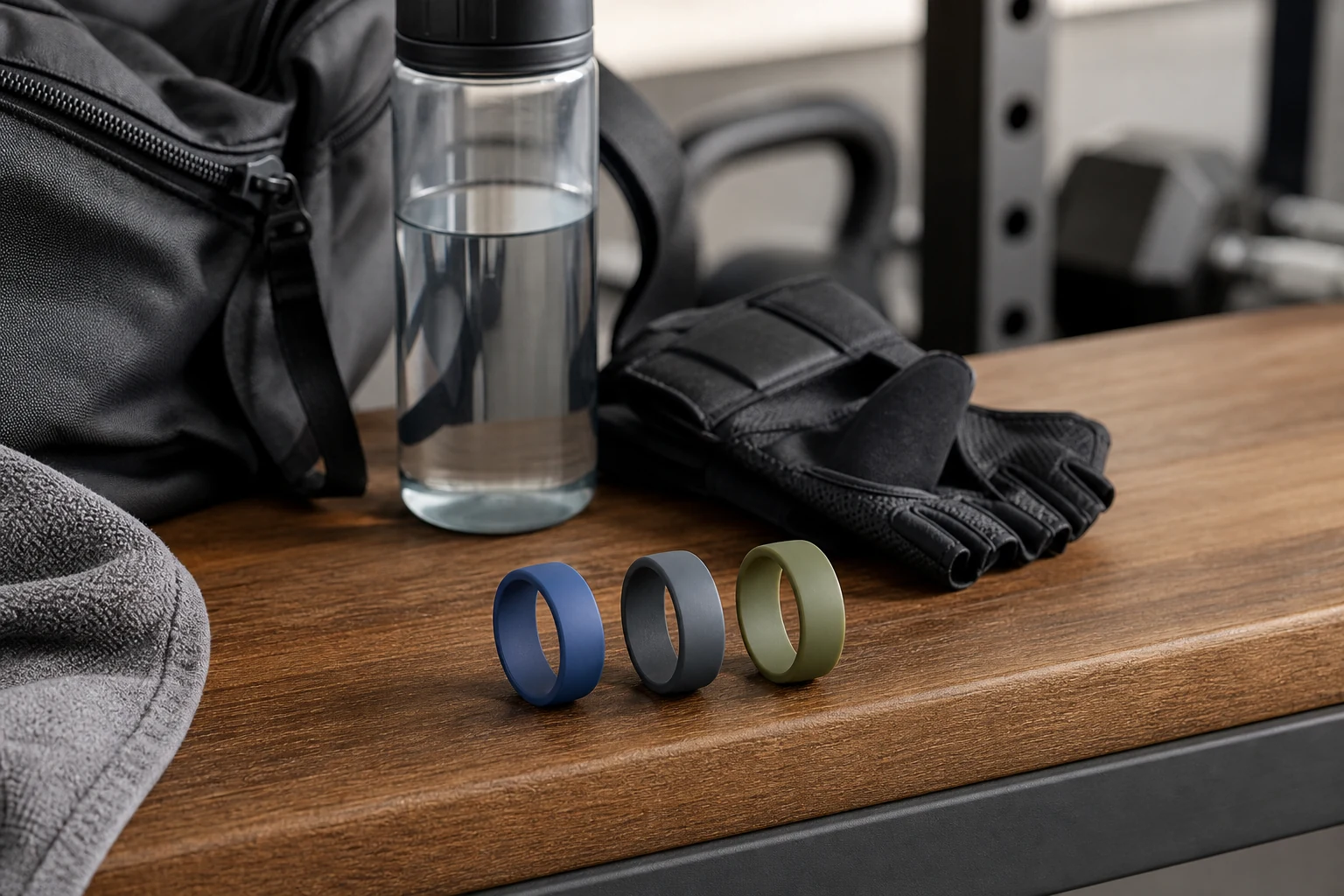
Colour is genuinely a personal call, but it’s not purely cosmetic. Darker bands like the black silicone rings hide chalk and gym grime better than pale colours, which is a real consideration if you’re training most days. Lighter and brighter tones like the blue silicone rings or the green silicone rings show marks faster but are easier to spot if you take it off before a swim or a shower and set it down somewhere.
Top Styles and Colours to Try
Once you’ve settled on size and width, style is where you get to have some fun with it. A few patterns come up again and again with women who train:
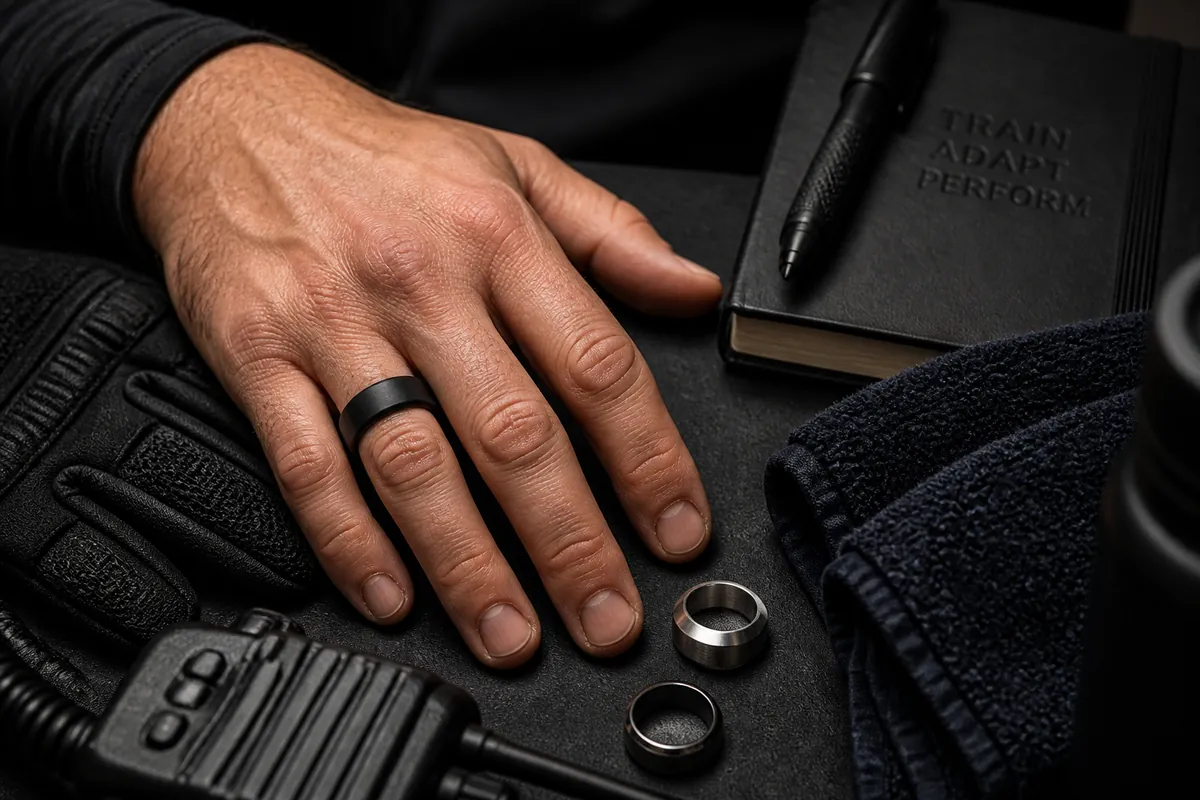
Solid classic bands in black, grey or a deep tone are the most versatile option and the easiest to pair with a metal engagement ring on the same hand without clashing. The grey silicone rings in particular read as understated enough to wear to work, not just the gym.
Metallic-finish bands have become a lot more popular over the last two or three years because they close the visual gap between silicone and an actual wedding ring. If you want something that looks closer to your metal band without wearing the metal band itself, the gold-tone silicone rings are the pick most people reach for, and they photograph well too, which matters if you’re posting race photos or gym PRs.
Two-tone and stacked sets let you mix a slim everyday band with a slightly wider training band, which is genuinely the most practical setup for someone who lifts one day and runs the next. Buying a ring pack instead of a single band works out cheaper per ring and means you’ve always got a spare when one wears out or gets misplaced in a gym bag.
Warm-toned bands in bronze and brown finishes are less common but suit anyone who wants something that doesn’t scream “sports ring” from across the room. Worth a look if the classic black or grey options feel too plain for your taste.
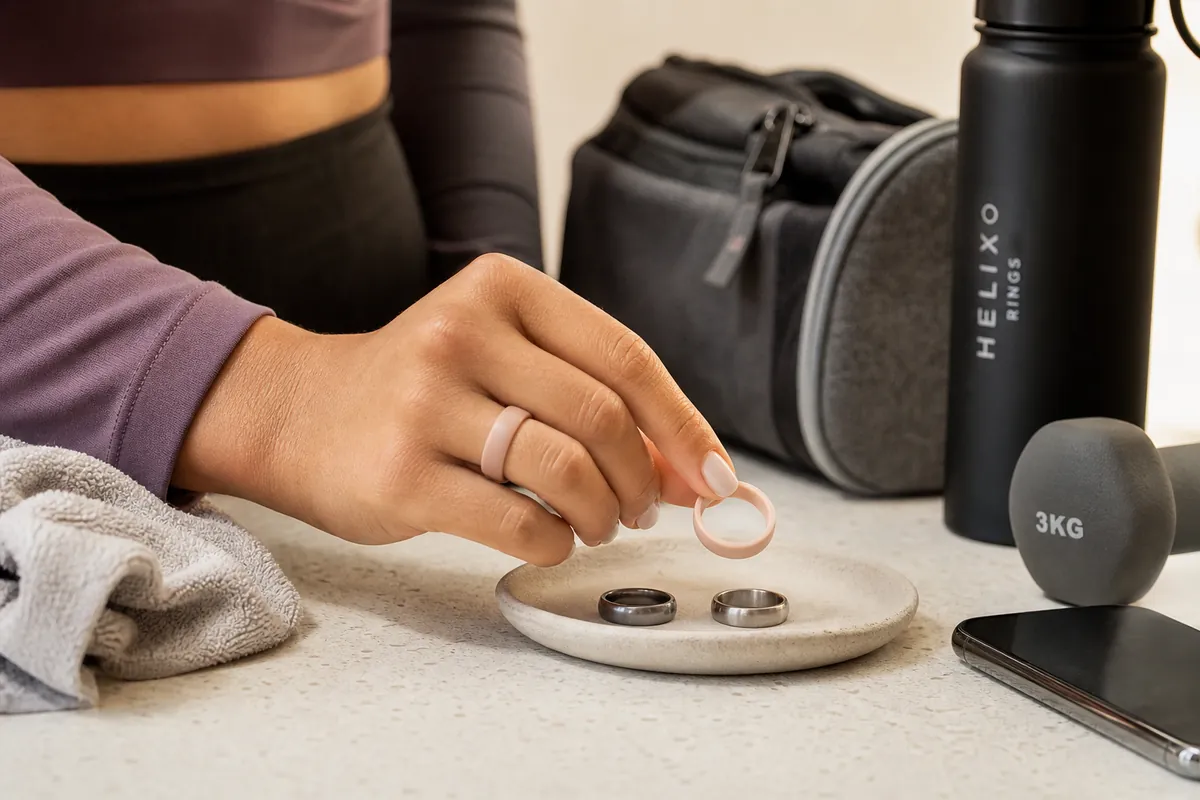
It’s also worth mentioning that a lot of households buy silicone bands as a pair rather than just for the female partner. If your other half trains too, it’s worth checking the men’s silicone rings range at the same time so you’re not placing two separate orders and paying shipping twice. And if either of you wants something with a bit more permanence for date nights or work, it’s worth glancing at the custom titanium rings as a non-silicone alternative for occasions where a rubber band feels a bit too casual.
What to Check Before You Buy
A handful of practical checks will save you from buying a ring you end up not wearing after the first month.
Material grade. Look specifically for medical-grade or food-grade silicone. It’s a small line item on a product page but it tells you the manufacturer isn’t cutting the silicone with fillers that can irritate skin or degrade faster under sweat and sunscreen.
Breakaway design. Some bands are built with a deliberate weak point so they give way under sudden force rather than staying intact and cutting off circulation if they catch on equipment. This is the single most important safety feature for anyone doing Olympic lifts, gymnastics work, or handling free weights regularly.
Get the size right up front. Because silicone rings can’t be resized the way metal ones can, it pays to measure properly before you order. Helix offers a free ring sizer, so use it rather than guessing based on your metal ring size, since silicone sits differently on the finger.
Odour and colour retention. Lower-quality silicone can start smelling faintly of rubber after a few sweaty sessions and can yellow or dull over months of sun exposure. Reading a handful of recent reviews on colour retention will tell you more than the marketing copy will.
Price versus lifespan. A well-made band should last twelve to eighteen months of regular gym use before it needs replacing. If you’re paying premium prices for something that splits within a few weeks, that’s a quality problem, not bad luck, and it’s worth going back to check the full ring range for a sturdier option rather than replacing like-for-like.
Tips from the Experts
Personal trainers and physiotherapists who deal with hand injuries tend to say the same few things, and they’re worth repeating because they don’t always match what a jewellery website will tell you. First, don’t wear any ring, silicone included, during heavy barbell work if you can avoid it. Even a breakaway band adds friction under a hook grip and can cause discomfort during high-rep sets. Slipping it off and clipping it to your gym bag or keeping it in a pocket is the safest habit, and it takes about three seconds.
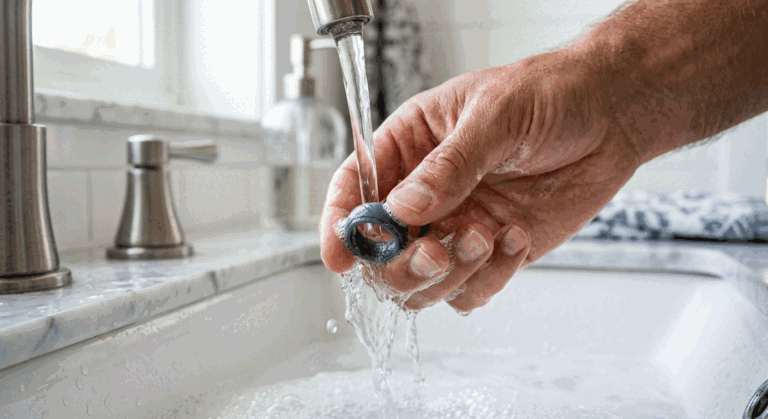
Second, rotate between two bands rather than wearing one constantly. Silicone needs time to air out and regain its shape after it’s been stretched and sweated in. Washing it in mild soap and water after each session and letting it dry fully extends its life noticeably compared to leaving it damp in a gym bag.
Third, if you’re a runner rather than a lifter, the injury risk profile is different but the comfort issue is real. Hands swell during long runs, particularly in heat, and a band that fit fine at the start of an hour can feel tight by the end. Bridal and lifestyle publications covering active wedding rings consistently recommend sizing slightly looser for anyone doing endurance training rather than strength work (Brides has a solid rundown on this), which lines up with what most physios say too.
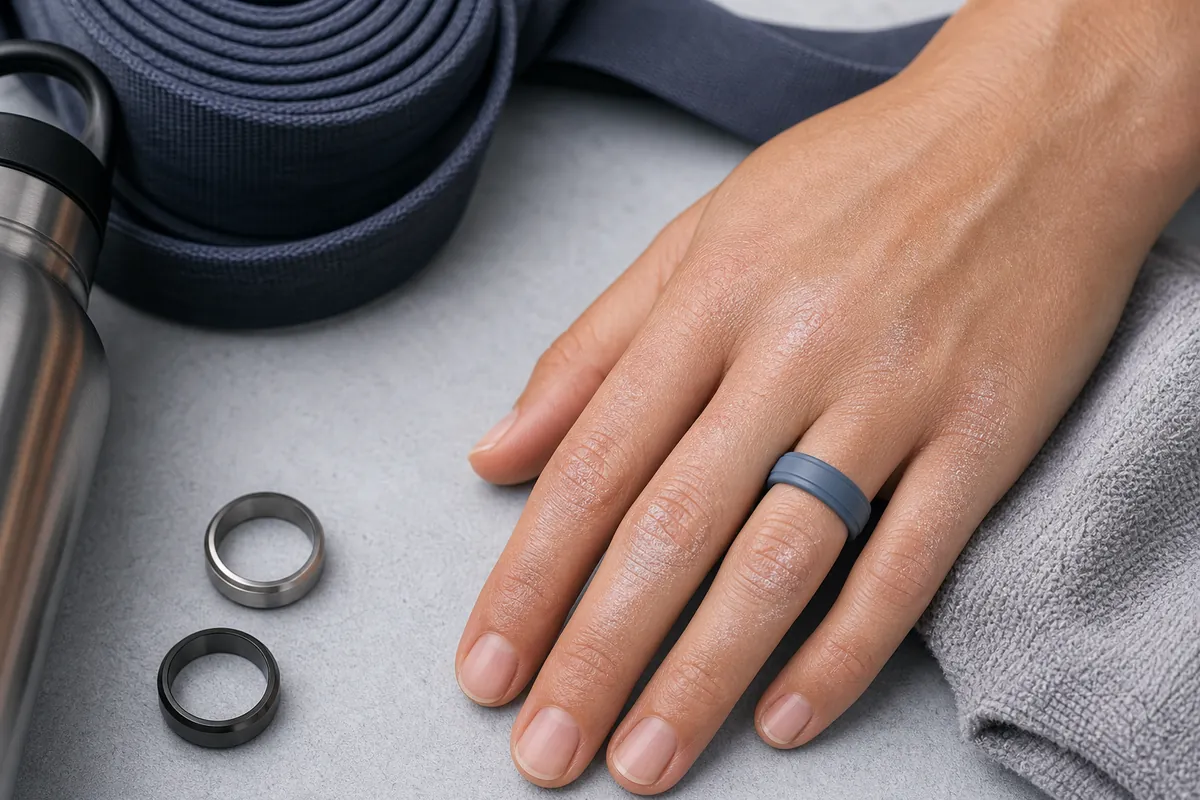
Finally, don’t treat your silicone band as a permanent replacement for your actual wedding ring, treat it as a rotation piece. Most couples keep the metal ring for daily life and swap to silicone specifically for training, travel, manual work or swimming. If you want to read more on how other couples handle the swap day to day, the Helix Rings blog has a few good pieces on building a rotation that actually works, and the About page covers how the brand thinks about fit and safety if you want the background before you order.
Frequently Asked Questions
What is the best women’s silicone wedding bands?
There isn’t one single best option, it depends on what you’re doing in it. For heavy lifting, a breakaway band with a rounded, seamless profile is the safest pick, while runners tend to prefer a slimmer, breathable band that won’t rub during long sessions. Most women who train regularly end up owning two or three bands in different widths rather than relying on just one.
How do I know which women’s silicone wedding band is right for me?
Start with how you’ll actually use it. If barbell work or gymnastics is your main activity, prioritise a breakaway design over a solid one, and if it’s mostly running or everyday wear, focus on a breathable, comfortable fit instead. Ordering the free Helix ring sizer before committing to a colour and style will save you a swap down the track, since silicone can’t be resized like metal.
What should I look for when buying a women’s silicone wedding band?
Check that it’s made from medical-grade or food-grade silicone, look for a breakaway safety feature if you lift, and check whether the band has any airflow design to reduce sweat build-up. Helix also offers a 60-day exchange on non-custom rings, so a sizing miss isn’t the end of the world — though measuring with the free ring sizer first is easier.
Are there budget-friendly women’s silicone wedding bands?
Yes, and buying a multi-ring pack is usually the most cost-effective way in, since you get a few colours or widths to test at once rather than buying single bands one at a time. Just be wary of very cheap bands that don’t specify the silicone grade, since these tend to smell, discolour or split within a few weeks of regular gym use.