Men’s Silicone Rings: A Practical Buying Guide
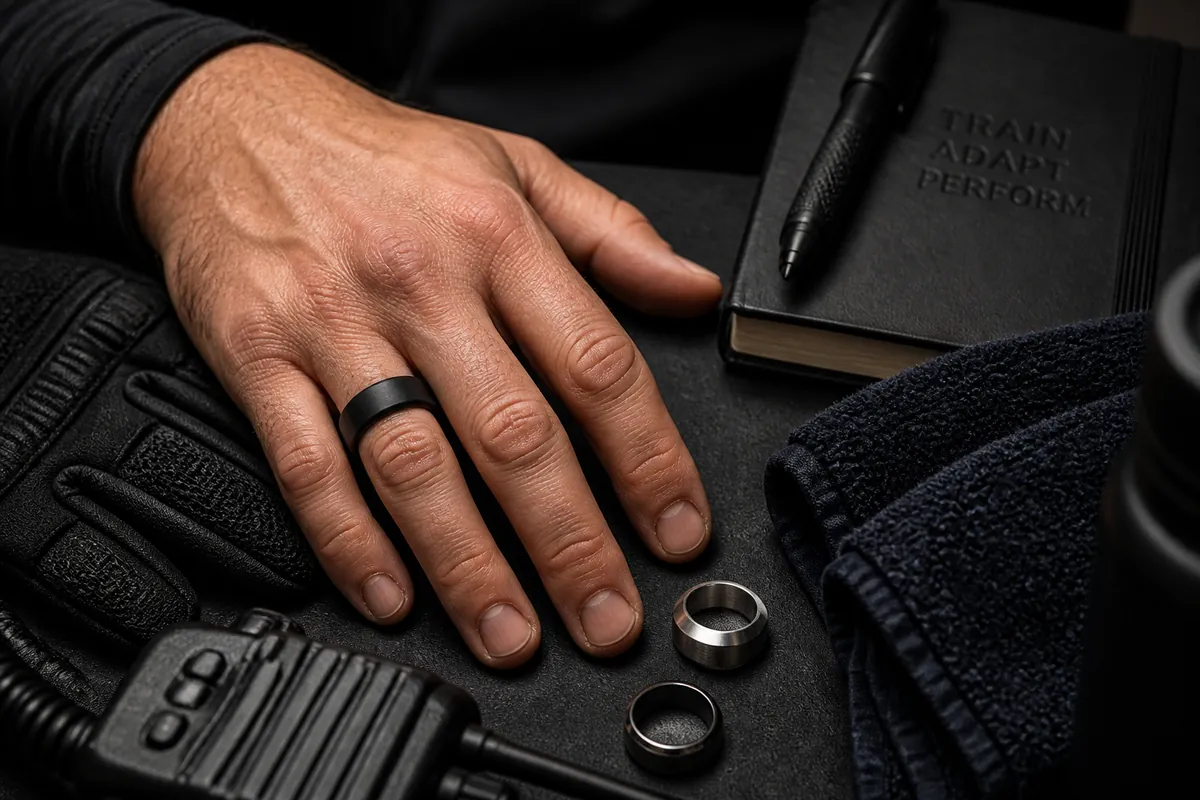
A men’s silicone wedding ring is a rubber-based band worn as a safer, cheaper stand-in for a metal ring during work or sport, or as a full-time wedding band for men who prioritise comfort and safety over precious metal. Search interest in silicone rings mens and silicone wedding rings men has climbed steadily as tradies, gym-goers and healthcare workers look for a band that will not get caught in machinery, weights or gloves. This guide covers what the rings are made of, which style suits which job or lifestyle, how to size one correctly, and the safety reasons so many men now wear one alongside — or instead of — a metal band.
What Are Silicone Rings for Men?
Silicone rings are moulded from medical-grade or food-grade silicone rubber, the same flexible polymer used in kitchenware and medical devices. Unlike gold, titanium or tungsten, silicone has no sharp edges when it breaks and will not conduct electricity, which is why it shows up so often in trade and safety guides. You can read more about the material itself on Wikipedia’s overview of silicone, including how the polymer’s flexibility and heat resistance make it different from rubber or plastic.
Helix’s men’s silicone rings collection stitches together the two things men ask for most: a band that looks like a real wedding ring from across the room, and one that will not injure a finger if it snags on a rung, a barbell or a piece of machinery.

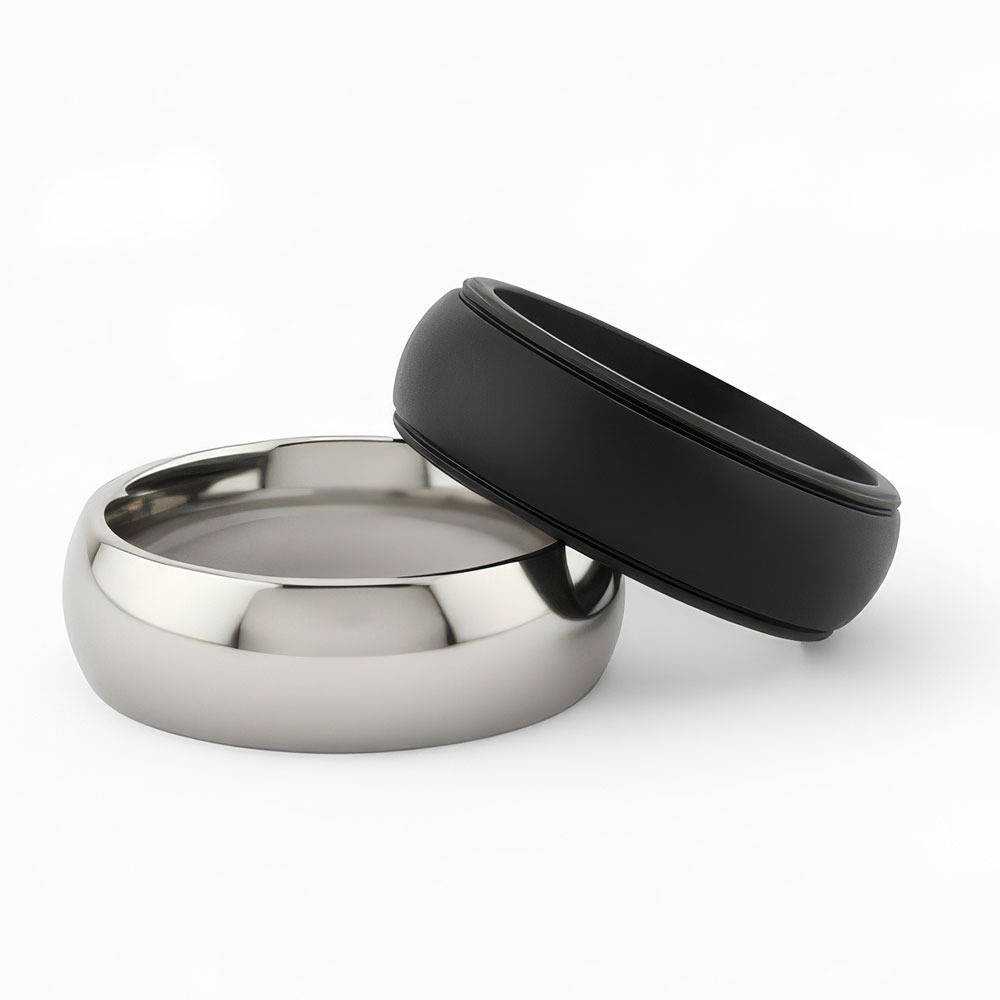
Most men’s silicone rings are made in one of two ways: a single-piece moulded band, or a segmented band held together with an internal core so it can flex further without splitting. The moulded style is cheaper and suits everyday wear, while the segmented style is closer to how a breakaway safety ring is engineered, since it is built to come apart cleanly under load rather than crush the finger inside it. Colour and finish also affect how a ring reads day to day — matte black and brushed grey read closest to a traditional metal band, while two-tone rings with a metallic edge give the look of titanium without the weight or the price.
Why Men Choose Silicone Over Metal
The single biggest driver is degloving risk — the injury that happens when a rigid ring catches on an object and the skin and soft tissue are torn from the finger as the hand keeps moving. It is rare but serious, and it is the reason electricians, mechanics, gym-goers and warehouse staff are told to remove metal rings on site. Wikipedia’s entry on degloving explains the mechanics of the injury, and Healthline’s guide to ring avulsion covers the same risk from a clinical angle, including why a band designed to break or stretch under load is safer than a rigid one.
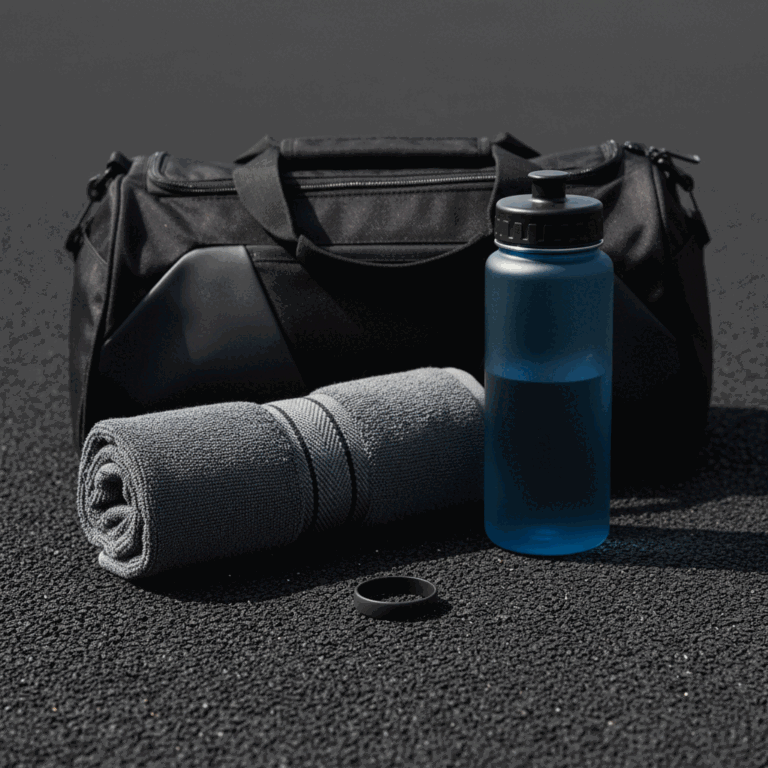
Cost is the second reason. A metal wedding band can run into the hundreds of dollars; a well-made silicone ring is usually under thirty. That makes it realistic to own two or three — one for daily wear, one for the gym bag, one in the ute — rather than babying a single expensive ring.
A third, quieter reason is that a lot of workplaces now write rigid jewellery out of the safety policy entirely rather than leaving it to individual judgement. Once a site rule exists, a silicone ring stops being a personal preference and becomes the easiest way to stay compliant without going bare-handed. Newer employees in particular tend to buy their first silicone ring in the same week they start a role that involves machinery, simply because it is the fastest way to tick that box without giving up wearing a ring at all.
Best Silicone Ring Styles for Men
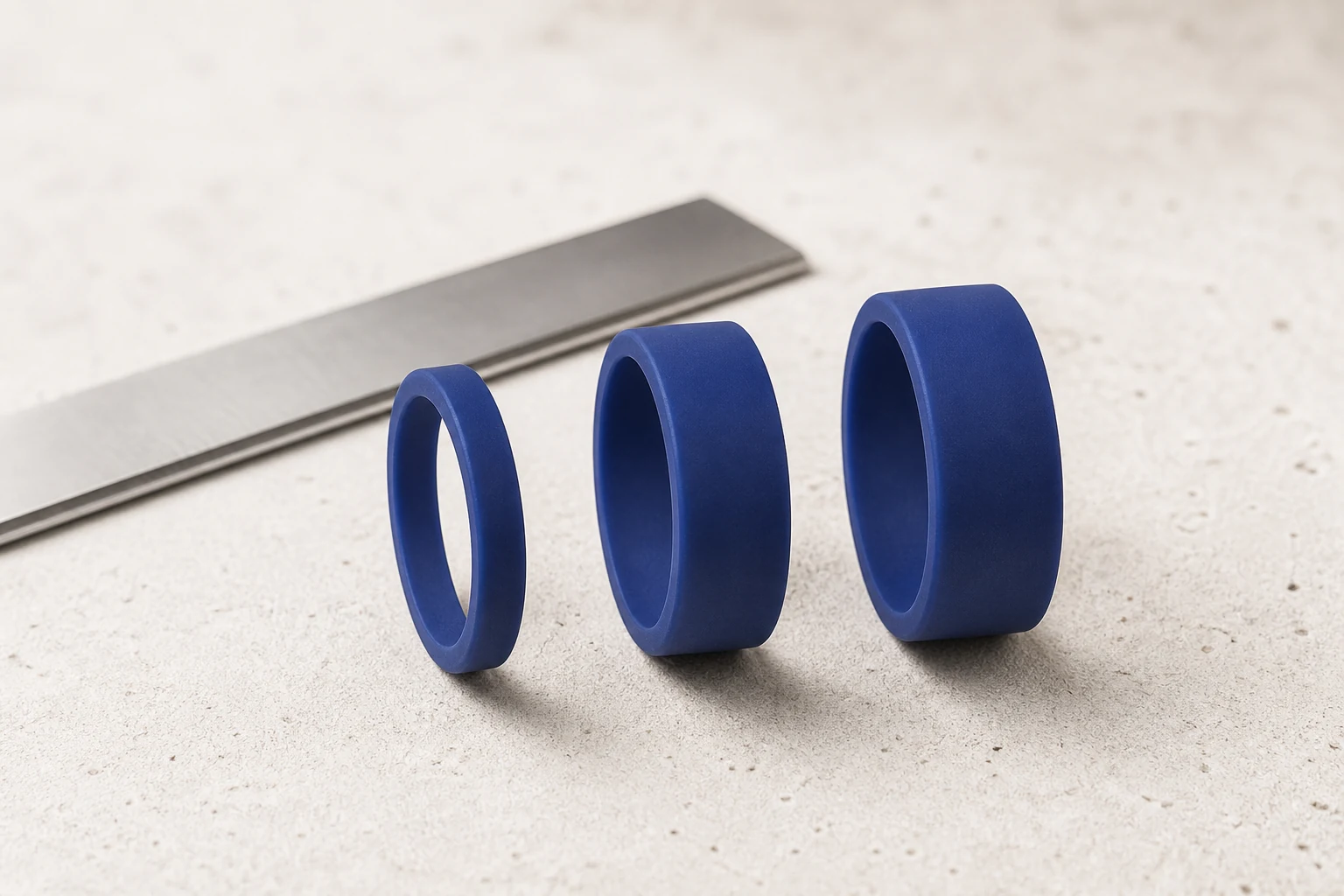
Most men’s silicone rings fall into a few broad shapes. Flat-profile bands look closest to a traditional wedding ring and suit an office or client-facing job. Grooved or channelled designs — often marketed as “breathable” — have small grooves running around the band so sweat and heat can escape, which matters for anyone training or working in a hot environment. Two-tone and metallic-finish silicone rings mimic brushed titanium or black zirconium and are popular with men who want the silicone’s safety without it reading as obviously rubber.
For men who still want a genuine metal ring for evenings and events, a hybrid approach works well: a proper titanium band from Helix’s titanium rings collection for occasions, and a silicone ring for anything active or hands-on.
Silicone Rings for Work, Gym and Sport
The activity a ring will see the most of should decide the style. Helix breaks its range down by context, and each of these pages is worth a look before buying:
- Silicone rings for the gym and strength training — built for barbell grip and repeated flexing under load.
- Silicone rings for tradies and electricians — non-conductive and safe around live circuits and machinery.
- Silicone rings for healthcare workers — glove-friendly and easy to sanitise between patients.
- Silicone rings for outdoor work and adventure — for hiking, fishing and anything spent outside a workshop.
Men who swap between a desk job and the weekend often keep two rings on hand: a slim flat band for the office and a thicker grooved band for the gym or trade site, swapping over as the day’s activity changes.
It is worth thinking about which of these activities happens most often in an average week, rather than buying for the occasional weekend hike. Someone who lifts weights four times a week and only camps twice a year gets more day-to-day value from a grooved gym-focused band than an outdoor-adventure profile, even if the adventure ring looks more rugged on the shelf. Matching the ring to the routine, not the exception, is the difference between a band that gets worn every day and one that ends up in a drawer.
How to Size a Men’s Silicone Ring
Silicone rings run slightly differently to metal because the material has some give, so a size that feels snug in the packet often settles into a comfortable fit within a day of wear. Measure an existing ring’s inner diameter, or use a printable sizer, and check it against Helix’s ring size chart and sizing guide before ordering. If a finger changes size across the day — common after lifting or in hot weather — size up rather than down, since a ring that is too tight is harder to remove quickly in an emergency than one that is a touch loose.
Silicone Ring Safety: What to Know
Silicone is not risk-free, but the failure mode is different and generally safer than metal. A quality silicone ring is designed to stretch or tear under enough force rather than holding firm and crushing or degloving the finger. Even so, a ring that is caught and cannot be freed quickly can still cause a fracture or soft-tissue injury if the hand is pulled hard enough — see Better Health Victoria’s overview of bone fractures for how these injuries are assessed and treated. The practical takeaway is the same one safety officers give for metal rings: remove any ring, silicone included, before operating heavy machinery, and choose a breakaway or notched design if your job involves moving equipment.
Caring for a Silicone Wedding Band
Silicone rings need almost no maintenance. Wash with warm soapy water, dry fully before storing to avoid odour, and keep them away from prolonged direct heat, which can cause premature softening. Most brands, Helix included, recommend replacing a silicone ring every 12 to 18 months of regular wear as the material gradually loses elasticity — worth checking against the benefits of silicone wedding bands page for a full rundown of what to expect over the ring’s life. Buying a multi-pack rather than a single ring is a common way to always have a fresh one in rotation.
A quick way to tell it is time for a new one: stretch the band gently between two fingers and look at the surface. Fine cracking, a dull or chalky texture, or a permanent stretched shape that does not spring back are all signs the silicone has started to break down and lose the flex that makes it safe. Rings kept in a hot car, a gym bag or direct sun degrade faster than ones stored somewhere cool and dry, so where a ring lives when it is not on your finger matters almost as much as how often it is worn.
FAQ
Are silicone rings safe for men to wear daily?
Yes, for most jobs and activities. Choose a breakaway or grooved design if your work involves machinery.
Do silicone rings cause finger injuries?
They are designed to reduce degloving risk, but any snagged ring can still injure a finger, so remove it around moving equipment.
What silicone ring width suits men?
8mm is the most common men’s width; 6mm suits a slimmer, low-profile look.
Can men wear silicone rings at the gym?
Yes, a grooved or breathable design is built for barbell grip and sweat.
How long do silicone wedding bands last?
Most brands recommend replacing one every 12 to 18 months of regular wear.
Are silicone rings good for tradies?
Yes, they are non-conductive and won’t catch on tools the way a metal ring can.
References & Sources
- Wikipedia — Silicone
- Wikipedia — Degloving
- Healthline — Ring Avulsion
- Better Health Channel — Bone Fractures
Ready to find your fit? Browse Helix’s full men’s silicone rings range, or check the Helix FAQ for shipping, sizing and warranty questions.